
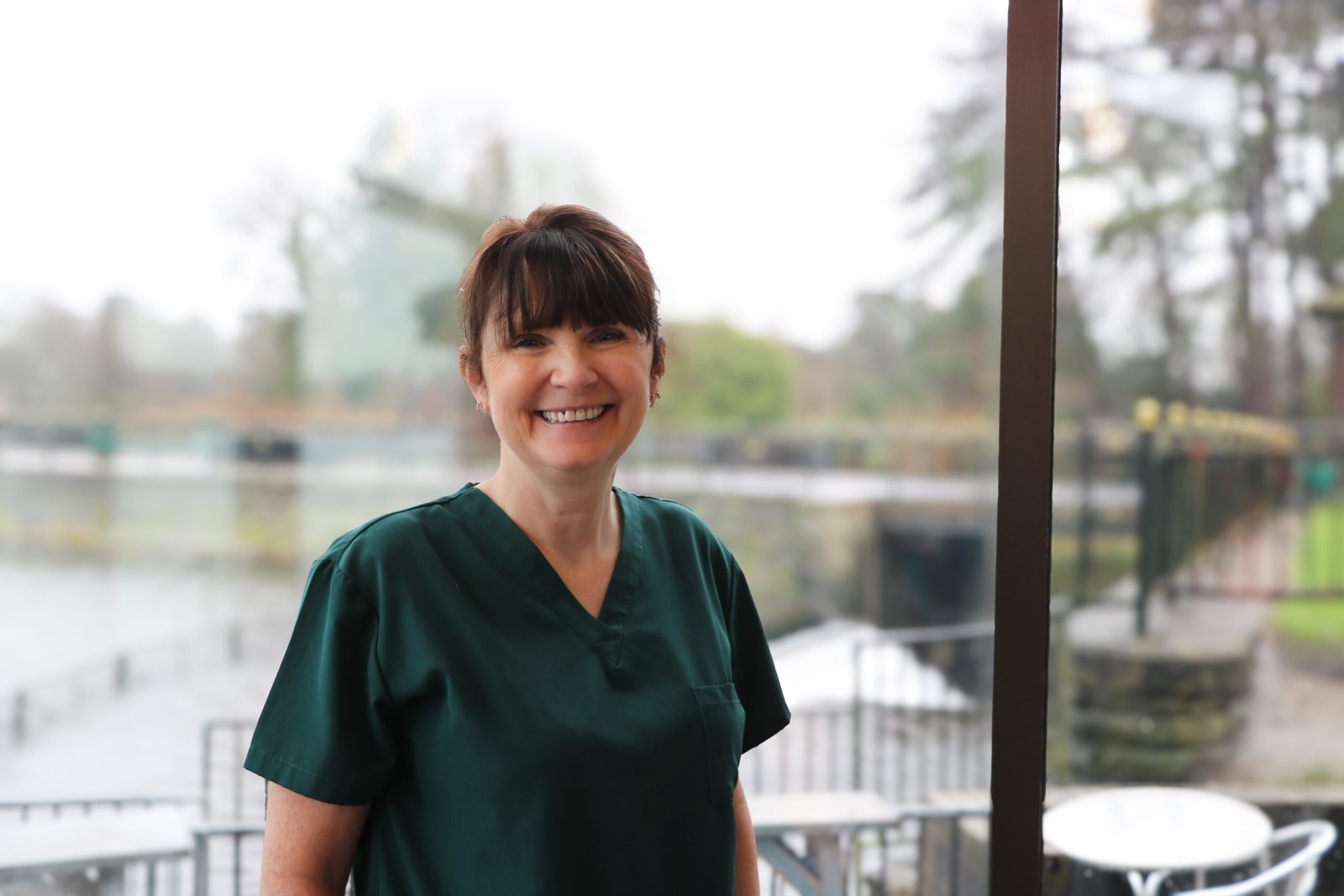



Tiffany, 54, has lived in Cardiff all her life and now calls Llanishen home. She works as a nursing assistant, supporting patients with routine health checks including blood tests, ECGs and diabetes care.
She started smoking at just 11 years old. Growing up in the 70s, she says, “it was the thing to do.” It felt social, grown-up, almost expected. Like many people, she never imagined it would become a lifelong habit.
But over time, things changed. By 14, smoking no longer felt social. It felt necessary. Cigarettes became tied to stress and everyday routines. “When I was stressed fag, coffee, fag.” Before she realised it, smoking was woven into her whole day. It wasn’t just something she did. It became part of daily life.
Understanding the Risks
As Tiffany grew older, smoking simply stayed with her. Through her twenties and into adulthood, it remained part of the background of her life – there in moments of stress, routine and habit.
Working in healthcare meant she understood what smoking can take from your health. She saw first hand the impact long term conditions can have. But like so many people, knowing the risks did not make quitting easy. She found herself caught in a powerful addiction. Over time, she began to feel a quiet tension between the care she gave others and the habit she was still trying to break herself.
Trying to Quit and Finding New Traps
In her early 40s, Tiffany began to feel that smoking was catching up with her. She noticed it in her breathing and energy, and she started to realise she could not ignore it forever. One moment stayed with her. “Climbing Pen Y Fan nearly finished me off. I honestly thought I was going to die.” She stopped for a couple of days afterwards, but like many people, it did not last.
Hoping for a way out, she swapped cigarettes for vaping, thinking it might help her quit. Instead, she developed what she describes as “a really bad chest, like awful,” and was later diagnosed with COPD, experiencing regular chest infections. After stopping vaping, she turned to nicotine replacement mints.
Then lockdown came. Like many people the disruption made old habits easier to slip back into. It started small. What began as “one or two with my neighbour” slowly became familiar again. Before she realised it, the routine had returned. “Before you know it I was back on it again.” “I knew it was making me bad. I wasn’t enjoying it. But I still kept doing it.”
The Moment Everything Changed
On Boxing Day last year, Tiffany became seriously unwell with norovirus, caught from her granddaughters. She now calls it “the best gift they could have given me.”
As she struggled to breathe, she could physically feel the impact smoking had had on her lungs.
“It felt like my lungs were trapped inside my ribs. Like everything had to squeeze through a thin hole. I could feel what smoking had done.”
That day, she smoked her last cigarette. “I puffed it, threw it away, and said enough was enough.” This time felt different.
“If I want to be here for 20 years at least, I need to stop now… right now.”
Quitting for Good, One Step at a Time
When cravings came back, Tiffany made a simple but powerful choice. “When the cravings came back I walked straight to the shop and bought Nicorette gum instead of cigarettes.”
Six weeks on, she is still smoke-free. This time, quitting has been about mindset as much as nicotine. She avoids triggers like alcohol and coffee, takes things step by step, and makes conscious decisions to protect her quit.
“I avoid my triggers now, alcohol, tea, coffee. I’ll have a cuppa and dunk three biscuits, and that’s enough.” Each day builds confidence.
Breathing Again and Getting Life Back
The benefits came quickly. “My breath used to come in two stages. Now I can breathe in and breathe out properly.”
Her sense of smell has returned. Food tastes better. The late-night urge for nicotine has gone. And financially, she says she has saved “a HELL of a lot of money.”
She knows there may always be moments that feel difficult. “I’ll always be a recovering nicotine addict. It was a big part of my life.”
But her motivation is clear. Tiffany has five sons and four granddaughters, and they are incredibly proud of her. “They’re going to grow up, get married, have children. I want to be here for that.”
At 54, she felt smoking was starting to take years from her life. Now, she feels like she is gaining that time back. Her message to others is simple:
“It’s never too late to quit. Smoking was taking years off me. Quitting is giving me time back.”
Help Me Quit
If you’re thinking about quitting, free NHS support is available through Help Me Quit Wales. You’re up to three times more likely to quit with support than going it alone.
Call 0800 085 2219
Text HMQ to 80818
Visit helpmequit.wales
Taking that first step could give you more time, more breath and more life with the people you love.