
The Diagnosis That Changed Everything: Darren’s Journey to Quitting Smoking

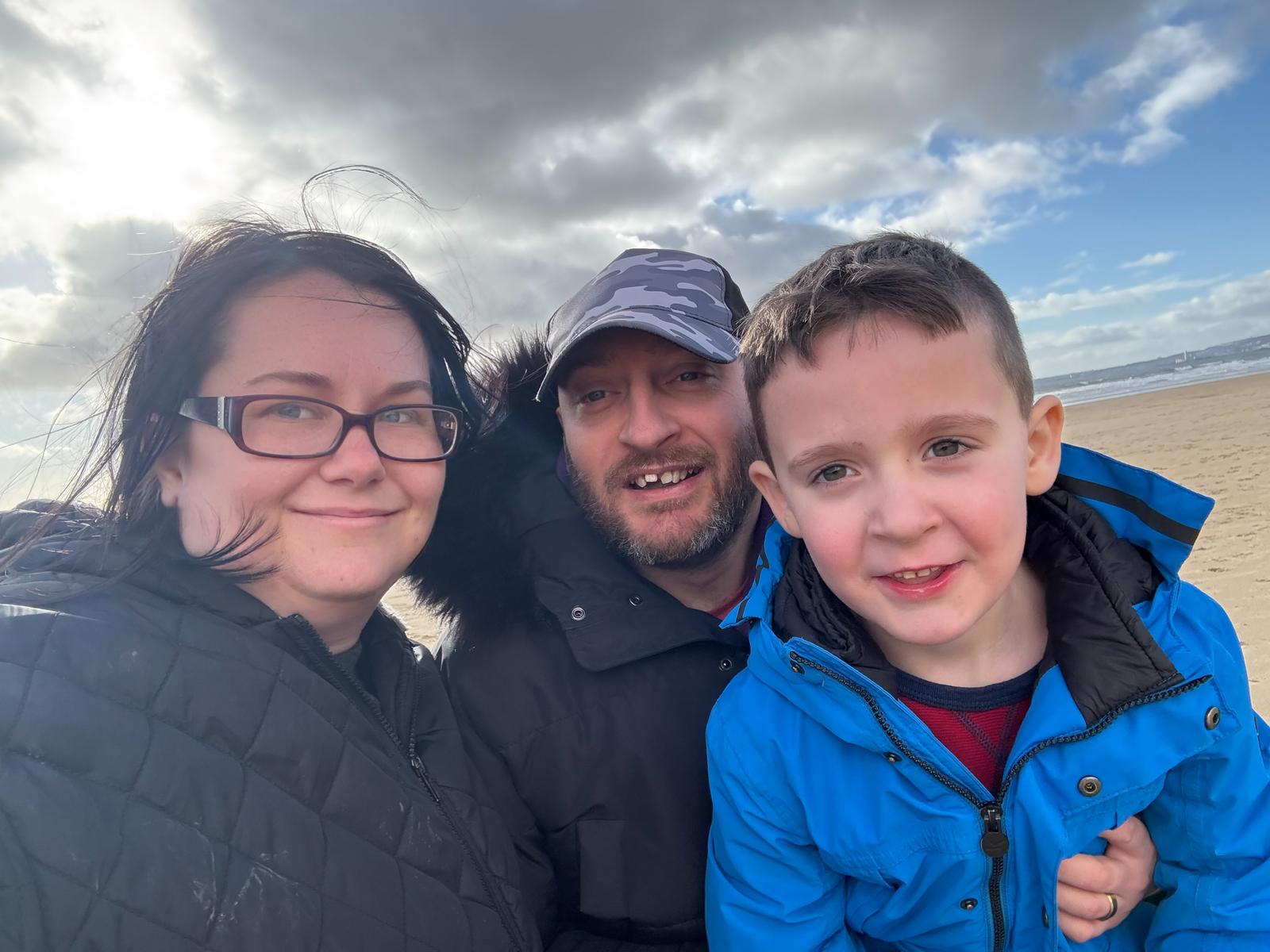
Darren Daniel from Carmarthenshire can still remember the first time he held a cigarette. He was 12 years old. At the time, it seemed harmless – just something people did. His parents smoked. His grandparents smoked. The smell of tobacco was familiar, woven into the background of his childhood.

“That first cigarette was more curiosity than anything else. I wanted to know what it was like, why the adults around me did it so often. I remember the way the smoke burned my throat, the way my head felt light and dizzy. It wasn’t pleasant, but it was something new, something that made me feel a little older, a little more in control. So I kept going.”

It started as an occasional cigarette here and there. But before he knew it, smoking had become a habit, then a routine, then a crutch. By his teens, it was ingrained into daily life. By his twenties, he couldn’t imagine life without it.

“For close to 25 years, smoking was a part of me. It was there in the good times and the bad, a companion through stress and boredom alike. I knew it wasn’t healthy – of course, I did. But I never thought much about quitting. It was always something I’d do ‘someday.’”

The Diagnosis That Changed Everything

He thought about all the times he had told himself he’d quit someday. Someday had arrived. His diagnosis made him realise that every minute counts.

“When I was diagnosed with kidney disease, the reality of what smoking had done to me hit hard. The doctors couldn’t say for certain that cigarettes had caused my nephrotic syndrome, but they told me it could have been a contributing factor. The damage was done, and there was no way to turn back time. That was the moment I knew I had to stop.”
Breaking a 25-Year Addiction

Quitting smoking isn’t just about nicotine. It’s about habit, identity, routine. For Darren, smoking was woven into the fabric of daily life. The first cigarette of the morning. The one during a moment of stress. It wasn’t just about quitting cigarettes; it was about relearning how to live without them.

“Quitting wasn’t easy. After two and a half decades, smoking had become second nature. The cravings, the habits, the routines – they all had to be broken, one by one. But I did it. And now, eight years later, I’m smoke-free.”

Darren knew quitting was the right decision. He felt healthier, stronger, more in control. But what years of smoking had done to his body wasn’t erased overnight.

“I feel healthier in so many ways, but that doesn’t mean I escaped the consequences. At 44, I developed asthma – another lingering reminder of what cigarettes took from me. The damage to my lungs was done, and I’ll live with that for the rest of my life. But despite everything, I don’t regret quitting for a second.”

“What I would Tell My 12-Year-Old Self”

If Darren could go back and talk to that 12-year-old boy, cigarette in hand, he knows exactly what he would say.

“That one cigarette turns into two, then into years. That it’s not just a habit – it’s a thief, slowly taking away pieces of your health before you even realise they’re gone. And that quitting, no matter how hard it is, is worth it.”

Life After Smoking

But Darren’s story doesn’t end with quitting smoking.

Since his diagnosis, he has turned his experience into something much bigger – raising awareness for chronic kidney disease (CKD) and inspiring thousands to take control of their health.

Darren, also known as TikTok Kidney Warrior, has built an enormous following across social media, using his platform to educate and support those affected by CKD. With over 110,000 TikTok followers, 63,000 Facebook followers and more than 150 million views, his videos break down the symptoms, prevention, and daily realities of living with kidney disease.
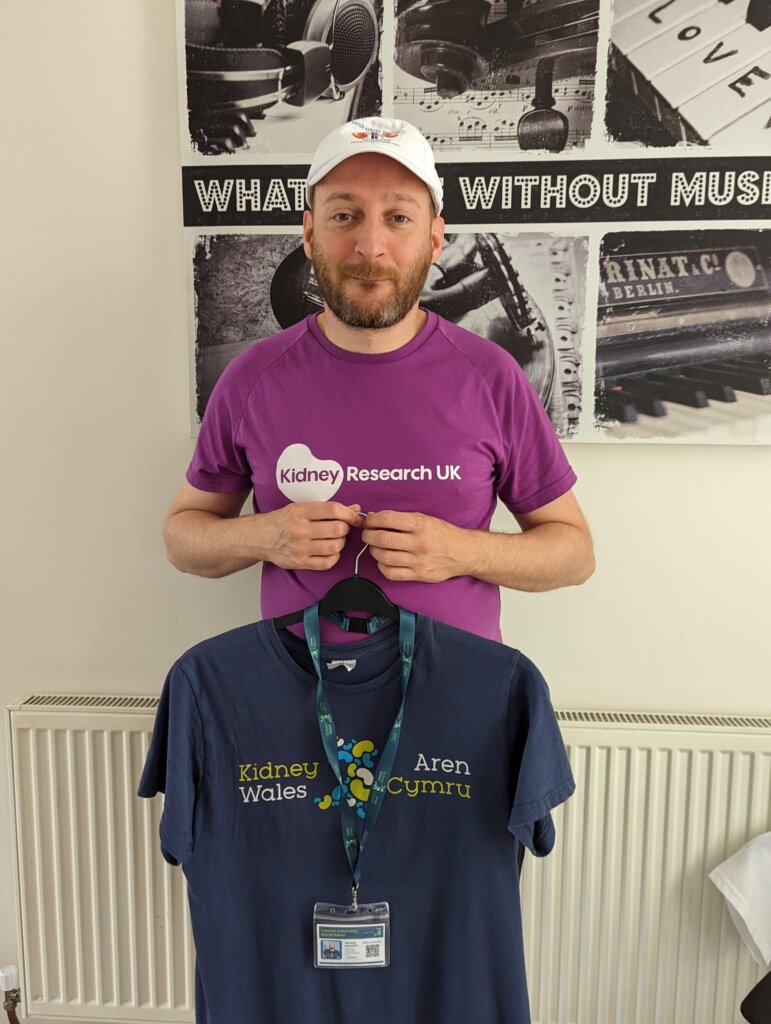
As an advocate for Kidney Research UK and Kidney Wales, Darren works to improve understanding of CKD, helping people recognise the early warning signs and pushing for greater awareness of this often-overlooked condition.

For years, smoking was part of his identity.

Now, he’s something greater.

A fighter. A survivor. An advocate. An inspiration.

And a reminder that no matter how long you’ve smoked, no matter how hard it feels – quitting is always possible.

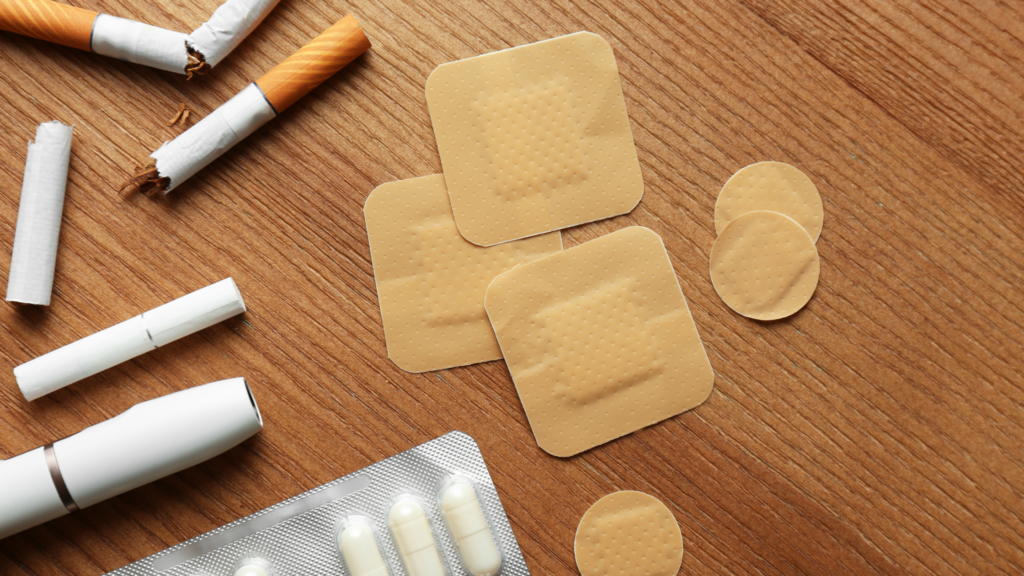
Are Nicotine Patches Safe? Here’s What You Need to Know

Quitting smoking is tough, but nicotine patches can make it easier. If you’re thinking about using them, you might be wondering are they safe? Can you use them if you’re pregnant? What about if you have a heart condition? And what happens if a non-smoker uses them?

The good news is that nicotine patches are a safe, proven way to help people quit smoking. They’ve been used for decades, backed by solid research, and recommended by health experts, including the NHS. If you’re trying to quit, they’re one of the best tools out there to help you succeed.

How Do Nicotine Patches Work?

Nicotine patches work by slowly releasing nicotine into your body through your skin. This helps take the edge off cravings and withdrawal symptoms without the thousands of harmful chemicals found in cigarettes. Unlike smoking, where nicotine levels spike quickly and then drop, patches provide a steady amount of nicotine throughout the day. This makes it easier to break the habit while still keeping cravings under control.

Nicotine Patches

Are Nicotine Patches Safe?

Yes, when used properly, nicotine patches are safe. They’ve been tested and approved by health experts, including the NHS and the National Institute for Health and Care Excellence (NICE), as an effective quit-smoking aid.

Most people use them with no issues. The most common side effect is mild skin irritation where the patch is placed, but this usually goes away after a few days. Some people get headaches or dizziness when they first start using patches, but these side effects are rare and tend to settle down quickly.

The important thing to remember is this: nicotine on its own isn’t what makes smoking dangerous. The real harm comes from the tar, carbon monoxide, and other toxic chemicals in cigarettes. Nicotine patches give your body what it’s craving but without all the damage smoking does to your lungs and heart.

Are Nicotine Patches Safe for Pregnancy?

If you’re pregnant, quitting smoking is one of the best things you can do for yourself and your baby. While stopping without nicotine replacement is ideal, withdrawal cravings can be intense, and stress isn’t good for you either.

Nicotine patches are much safer than smoking because they don’t expose your baby to the toxic chemicals in cigarettes. However, the NHS recommends using short-acting nicotine products (like gum or lozenges) first, as they allow you to control when you get nicotine. If you do use patches, taking them off at night can help reduce nicotine exposure when you don’t need it.

If you’re pregnant and struggling to quit, speak to a healthcare professional—they can guide you to the best, safest quit-smoking support for you.

Are Nicotine Patches Safe for Heart Patients?

If you have a heart condition, quitting smoking is one of the best ways to protect your health. Smoking puts a huge strain on your heart and increases your risk of heart attacks and strokes.

Nicotine patches can help you quit without the stress of going cold turkey. Studies show that nicotine replacement therapy (like patches) is far safer than continuing to smoke. However, if you have a serious heart condition, like if you’ve had a heart attack in the past two weeks or have an irregular heartbeat (arrhythmia), it’s important to check with a doctor before using any nicotine replacement therapy.

For most people with heart issues, nicotine patches are a much safer choice than smoking—but getting professional advice can help you find the best approach.

Are Nicotine Patches Safe for Non-Smokers?

Nicotine patches are only for people trying to quit smoking. If you don’t smoke, there’s no reason to use them. While they’re not dangerous in small doses, they can cause side effects like nausea, dizziness, and an increased heart rate in non-smokers.

Nicotine patches should always be kept out of reach of children and non-smokers to prevent accidental use. If a child or non-smoker puts on a nicotine patch by mistake, remove it immediately and seek medical advice if they feel unwell.

Should You Use Nicotine Patches to Quit Smoking?

If you’re serious about quitting smoking, nicotine patches are a safe and effective option. They help control cravings, reduce withdrawal symptoms, and give you the best chance of staying smoke-free for good. They work even better when combined with other support, like talking to a stop-smoking adviser or using additional quit tools like nicotine gum or lozenges.

You don’t have to quit alone. If you’re ready to take the next step towards a smoke-free life, visit Help Me Quit for expert support and advice. Quitting might not be easy, but with the right tools, it’s absolutely possible – and nicotine patches can be a big help along the way.

The True Cost of Smoking

Smoking isn’t just bad for your health—it’s a costly habit that can drain your finances without you even realising it. Have you ever stopped to calculate how much you spend on cigarettes each year? The results might shock you. But here’s the good news: quitting smoking can save you a small fortune. Imagine all the exciting possibilities if you redirect that money elsewhere!

How Much Could You Save?

What Could You Buy Instead?

Smoking just five cigarettes a day could cost you over £949 in a year. If you’re smoking a full pack a day, the savings are even more staggering. Here’s how much you could save by quitting smoking:

Five Cigarettes a Day

  • 1 Week: £23 – Enough for a takeaway treat.
  • 1 Month: £94 – Time for a new outfit or a nice evening out.
  • 1 Year: £949 – Why not book a luxurious city break in London or Paris?

Ten Cigarettes a Day

  • 1 Week: £46 – Treat yourself to a relaxing spa day.
  • 1 Month: £188 – Buy a gym membership and start a healthier lifestyle.
  • 1 Year: £1,825 – How about a family weekend at Disneyland Paris?

Twenty Cigarettes a Day

  • 1 Week: £92 – Celebrate with a family dinner or a night out.
  • 1 Month: £368 – Save for a new smartphone or household appliance.
  • 1 Year: £3,653 – Picture yourself on a dream holiday to Mexico or the USA!

Roll-Your-Own Tobacco: A Hidden Cost

Think rollies are a cheaper option? Over time, they’re still a significant financial burden. Quitting rollies can unlock opportunities for new adventures:

  • 5 Rollies a Day: Save enough for a 5-star hotel weekend in London, complete with tickets to a West End show.
  • 10 Rollies a Day: Take your family to Disneyland Paris, with flights, accommodation, and park passes included.
  • 20 Rollies a Day: Celebrate a smoke-free year with a skiing trip to the French Alps.

More Than Just Money

Quitting smoking doesn’t only boost your finances; it improves your overall wellbeing. Within weeks of quitting, your body begins to heal, and you’ll have more energy for the things you love.

Ready to Quit?

Support is just a call or click away. Help Me Quit offers free NHS support to help you stop smoking for good. Whether it’s one-to-one advice, group sessions, or tailored plans with Nicotine Replacement Therapy, you’re three times more likely to quit with professional help.

💻 Visit Help Me Quit
📞 0800 085 2219
📲 Text HMQ to 80818

Imagine Your Smokefree Future

What could you do with the money you save? Plan a holiday, treat your family, or invest in something special for yourself. The possibilities are endless. Your smoke-free journey starts now—save money, improve your health, and live life to the fullest.

How to Talk About Vaping: A Guide for Parents and Carers

The rise of youth vaping in Wales is a growing concern for families and communities. According to recent data from Public Health Wales and The School Health Research Network, nearly one in six Year 11 students (15.9%) regularly use vapes, and over 45% have tried vaping. These statistics highlight the urgent need for parents and carers to engage with young people about vaping in a supportive and informed way.

To help parents navigate these conversations, Public Health Wales has published a practical guide that includes tips for spotting signs of vaping and opening positive discussions with children.

Signs of Vaping: What Parents Should Know

Many signs of vaping can overlap with normal adolescent behaviours, such as mood swings or changes in habits. This can make it difficult for parents to identify whether vaping is an issue. However, some potential indicators to watch for include:

  • Unexplained sweet or fruity smells
  • Increased thirst
  • Persistent cough or respiratory issues
  • Items like unfamiliar chargers or small pods

Most vapes contain nicotine, a highly addictive substance that can lead to:

  • Nicotine dependence: causing cravings and withdrawal symptoms
  • Disrupted concentration: affecting learning and studying
  • Impact on mental health: withdrawal can lead to mood swings, sleep disturbances, and headaches

Tips for Talking to Your Child About Vaping

The guide emphasises the importance of keeping conversations open and calm. Mary-Ann McKibben, Consultant in Public Health for Public Health Wales, advises:

Here are some practical tips from the guide:

  • Stay informed: Understand the risks of vaping and its appeal to young people.
  • Ask open questions: Encourage your child to share their thoughts and experiences without fear of judgment.
  • Avoid confrontation: Approach the topic with empathy and a willingness to listen.
  • Provide support: Reassure your child that they don’t have to navigate the challenges of quitting alone.

Seeking Support

Parents and carers don’t have to face these challenges alone. There are resources available to help families address youth vaping:

  • Help Me Quit Wales: Call 0800 085 2219 for advice and support.
  • Educational resources: Schools can access evidence-based guidance from Public Health Wales on how to address vaping through policies, practices, and curriculum.

Why It Matters

The increase in vaping among young people is concerning due to the long-term health risks and potential for addiction. By staying informed and fostering open, supportive conversations, families can help young people make healthier choices and reduce the harm caused by vaping.

For more resources and guidance, visit Public Health Wales’ vaping resource page. Together, we can protect the health and wellbeing of young people in Wales.

National Campaign to Target Criminals Selling Vapes to Children

A scheme to stamp out the sale of illegal tobacco in Wales is being extended to target criminals who sell unregulated and unlawful vapes to children. The national “No Ifs No Butts” campaign is being expanded to encourage people to anonymously report the illegal or underage sale of vapes.

It’s official launch is being held during an event at the Senedd today. ASH Wales’ Youth Vaping Survey 2024 showed that among secondary school children in Wales who say they vape, more than half of them reported using vapes of more than 600 puffs – making them highly likely to be illegal, unregulated and potentially dangerous.

Suzanne Cass, Chief Executive of ASH Wales Cymru said: “Our field work across the country demonstrates very clearly that children are being targeted by criminals who are selling these highly addictive products. These criminals don’t care whether the products are regulated and legitimate, or how old the children are. All they want is to make a profit.

“This anonymous online portal is for parents, carers, teachers and young people themselves to report where and when they’re being offered illegal vapes. With the help of communities across Wales, we can make a difference and protect our children.”

All anonymous reports to the website are sent to Trading Standards departments across the country to be investigated. Reports can result in a range of enforcement actions, including orders to shut down shops. A dedicated advertising campaign promoting the new drive and supported by Betsi Cadwaladr University Health Board, will be launched across north Wales in the coming weeks.

In partnership with Welsh Government and Trading Standards, the No Ifs No Butts campaign was originally designed to stop criminals offering children illegal tobacco in Wales. It has proved hugely successful, with 800 reports in the last two years – on average, more than one every day. According to research from ASH Wales, illegal tobacco makes up 10% of the entire tobacco market, funds criminality in the community and makes it easy for children start smoking.

The most recent NEMS survey, which is the largest of its kind in the UK, showed children in Wales were most likely to be offered illegal tobacco by friends or family (39%), in educational settings (17%) and in shops (11%).

The study also indicated that children who had bought illegal tobacco were highly likely to buy it every time they were offered it (89%).

Suzanne Cass added: “With the second reading of the Tobacco & Vapes Bill due in the UK Parliament next week, we must keep our focus on where the tobacco industry goes next. They already have a brand new Menu of Addiction on offer to entice the next generation of nicotine addicts. ASH Wales is working to raise awareness and mitigate the impact of these products, particularly among our most vulnerable.”

ENDS

About ASH Wales 

ASH Wales is the leading organisation dedicated to achieving a smoke-free Wales by 2030. Established in 1976, we work to reduce the prevalence of smoking and its associated health, social, and economic impacts. Through robust tobacco control policies, dynamic campaigns, and community engagement, we strive to protect future generations from the harms of tobacco. Our initiatives include advocating for strong public health measures, supporting smoking cessation efforts, and collaborating with partners across Wales to create a healthier, smoke-free nation. 

Website www.ash.wales 

Facebook www.facebook.com/ASHCymru  

Twitter www.twitter.com/ASHWalesCymru 

Quitting Smoking: Your Timeline to a Healthier You

Quitting smoking is one of the most life-changing decisions you’ll ever make, and the benefits begin almost immediately. While the journey to becoming smoke-free can be challenging, every milestone marks a step closer to better health, improved finances, and a brighter future. Here’s what happens to your body as it heals from the damage caused by smoking.

20 Minutes After Your Last Cigarette

The human body is incredible—just 20 minutes after your last puff, it begins to recover. Your heart rate and blood pressure, elevated by nicotine, return to normal.

8 Hours

This is one of the first major tests. Nicotine starts to leave your bloodstream, and cravings can hit hard. It’s completely normal to feel the pull to smoke again—but resist! Each hour you stay smokefree is a victory.

1 Day

Anxiety peaks around this time, but here’s the truth: the stress you feel isn’t from quitting—it’s withdrawal. Research shows non-smokers actually feel less stressed than smokers in the long run. Stick with it, and you’ll start to feel calmer over time.

2 to 3 Days

By now, if you’re going cold turkey, there’s no nicotine left in your body. For those using Nicotine Replacement Therapy (NRT)—like gum, patches, or vapes—you’re easing off nicotine gradually, which can help manage withdrawal symptoms.

The bonus? Your senses of taste and smell begin to recover, and food will taste better than ever!

1 Week

Congratulations! You’ve made it through one of the hardest parts of quitting. Your body no longer physically craves tobacco, though you may still think about smoking. This is the time for mental strength—it’s mind over matter now.

2 Weeks

Your blood circulation is improving, especially to your gums and teeth. Damaged tissue begins to heal, and your mouth feels fresher and healthier.

1 Month

You’ll notice visible changes—your hair and skin look healthier, and your body feels more vibrant. Withdrawals like anxiety, anger, or mild depression should start to fade. If they persist, speak to your GP for advice.

Did you know? Smokers who reach 4 weeks smoke-free are five times more likely to quit for good.

2 Months

Your heart health is already improving, and your risk of a heart attack begins to drop. Breathing becomes easier as your lung function increases—you might even notice climbing stairs isn’t as challenging anymore.

3 Months

Walking longer distances and general exercise feels much easier now. You’re no longer held back by shortness of breath.

6 Months

Your lungs are healing! Tiny air sacs called cilia are regrowing, helping to clear out toxins and improve your overall lung function. Fatigue and breathlessness become a thing of the past.

1 Year

A major milestone! After a year of quitting, your risk of a heart attack, heart disease, or stroke is halved compared to a smoker.

5 Years

Long-term smokers have an increased risk of developing diabetes. By staying smoke-free for five years, your risk drops to that of a non-smoker.

5–10 Years

The risk of having a stroke falls dramatically. Smoking makes blood sticky and harder to pump around the body, which raises the likelihood of a stroke. After 5–10 years, your risk is the same as a non-smoker’s.

10 Years

Lung cancer is the biggest risk for smokers, but within 10 years of quitting, your risk of dying from lung cancer is cut in half. The risk of other cancers, such as mouth, throat, and pancreatic cancer, also drops significantly.

What’s Your Smoke-Free Number?

Every day, week, month, and year you stay smoke-free is a milestone worth celebrating. Share your progress with loved ones or on social media—you never know who you might inspire to take the first step toward quitting.

Need support?
Help Me Quit offers free NHS advice and support tailored to your needs. You’re never alone in your journey.

💻 Visit Help Me Quit
📞 Call: 0800 085 2219
📲 Text: HMQ to 80818

Your smoke-free future starts today—one step, one hour, and one day at a time.