ASH Wales Welcomes ‘Landmark’ Ban on Displays of Tobacco

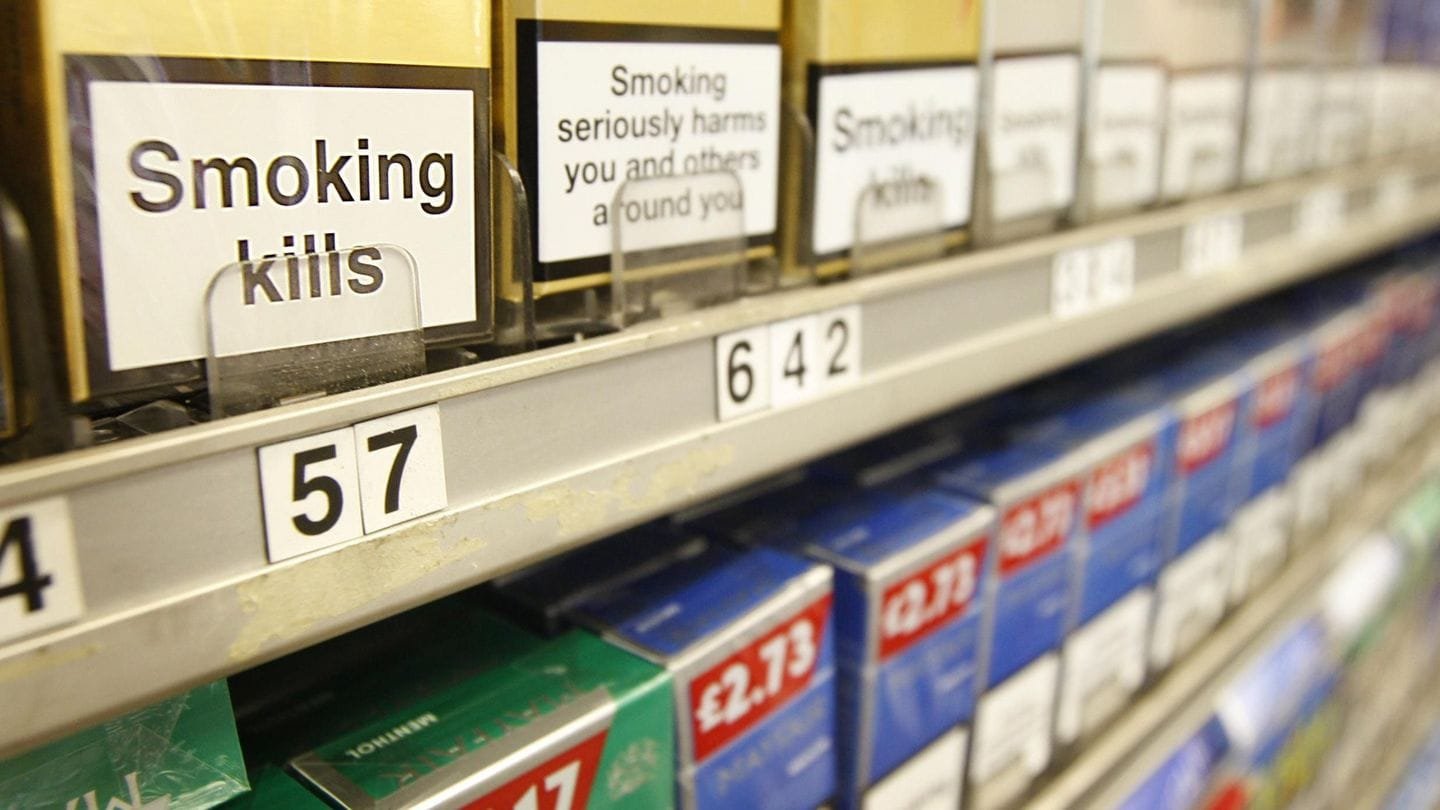
Public health charity Action on Smoking and Health in Wales has welcomed the new law that comes into force today banning the display of tobacco in supermarkets and other large shops in Wales.

From Monday December 3rd large retailers will no longer be allowed to have cigarettes and other tobacco products on display. Tobacco price lists will also have no branding or logos.

The law will extend to smaller shops, including specialist tobacconists, in April 2015.

Displays of cigarettes at the point of sale has been one of the ways in which tobacco companies have been able to advertise their products.

Chief Executive Elen de Lacy said:

“Today represents a significant step forward in making tobacco less accessible, and less visible, for children and young people. De-normalising tobacco in everyday settings is vital if we are to have any chance of reducing the take-up of smoking among our young people.

“Point of sale displays have been a highly influential advertising space that has a major effect on young people’s awareness of tobacco products and can also result in impulse purchasing among young people and ex-smokers.

“Research after point of sale displays had been banned in Ireland showed that compliance was high among retailers, young people became less confident that they would be able to buy cigarettes from shops, and were less able to recall brands, with a drop from 80% to 22% after it was implemented.”

In England, point of sale displays were banned in large shops in April 2012 and will also be banned from smaller shops from April 2015. Scotland and Northern Ireland are also pursuing a point of sale ban.

Notes

The Health Act 2009 gave the devolved Governments the power to introduce regulations to prohibit marketing and advertising of tobacco products at the point of sale. Since the ban on tobacco advertising in 2003, and the forthcoming ban on tobacco vending machines (including machines displaying any tobacco advertising), the point of sale is one of the few ways in which tobacco companies can advertise and tobacco companies have used their current right to increase the size and scale of tobacco displays within shops.

A systematic review found that point of sale displays increased susceptibility to smoking and uptake of smoking among young people(1), and they can also facilitate a relapse among ex-smokers and those attempting to quit(2).

Large-scale longitudinal research between 1999 and 2006(3), on behalf of Cancer Research UK, found that by 2006, the point of sale was the way in which young people were made most aware of tobacco brands, with 46% of young people aware of tobacco marketing at the point of sale.

Around 14,000 young people aged 11-15 take up smoking each year in Wales (Welsh Government 2011)

(1) Paynter, J. And Edwards, R. (2009) ‘The impact of tobacco promotion at the point of sale: A systematic review.’ Ni Tob Res: 11: 25-35.

(2) Wakefield, M. (2007) ‘The effect of retail cigarette pack displays on impulse purchase.’ Addiction: November 2007.

(3) Hastings, G. Et al. (2008). Point of Sale Display of Tobacco Products. Centre for Tobacco Control Research: University of Stirling and the Open University.

ASH Wales Calls for No Exemption to Smoking Ban in Wales

Any exemptions to the smoking ban in Wales will destroy Wales’ credibility on public health and destabilise smoking legislation across the UK.

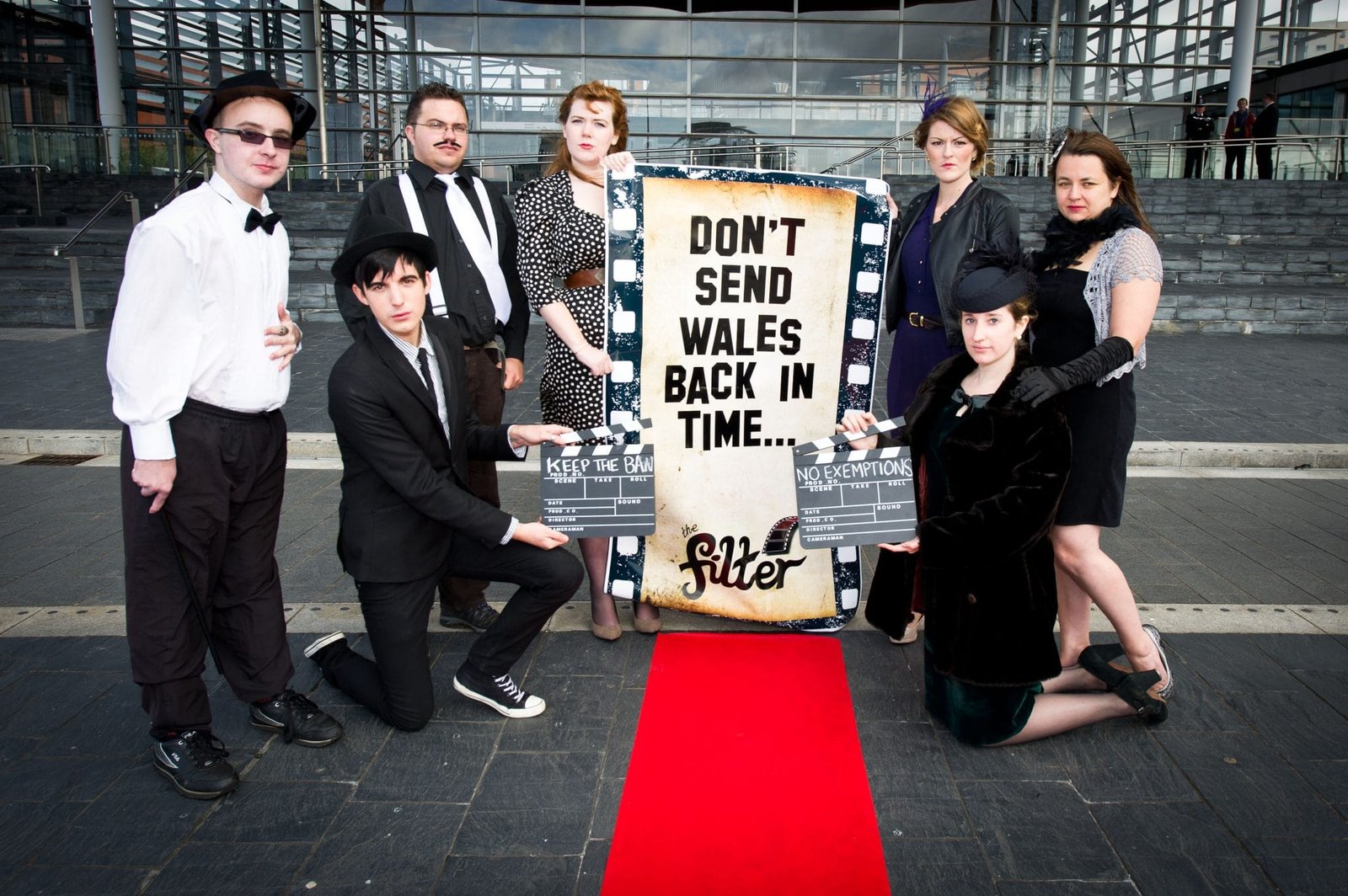
On October 16th 2012, AMs will be asked to water down Wales’ flagship public health legislation to exempt film and TV, following commercial pressure from the creative industries.

In England an exemption for filming was built in to its original legislation. But smoking is not allowed on production sets or film studios in Wales, Scotland and Northern Ireland as part legislation to protect all workers from the harmful effects of second hand smoke.

ASH Wales has warned the Welsh Government that if it joins England in creating an exemption it risks creating a domino effect in Scotland and Northern Ireland and will open the floodgates to further challenges to Wales’s smoking legislation if more industries put forward an ‘economic’ argument.

Chief Executive of ASH Wales, Elen de Lacy, said:

“The smoke-free premises legislation is one of the most successful public health measures introduced in Wales and has been widely supported by the public with 80% of Welsh adults in favour.

“Wales can be proud that we were the first UK nation to call for a ban on smoking in enclosed public places but this move will tell the world that our values are up for sale when the going gets tough.

“Smoking kills nearly 6,000 people a year in Wales and the law was passed to protect the health of all workers in Wales. Film crew and production staff should not be exempt from this protection and exposed to second hand smoke because of industry pressure.

“This exemption completely undermines the Welsh Government’s commitment to reducing smoking prevalence rates to 16% by 2020 and also sends out completely the wrong signal to children and young people who as we know are heavily influenced by what they see on film and television.”

“Any amendment to the legislation is a backward step for Wales and an exemption not only risks creating a domino effect across the UK with Scotland and Northern Ireland likely to follow but will give the green light for other industries to challenge the legislation in the future if there is commercial pressure.”

The exemption was opposed by 75% of those who responded to the Welsh Government consultation on the issue in early 2012.

It is also opposed by the Wales Tobacco Control Alliance – a network of more than 30 organisations across Wales as well as other influential bodies across the UK.

Delyth Lloyd, Public Affairs Manager at the British Heart Foundation (Cymru) said:

“At a time when the Welsh Government is looking at ways to lead the rest of the UK on reducing the health harms caused by passive smoke, for example through further attention to smoking in cars and homes, weakening the smoke-free regulations in Wales designed to protect all workers from exposure to passive smoke would be a backward step.”

Tina Donnelly, Director of the Royal College of Nursing in Wales, said:

“This exemption sends out the wrong message in Wales. The Welsh Government has made an ambitious commitment to improving public health in Wales. Tobacco use is a major Welsh public health concern. Every day nurses see the detrimental effects of smoking and tobacco use on their patients. The alarming evidence indicates that we have a moral duty to use every legislative option to protect people’s health from the dangers of smoking.”

Sheila Duffy, Chief Executive of ASH Scotland said:

“The ban on smoking in enclosed public spaces has been an outstanding and popular success in both Scotland and Wales. Because tobacco smoke is a hazardous substance we should not allow exemptions to public health protection because of special pleading from any industry. The Welsh Government should look to protect its own good record in public health, as well as the people who work in the TV and film industries.”

Ruth Jones, a paediatric physiotherapist and Vice-Chair of the Welsh Board for the Chartered Society of Physiotherapy in Wales said:

“Children and young people are very easily influenced by what they see on the television. It is essential that smoking be kept off the television and out of films. Wales and the Welsh Government must lead by example.”

Notes

Around 14,000 young people aged 11-15 take up smoking each year in Wales (Welsh Government 2011)

Some of the responses to the Welsh Government consultation against any amendment to the smoking legislation:

“Our concern is…that this amendment will signal a green light for much more widespread use of smoking in productions. We therefore counsel against the amendments.”

Royal College of Physicians

“We see no justification for bringing forward these amendments….It undermines the whole direction of public health promotion and tobacco control in Wales. Fundamentally, this amendment represents a dilution of the Smoke-Free Premises regulations in Wales, a policy which has received a huge amount of public support.”

BMA Cymru

“As a manager who is responsible for staff that enforces the smoke free regulations, the amendment to the legislation would be impossible to enforce, due to the fact that ‘artistic integrity of the performance’ is incapable of definition….Unless there are extra resources to enforce the regulations, it would be left up to the industry to be self policing.”

Health Promotion and Trading Standards, City and Council of Swansea

“The health risks are not limited to second hand smoke if actors who are required to smoke become addicted to smoking.”

Public Health Wales

“Enabling smoking to be shown could have a negative impact for young people and pregnant women as a result of normalising smoking through the media.”

Welsh Nursing and Midwifery Committee

“The restriction on smoking in performances was introduced on solid health grounds and there is no health evidence to support any amendment to or dilution of the restriction.”

Chartered Institute for Environmental Health, Wales

“[There are]…alternatives to amending the regulations that use CGI and special props. When these are available and the risks to health of changing the regulations are clear, we urge the Welsh Government not to amend the existing regulations.”

Cancer Research UK

“The proposed amendments compromise human health and provide inequitable protection of specific professions – performers and supporting staff.”

Cardiff Council
ASH Wales Wins BIG Lottery Funding to Create Young People’s Quit Smoking Service

ASH Wales awarded BIG Lottery funding to create Wales’s first smoking cessation service for young people

Public health charity ASH Wales has been awarded more than £850,000 from the BIG Lottery to fund Wales’s first smoking cessation service aimed specifically at young people.

The Young People’s Quit Smoking Service will fulfil a need that is unlike any other service currently available in Wales and will include online support using social media, text messaging and a telephone helpline tailored to teenagers as well as a volunteer programme.

Around 14,000 young people aged 11-15 try smoking every year in Wales. Research carried out by ASH Wales last year found that 60% of young smokers would like help to quit but just 95 young people under 18 were treated by Stop Smoking Wales, the national smoking cessation service for support in 2010/11(1).

The funding will enable ASH Wales to appoint seven new members of staff to run the youth service for three years including a Programme Manager; two telephone advisers; a training and education officer, a web and social media officer, a youth tobacco prevention specialist and a youth tobacco control support officer.

Chief Executive of ASH Wales, Elen de Lacy, said:

“There is currently a huge gap in smoking cessation support tailored to young people in Wales, but it is vital to reach them before a life-long addiction takes hold.

“We are delighted to receive this funding from the BIG Lottery which will enable us to offer dedicated support and advice to young people. Because most smokers experiment with cigarettes and get addicted to nicotine in their teenage years it is vitally important that a targeted service is available to young people to give them the facts about tobacco and the harm it causes. It’s also vital to have a service that is delivered in a variety of ways including through social media and online.

“Wales has youth smoking rates which are far too high with 14% of 15 year old girls and 9% of 15 year old boys regularly smoking (HBSC 2010) and these smokers are generally concentrated in areas of deprivation. A young person’s smoking cessation advice service is vital if we are to address and reduce the shocking statistics of youth smoking in Wales.”

In July 2011 ASH Wales undertook a major consultation exercise to gauge the views of young people aged 11-25 from across Wales and a wide range of stakeholders. ASH Wales received 1,049 responses to the survey which revealed that:

  • 73% of young smokers thought a youth specific quit smoking service was a good idea
  • Over half (53%) of young smokers would use an internet service aimed at young people for help quitting or to help others
  • 60% of smokers reported that they would like help to quit
  • 57% of young people who had family and friends who smoked would like information to support them to quit
  • 76% of smokers thought that they were addicted

Ms de Lacy added:

“Our research has shown that traditional youth focussed tobacco education programmes have left young people in a passive position. They are usually designed by adults, delivered by authority figures such as teachers and are often perceived as punitive. Such programmes fail to embrace the realities of young peoples’ lives. This Young People’s Quit Smoking Service will ensure young people design their tobacco control programme and that the programme resonates with the realities of their everyday experiences at home, school, and in their communities.”

Notes

Public health charity ASH Wales has been awarded more than £850,000 from the BIG Lottery to fund Wales’s first smoking cessation service aimed specifically at young people.

1. Source: Stop Smoking Wales

ASH Wales Unveils New Social Media Project to Combat Youth Smoking

ASH Wales will create the UK’s first social media youth smoking prevention programme to help combat youth smoking in Wales.

The innovative project, which is being funded by a grant from the BIG Lottery, will target 13-25 year olds throughout Wales and is designed to create Wales’s first online community where young people will be able to access the latest news and information about tobacco. Teenagers will be engaged in an interactive and creative way using games, video, photos, downloadable applications and chat.

The new project will further complement ASH Wales’s existing youth smoking prevention work including youth volunteering and peer health promotion programme aimed at addressing young smokers in Wales. Amongst Welsh 15 year olds, 16% of girls and 11% of boys regularly smoke.

ASH Wales Chief Executive Elen de Lacy said:

“This is a project that we believe in strongly and the funding from the BIG Lottery will mean we can progress it in the early New Year. I believe it will be successful in engaging with young people. Social media is the avenue that many young people use and we already know that social media campaigns have shown good evidence in changing attitudes and perceptions amongst this target audience.”

The social media project will support the priorities outlined in the Welsh Government’s Tobacco Control Action Plan to prevent young people from starting to smoke and reduce smoking prevalence rates to 16% by 2020.

One of ASH Wales’s young campaigners, Martha, 24, from Cardiff commented:

“Since becoming a peer health promoter with ASH Wales I have learnt a great deal about tobacco and the devastating impact it has on people’s lives and the communities they grow up in, and wherever possible I use this knowledge to pass information on to others. It’s really important that factual information is available to young people so they can make informed decisions about their own health.”

ASH Wales Responds to British Medical Association’s Research on Smoking in Cars

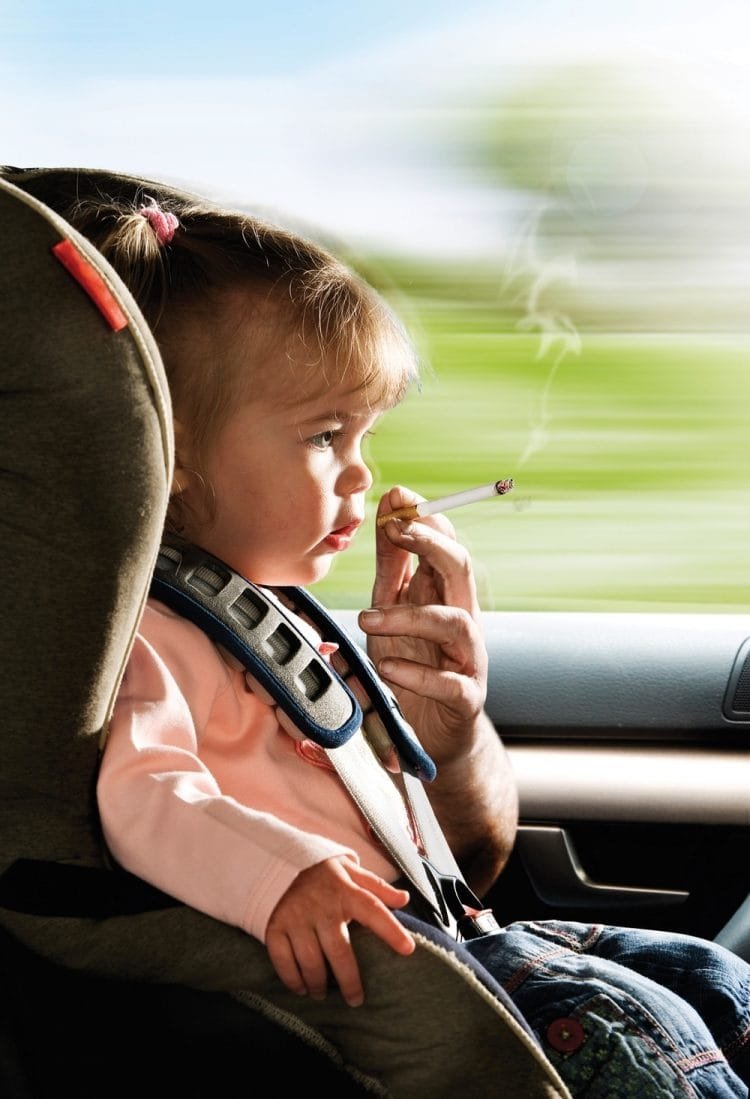
Research released by the British Medical Association (BMA) provides strong evidence that smoking in cars is harmful to non smoking passengers, with children and the elderly particularly vulnerable.

The BMA are calling on all UK governments to ban smoking in private vehicles because of the high levels of exposure to toxins.

ASH Wales Chief Executive Elen de Lacy responded:

“We already know that children and the elderly are particularly vulnerable to the effects of secondhand smoke with exposure increasing the risk of asthma and other respiratory diseases.

We were pleased when the Welsh Government announced during the Summer that they would consider banning smoking in cars when children are present but we want to see legislation introduced at an early stage along with a public awareness campaign. There is already strong public support for such a ban with four out of five Welsh adults supporting us, and BMA’s research shows why legislation is needed now to protect our children from dangerous toxins.”

ASH Wales Welcomes News on Tobacco Vending Machine Ban

ASH Wales has welcomed the overwhelming cross-party support given by Assembly Members today to protect children from accessing tobacco products from vending machines in Wales.

The Protection from Tobacco (Sales from Vending Machines) (Wales) Regulations 2011 were debated in Cardiff Bay this afternoon. The Regulations, which are due to come into force on 1st February 2012, will ban the sale of tobacco from vending machines throughout Wales.

ASH Wales Acting Chief Executive Carole Morgan-Jones said:

“We are delighted that the motion was passed today. One in 5 young smokers tell us they can purchase cigarettes from unsupervised vending machines. These regulations will protect children from having easy and illegal access to cigarettes.

“It’s an important public health measure to safeguard future generations and an integral part of a comprehensive strategy to tackle the harm that tobacco causes to Welsh communities. ASH Wales, along with members of the Wales Tobacco Control Alliance, look forward to the Welsh Government’s Tobacco Delivery Plan later this year.”