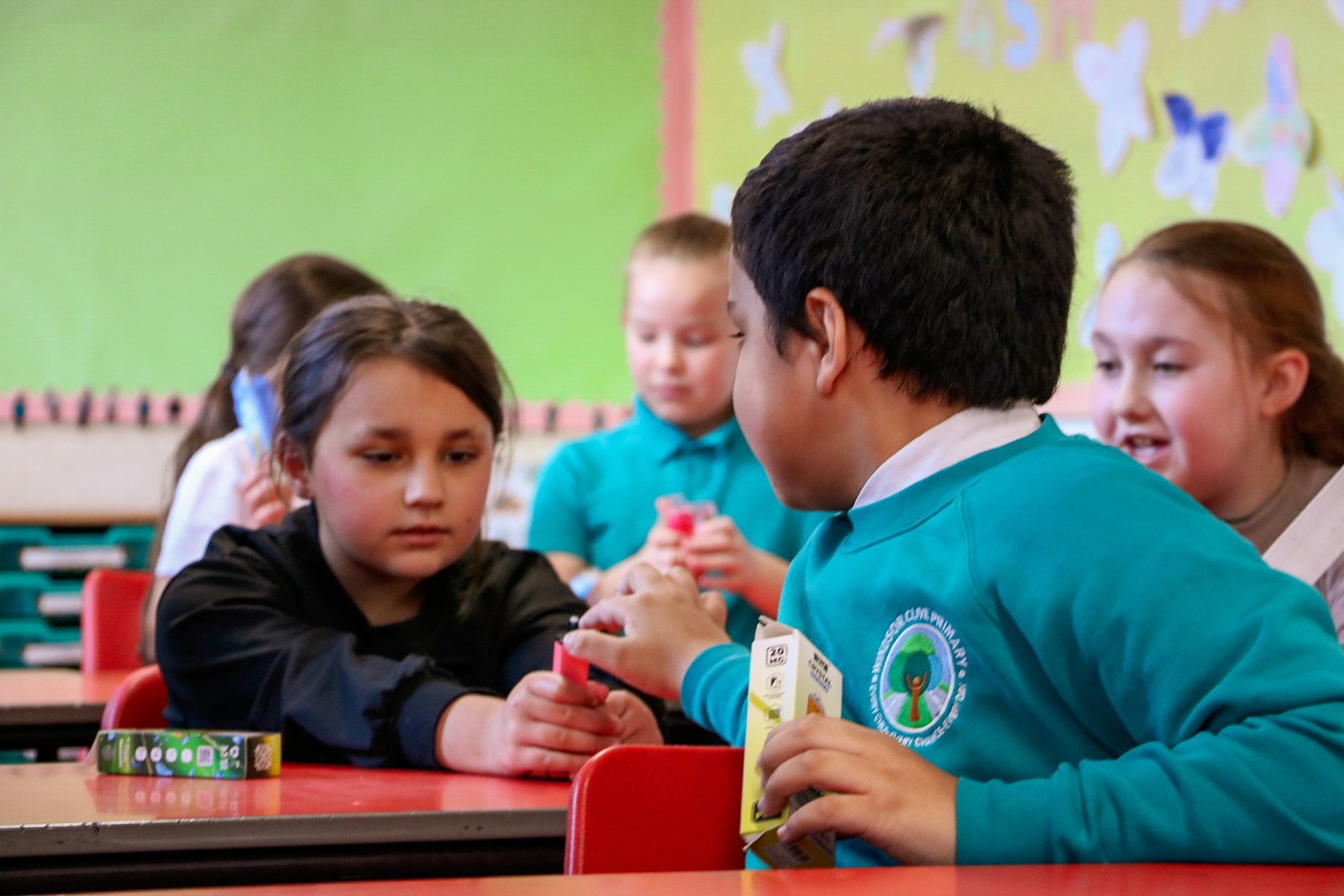
New 2025 SHRN data shows regular vaping and smoking have fallen among secondary school learners in Wales. We look at the latest figures, what they mean and why prevention work still matters.
What does peer pressure look like? Sometimes it is obvious. Sometimes it looks more like a joke, a …
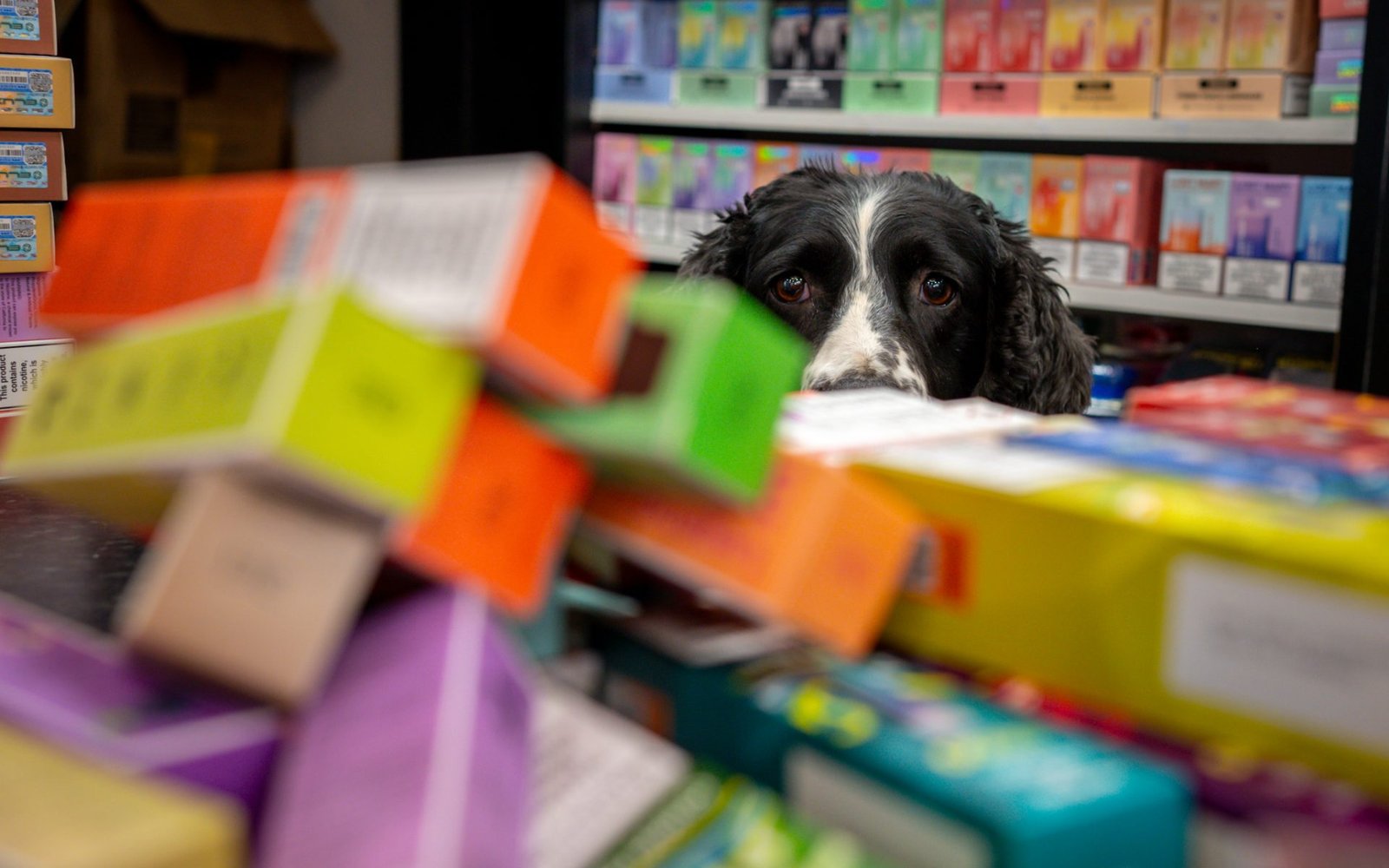
A year ago, disposable vapes had become hard to miss. They were in shop displays, coat pockets, school …
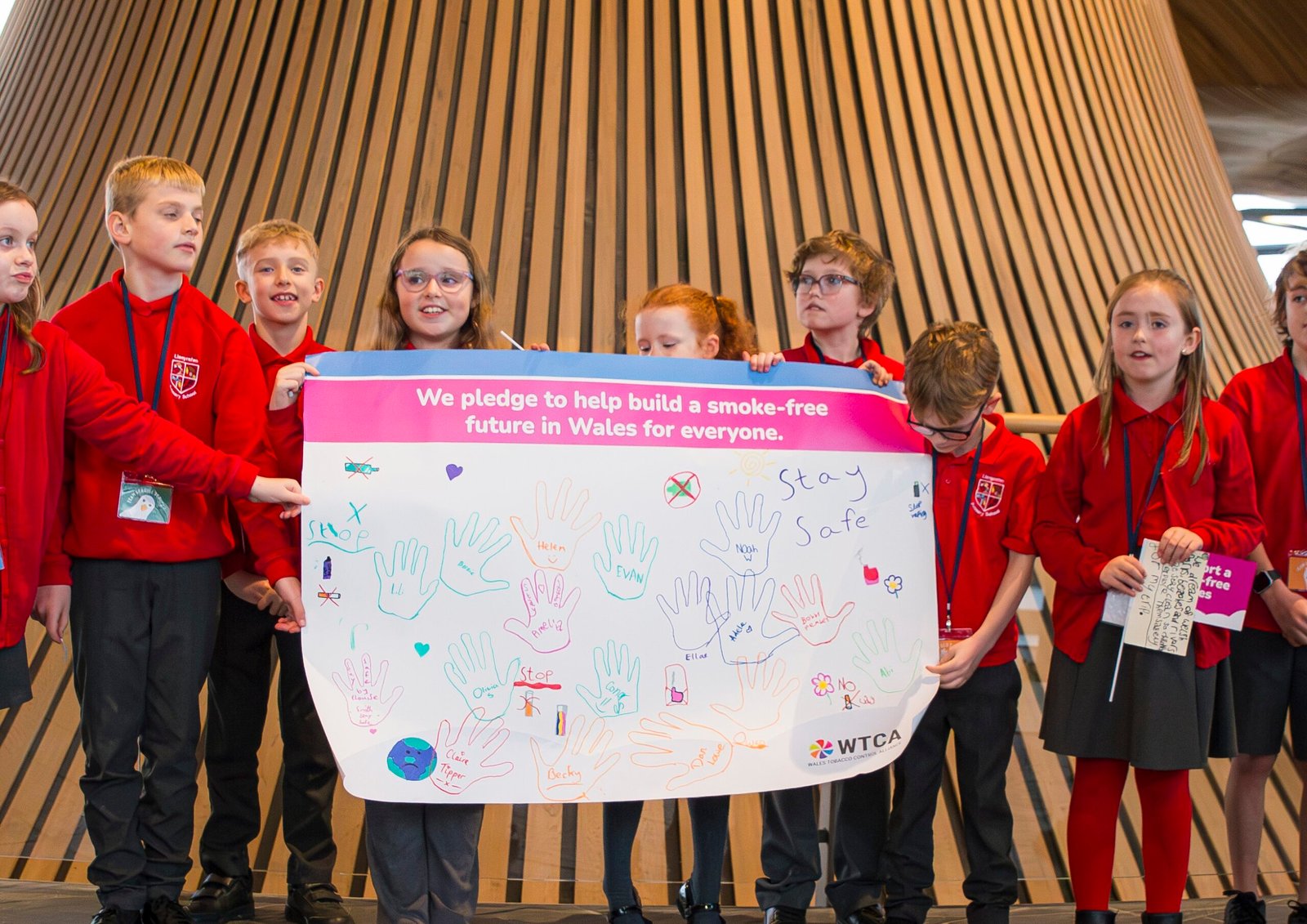
Wales’s leading tobacco control charity is today calling on all parties contesting the Senedd election to set out …

This No Smoking Day 2026, we are encouraging the estimated 260,000 people in Wales who smoke to consider …

Tiffany, 54, has lived in Cardiff all her life and now calls Llanishen home. She works as a …
Information / Vaping in schools
Vaping can affect behaviour, learning, toilets, breaktimes, safeguarding and staff time. A useful school response needs more than sanctions. It should combine clear rules, prevention, support for nicotine dependence and action on how pupils are getting products.
This page turns current Public Health Wales guidance into a quick route for teachers and school staff.
Last reviewed: 24 September 2026
START HERE
Public Health Wales recommends looking at the pattern of use, how pupils get vapes, school policy, curriculum, family communication and support for young people who may be nicotine-dependent.
Follow your school behaviour and safeguarding procedures, then work out whether this looks like experimentation, regular use or possible dependence. Record what happened and what support is needed next.
Look for patterns. Which year groups, locations and times are involved? Are pupils struggling to get through lessons without vaping? Is access coming from shops, older pupils, online sellers or elsewhere?
Do not leave them with a warning and no support. Ask about frequency, cravings, withdrawal, triggers and where they get vapes, then connect them with appropriate support.
Use evidence-based teaching that covers pressure, marketing, nicotine, decision-making and the difference between smoking and vaping without presenting them as equally harmful.
1. Deal with the immediate incident. Follow your school behaviour, safeguarding and substance-use procedures.
2. Establish what happened. Ask what was used, how often they vape, where the product came from and whether other pupils are involved. If the device or packaging is unfamiliar, use What’s in a vape? and the New & Emerging Products hub rather than trying to identify ingredients yourself.
3. Look beyond the single incident. One-off experimentation, regular use and nicotine dependence need different follow-up.
4. Consider wider concerns. Repeated supply, selling between pupils, online sellers, unknown products or links with other risky behaviour may need a safeguarding or enforcement response.
5. Plan support and follow-up. A sanction on its own will not address dependence, access or pressure.
Experimentation: tried vaping once or a small number of times. Explore curiosity, pressure and what might help them avoid repeating it.
Regular use that feels controlled: vaping happens regularly but the learner may not see it as a problem. Explore context, cost, access, stress and any negative effects they have not linked to vaping.
Dependence recognised as a problem: the learner feels vaping is affecting daily life or finds it hard to stop. Discuss support and referral routes.
Public Health Wales recommends a whole-school approach rather than treating vaping as a series of isolated behaviour incidents.
Use your own data: review SHRN feedback, behaviour records, staff observations and learner feedback.
Map access: find out how learners are getting vapes and whether supply is linked to shops, social media, older young people or peer networks.
Review policy: include vaping within smoking or substance-use policies and apply expectations across the school community, grounds, trips, events and use of the premises.
Communicate clearly: staff, pupils and families should know the school position, the reasons for it, where to get support and how to report illegal or underage sales.
Does your policy clearly cover vaping devices? Does it apply to pupils, staff, visitors and contractors? Does it cover all school grounds, trips and events? Is the response to repeated vaping consistent? Is there a route for pupils who may be nicotine-dependent? Do families know how the school responds? Do staff know where to report suspected underage or illegal sales?
Public Health Wales advises schools to teach vaping within broader substance-use education, alongside smoking prevention and skills such as critical appraisal, decision-making and risk assessment.
That is not supported by the evidence and can undermine trust. The accurate message is that vaping is less harmful than smoking for adults who switch completely, but vaping is not risk-free and is not for children and young people.
Peer pressure, stress, boredom, social media, packaging, flavours, price and wanting to fit in can all shape choices. Activities that let learners question those pressures can be more useful than a list of health warnings.
ASH Wales has a KS3 Health Risks of Smoking & Vaping lesson with presentation, quiz, role-play, investigative reporting and discussion prompts. Public Health Wales has a curriculum toolkit with teacher guidance, knowledge banks and classroom activities.
If a learner is struggling to stop: school nursing services can provide advice in many areas, and Help Me Quit can give specialist NHS advice on available support.
If you are worried about where products are coming from: ask about access and payment. Public Health Wales recommends schools address buying or selling between learners and report outlets suspected of illegal underage sales.
Current law: it is illegal to sell nicotine-containing vapes to under-18s or for an adult to buy them on behalf of an under-18. From 29 October 2026, the age-of-sale rule expands to all vaping and nicotine products in Wales.
You do not need proof before reporting a suspected illegal or underage seller through No Ifs. No Butts., and staff should not investigate or confront sellers themselves.
Public Health Wales: guidance for secondary-aged learners in Wales
Public Health Wales: Substances and Addiction, focus on vaping toolkit
ASH Wales: Nicofiends school and youth resources
ASH Wales: Health Risks of Smoking & Vaping KS3 lesson
ASH Wales: Teen vaping facts for parents & professionals
Welsh Government: vaping and nicotine product age-of-sale guidance