🚬 Smoking in front of a ‘No Smoking’ sign? Dua Lipa's March 2025 photos are a striking example of how cigarettes appear in celebrity culture. ASH Wales' research found no identified tobacco partnership. So when does smoking become part of the aesthetic — and why does that matter?
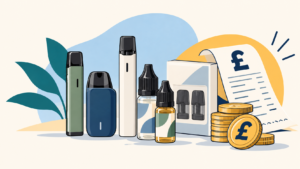
A new UK excise duty on vaping products starts today, 1 October 2026. Here is what the £2.20 per 10ml duty, new vape duty stamps and higher tobacco duty mean in Wales.
The full ASH Wales Annual Adult Population Survey 2026 is now live, with new Wales evidence on smoking, vaping, quitting, inequalities and public attitudes.
New 2025 SHRN data shows regular vaping and smoking have fallen among secondary school learners in Wales. We look at the latest figures, what they mean and why prevention work still matters.
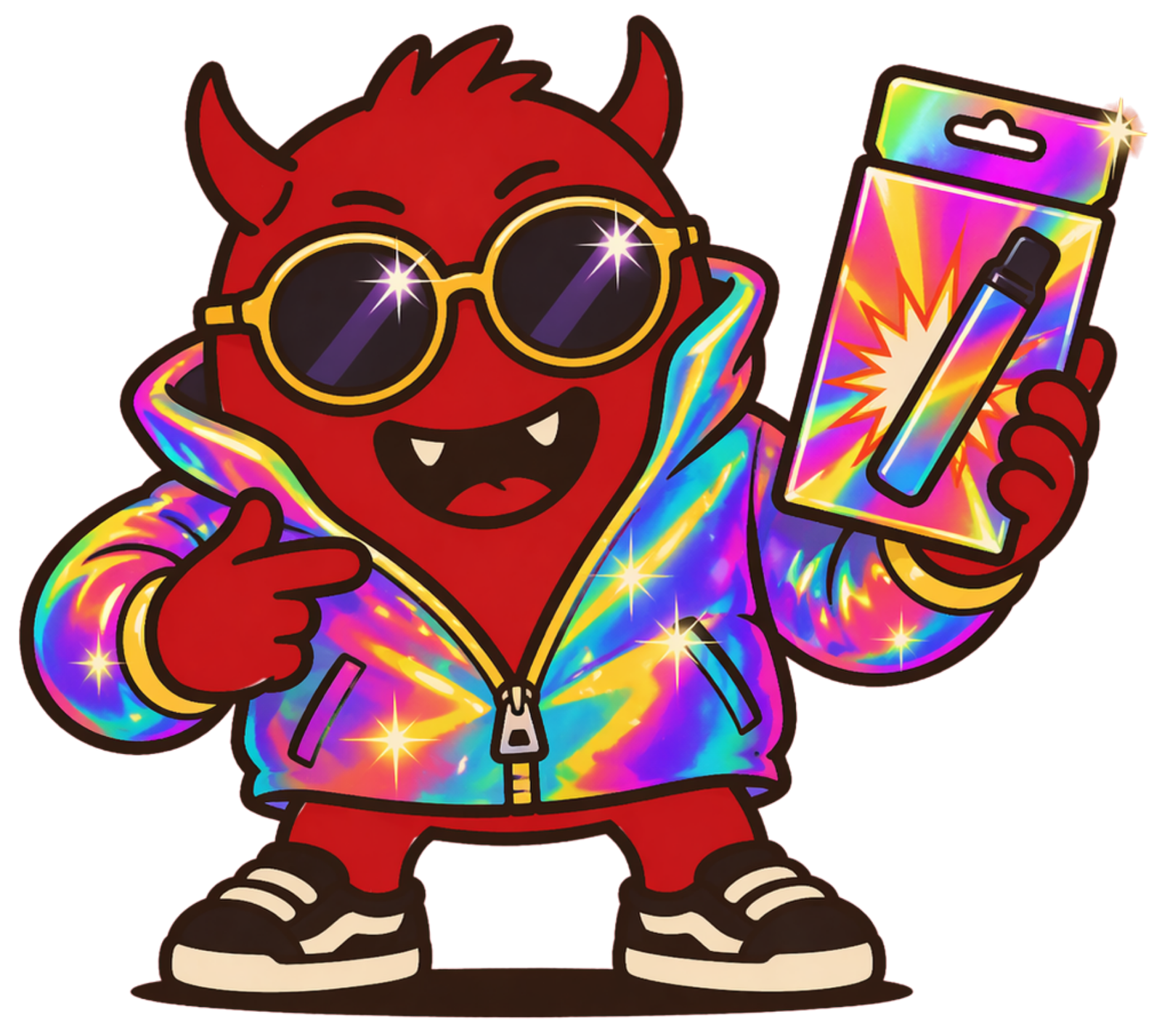
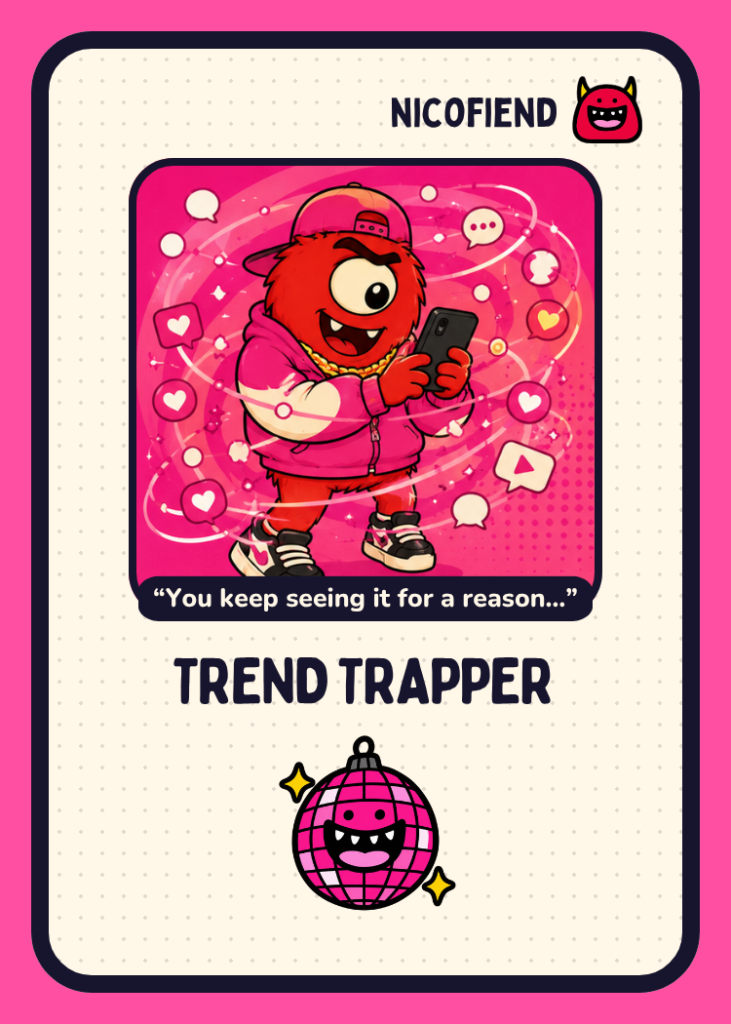
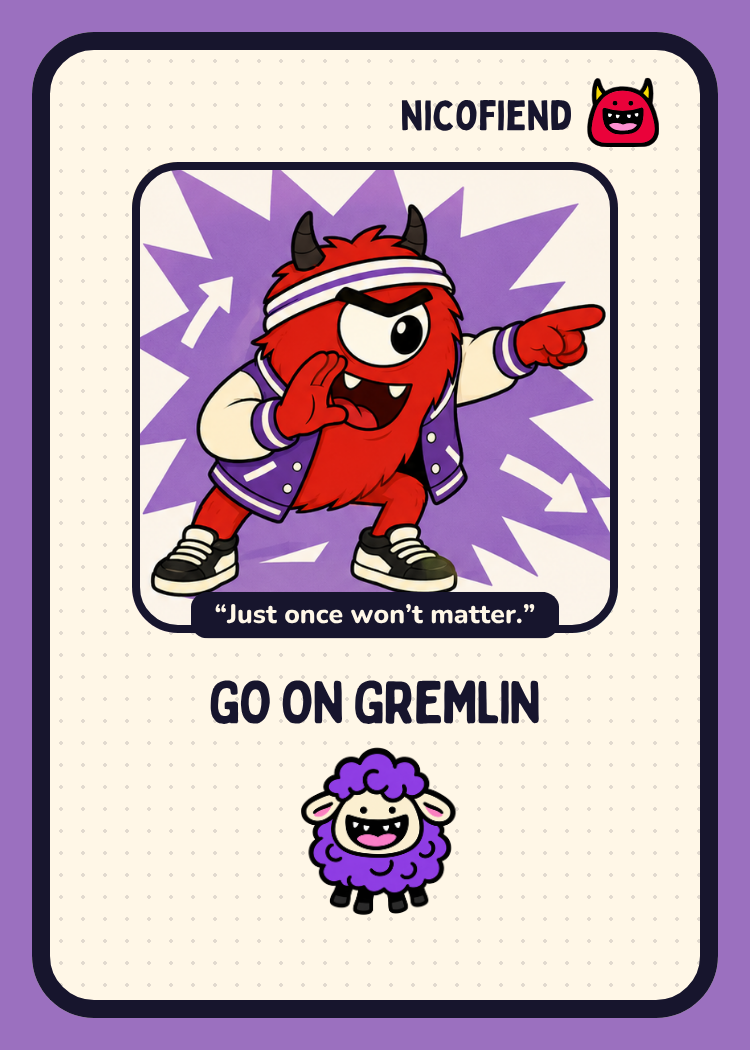
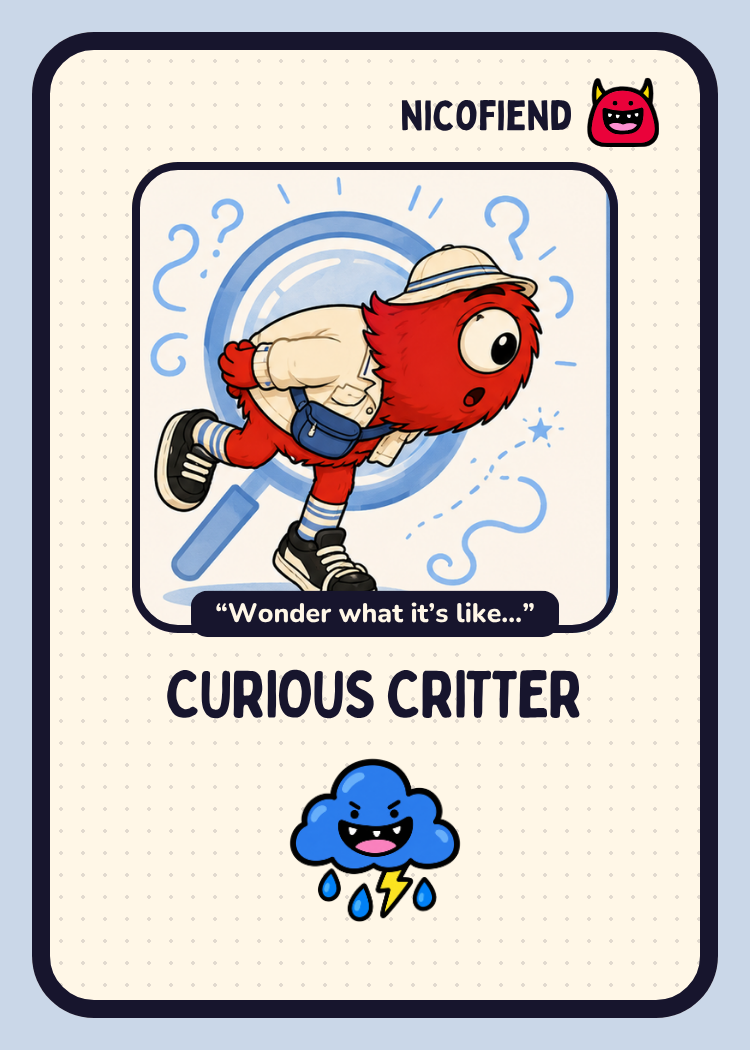
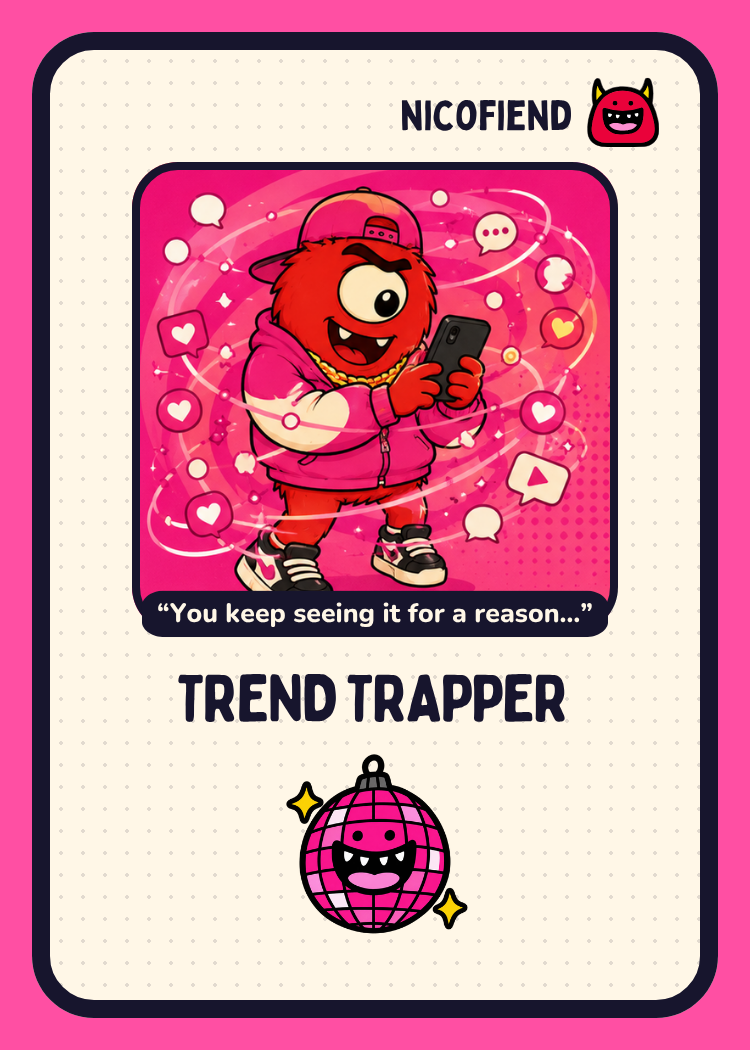
Meet the Nicofiends, a bunch of made-up creatures that bring some of the pressures around smoking, vaping and nicotine to life. From fitting in and curiosity to stress, hype and cravings, each one gives young people something they can spot, talk about and challenge.
Flashy uses bold colours, shiny packaging and sweet flavours to make
nicotine products look exciting... without showing the risks.
Where to start?
Choose the route that best fits what you need. Nicofiends has ready-to-run resources for schools, youth groups, families, sports clubs and community settings.
Young people across Wales are invited to invent an original Nicofiend: a character showing a pressure, feeling, message or trick linked to smoking, vaping or nicotine. Draw it, paint it or create it digitally.
Twelve winning ideas will be professionally reimagined as official Nicofiends playing cards and animated campaign characters for 2027.
Winners will receive a Nicofiends card game, prize bundle, certificate and voucher.
Closing date extended to Friday 15 January 2027
Printed competition sheets showing 4 December 2026 can still be used. Please submit entries by the new closing date.
Nicofiends takes things like peer pressure, hype, stress and cravings and turns them into creatures young people can spot and talk about. It makes something a bit complicated feel easier to name. The Nicofiend is always the pressure, never the person. The activities are designed to give adults a creative, age-appropriate way to open honest conversations.
The programme is informed by wider prevention evidence about active learning, decision-making and social influence. Participation or positive feedback should not be read as proof that Nicofiends itself has reduced smoking or vaping unless and until outcome evaluation demonstrates that.
Nicofiend
[ nik-oh-feend ] | noun
a character that shows the pressures, tricks or feelings that can pull young people into smoking, vaping or nicotine use.
Nicofiends is designed to help young people:
Spot peer pressure and influence
Question marketing and social media messages
Feel more confident making their own choices
New Nicofiends resource
Play the Nicofiends Card Game
Battle Nicofiends using NicoFriends in a fast, discussion-friendly
card game about pressure, feelings, marketing and nicotine tricks.
Have you used a Nicofiends lesson, activity or competition resource?
Tell us what worked and what we could improve. Your feedback helps us
improve future resources and understand how Nicofiends is being used
across Wales.
Created with WRU Community Rugby, these active team games help young
people explore peer pressure, confidence and choice through play. They
can be used by rugby clubs and adapted for other sports settings.
Quick answers for schools, youth workers, families and anyone
using Nicofiends with young people. Questions about Nicofiends, resources or competition entries? Email communications@ashwales.org.uk
What exactly is a Nicofiend?
A Nicofiend is a made-up creature that gives a pressure,
feeling, message or craving a face. It gives young people a simple way to spot what is going on and talk about it without putting a label on themselves or anyone else.
Think curiosity, wanting to fit in, stress,
bright packaging, something seen online or someone
saying “Go on, just try it.” The Nicofiend is the pressure, never the person.
Who are the Nicofiends resources for?
Nicofiends has free resources for children and young
people aged 4 to 18.
They can be used in schools, youth groups, sports clubs,
community settings and other places where adults work
with young people.
Where should I start?
Start with whatever fits your group and the time you have.
Choose one quick activity, try the card game, download a
resource pack or get young people involved in the national
competition.
There is no set order and you do not need to work through
everything.
Do I need to be a nicotine expert?
Nope.
You know your young people. The resources give you a way
into the conversation, with facilitator notes, discussion
prompts, key messages and printable materials where you
need them.
Do I have to stick to the suggested age ranges?
No. The age ranges are there to help you choose an
activity, rather than box you in.
Lots of the activities can be made simpler or more
challenging depending on the young people you are
working with.
Is Nicofiends just about vaping?
No. Nicofiends looks at smoking, vaping, nicotine products
and the pressures that can sit behind them.
Products change, but things like curiosity, fitting in,
hype, stress, temptation and that
“just one more” feeling keep cropping
up in different forms.
Does Nicofiends cover mental health and wellbeing?
Mental health is not a separate Nicofiends topic, but
feelings and coping are part of many of the conversations.
Younger children might explore worry, boredom, feeling
left out, confidence and asking for help. With older
young people, conversations can move into stress,
coping, dependence and nicotine feeling like a
“quick fix”.
Nicofiends is not a mental health service. If a young
person needs more support, use the wellbeing and
safeguarding routes you would normally use in your
setting.
Is Nicofiends a quit service?
No. Nicofiends is mainly about prevention - helping young
people spot pressure, understand what might pull them in
and make their own informed choices.
Some young people using the resources may already smoke,
vape or use nicotine. They should still be included
without judgement.
If they want help to stop, there is free NHS support
available in Wales.
What if a young person wants help to stop smoking or vaping?
Signpost them to Help Me Quit, the free
NHS stop-smoking service for Wales.
FREE NHS SUPPORT
Help Me Quit
If they smoke
Help Me Quit supports young people aged
12 and over who want to stop smoking.
Support from trained stop-smoking advisers
Help with cravings, triggers and planning a quit attempt
Behavioural support suited to the young person
Free Nicotine Replacement Therapy, such as patches
or gum, where suitable
Help Me Quit says parental consent is ideal, but it is
not always required. The service can talk through the
right approach for each young person.
If they vape
Young people who vape can be supported to access
Help Me Quit too.
The support available for vaping is different from the
stop-smoking programme and the offer for young people is
developing. Help Me Quit can talk through what support
is currently available and the best next step.
If they smoke and vape
Young people who both smoke and vape can access the full
Help Me Quit smoking support pathway.
What about nicotine pouches or another nicotine product?
If you are unsure what support is right for a young
person using another nicotine product, contact Help Me
Quit and ask the team for advice.
What if a young person tells me they already use nicotine?
Nicofiends is not about catching anyone out or asking
young people to disclose whether they smoke, vape or use
nicotine.
Keep the conversation calm and non-judgemental. Listen to
what they are telling you and what, if anything, they want
help with.
If they want to stop, signpost them to Help Me Quit.
If what they tell you raises a welfare or safeguarding
concern, follow the normal procedures for your setting.
Is there support for parents and carers?
Yes. Parent Support is our support hub for
parents and carers who are worried about a child or
teenager smoking, vaping or using nicotine.
It covers starting conversations, understanding different
products, helping a young person who wants to stop,
withdrawal and what to do if you find a vape or another
nicotine product.