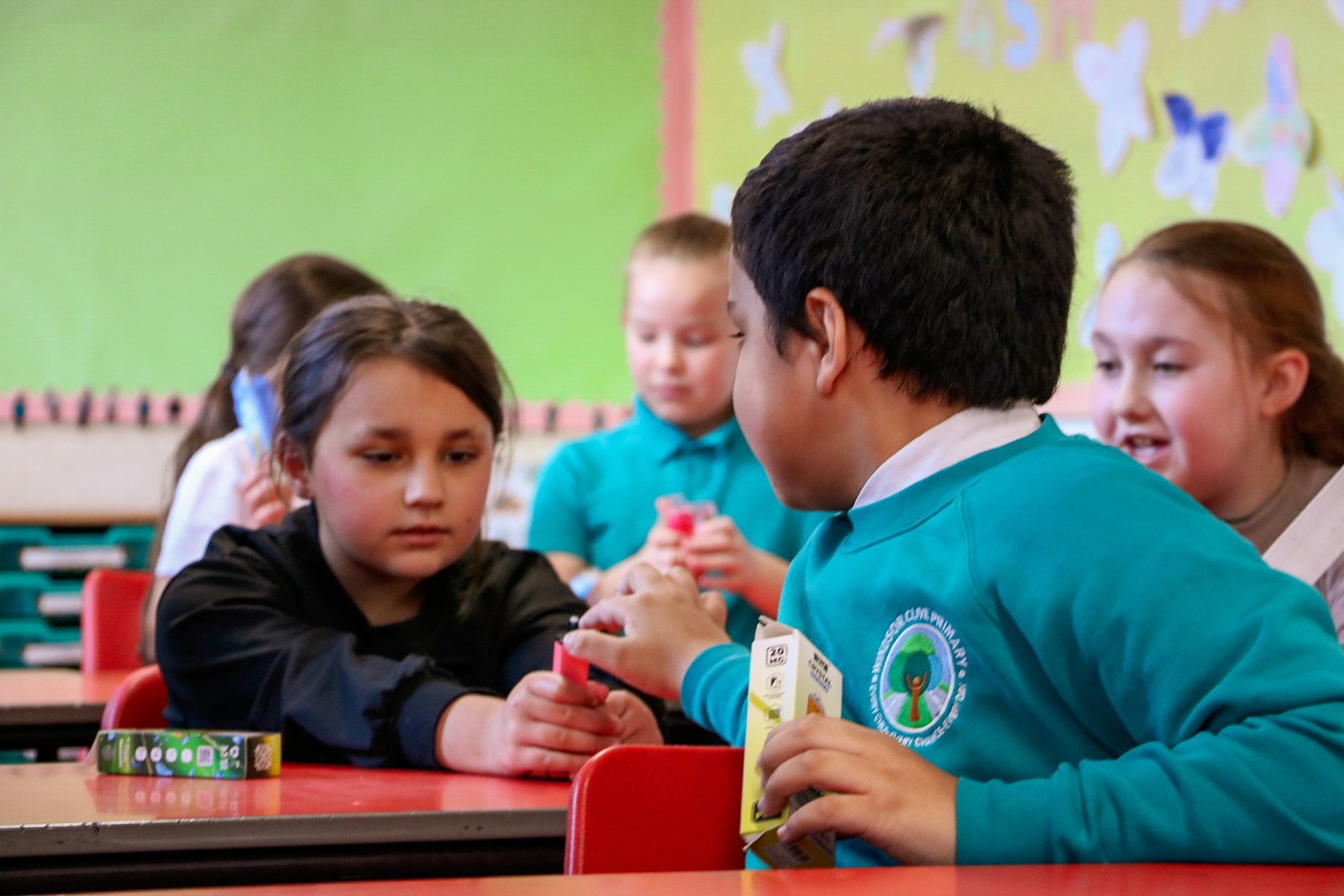
New 2025 SHRN data shows regular vaping and smoking have fallen among secondary school learners in Wales. We look at the latest figures, what they mean and why prevention work still matters.
What does peer pressure look like? Sometimes it is obvious. Sometimes it looks more like a joke, a …

A year ago, disposable vapes had become hard to miss. They were in shop displays, coat pockets, school …
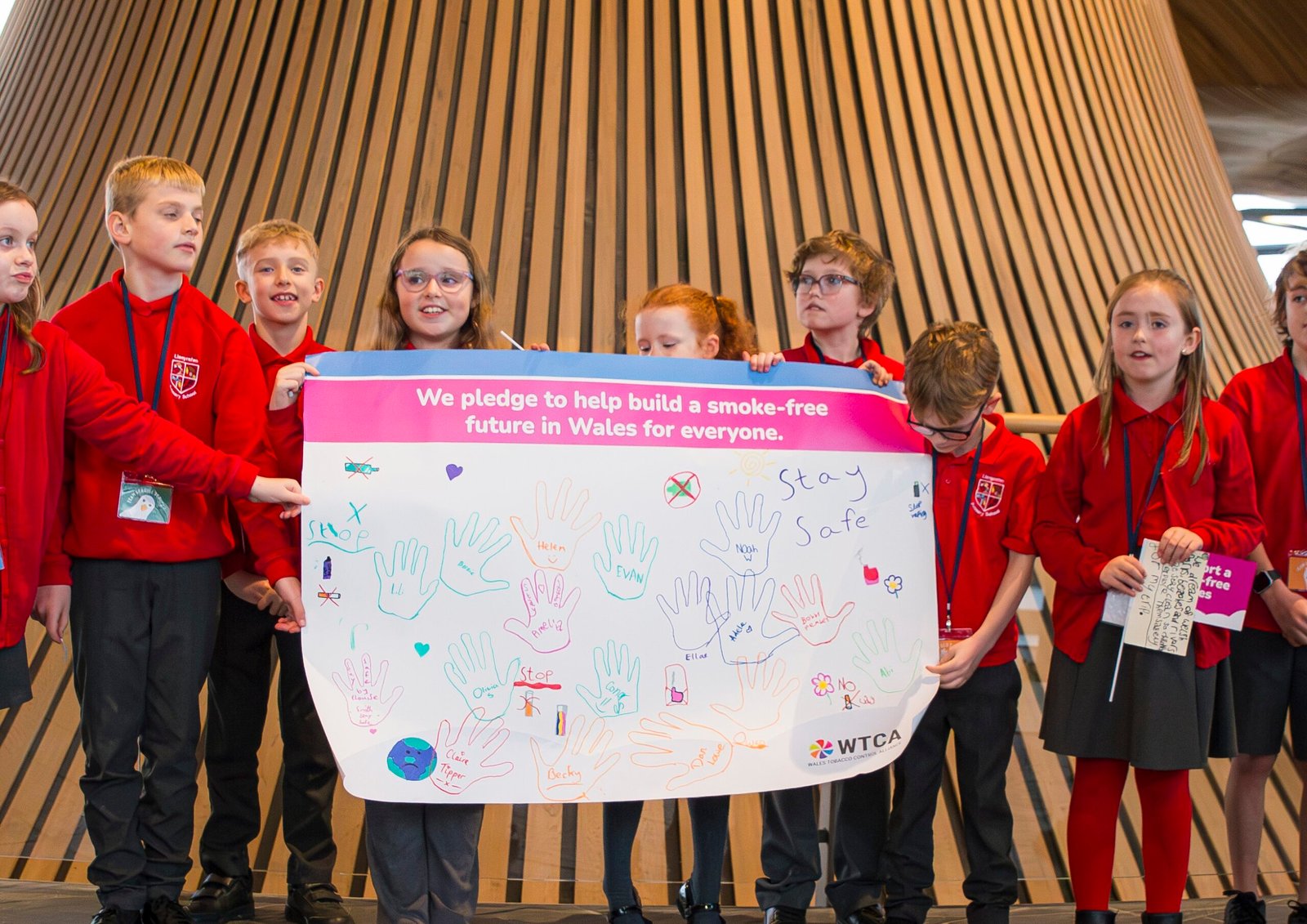
Wales’s leading tobacco control charity is today calling on all parties contesting the Senedd election to set out …

This No Smoking Day 2026, we are encouraging the estimated 260,000 people in Wales who smoke to consider …

Tiffany, 54, has lived in Cardiff all her life and now calls Llanishen home. She works as a …
Information / Nicotine withdrawal
When someone regularly uses nicotine, their body and brain adapt to it. Cutting down or stopping can bring temporary withdrawal symptoms — whether the nicotine came from cigarettes, vapes or another nicotine product.
Last reviewed: 25 September 2026
QUICK ANSWER
NHS guidance says symptoms after stopping smoking are usually strongest in the first week, especially the first three days, and last around 3–4 weeks on average. Experiences vary, and some symptoms can last longer.
Strong urges to use nicotine, often triggered by routines, stress or seeing other people use it.
Feeling tense, impatient, frustrated or unable to settle.
Finding it harder to focus or feeling mentally distracted for a while.
Some people notice sleep changes, anxiety, low mood or feeling more emotional.
Cravings and restlessness can begin as nicotine levels fall.
Symptoms are often at their strongest. This is a common point for cravings, irritability and concentration problems.
Symptoms can still be strong, but many people start noticing periods where cravings are easier to manage.
For many people, most withdrawal symptoms have eased substantially. Some habits or triggers can last longer.
Nicotine withdrawal is the body adjusting to lower nicotine levels. A trigger is a situation, feeling or routine that has become linked with using nicotine — for example a break at work, a car journey, stress or being with friends who vape.
Both can create cravings, which is why a plan usually works better than relying on willpower alone.
Licensed NRT, stop-smoking medicines, vaping and behavioural support can all reduce the chance that withdrawal pulls you back to cigarettes.
You can reduce nicotine strength, increase the time between vaping, change routines and make a plan for cravings.
Keep the conversation supportive and practical. Look at dependence, triggers, access and what support they are comfortable using.
Nicotine withdrawal can feel uncomfortable, but severe symptoms such as collapse, seizures, severe breathing difficulty or serious confusion are not ordinary withdrawal. Seek urgent medical help if someone is seriously unwell.
Why nicotine dependence develops and why smoking creates the greatest health risk.