


ASH Wales calls for financial incentives and additional support to stop pregnant women from smoking

ASH Wales is calling for pregnant smokers to be offered financial incentives and additional support to quit the habit after new figures show an alarming rise in those smoking throughout their pregnancy in Wales.

According to Welsh Government’s latest Maternity and Birth Statistics around 5,000 babies were born to smoking mothers in 2020.

Smoking rates were highest among pregnant 16 to 19-year-olds with one in three (35%) smoking throughout their pregnancy – an increase of five percentage points since the previous year.

There has also been a rise of five percentage points in the number of women aged 40 to 44 who smoke throughout pregnancy.

Overall, in Wales one in six mothers (17%) were recorded as being smokers at the time they gave birth – one percentage point higher than the previous year. The number of mothers recorded as being smokers at their initial assessment remained the same as the previous year at 17%.

The figures show that 18% of women who were smokers at their initial assessment had quit by the time of the baby’s birth.

Smoking in pregnancy seriously harms the health of both babies and mothers, doubling the likelihood of a still birth and making the risk of a miscarriage up to 32% higher. Babies born to mothers who smoked in pregnancy are 50% more likely to have heart defects and 27% more likely to be born prematurely. The risk of sudden infant death is also three times higher if a mother smokes in pregnancy.

Evidence shows offering financial incentives such as shopping vouchers, have been found to be one of the most effective ways to help women to quit. The 2019 Cochrane Review found that pregnant women who received incentives to quit were more than twice as likely to quit smoking during pregnancy and remain smoke free after their baby’s birth compared to those who did not receive incentives.

Programmes offering pregnant women shopping vouchers as incentives to quit smoking have been successfully run across the UK including by NHS Greater Glasgow and Clyde where women offered incentives were twice as likely to have quit at 34-38 weeks gestation. In the North West region of England, a similar project saw 69% of women who participated quit smoking during pregnancy.

ASH Wales is also calling for measures to provide additional support and monitoring of pregnant smokers, including:

  • Targeted smoking cessation support in areas of Wales where smoking prevalence is highest
  • Specialist support for pregnant teenagers
  • Regular CO monitoring of all pregnant women

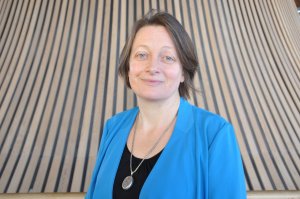
ASH Wales CEO Suzanne Cass said: “It is extremely worrying that rates of smoking in pregnancy in Wales remain so high, putting the lives of thousands of babies at risk every year.

“While it is encouraging that 18% of pregnant smokers had quit by the time their baby was born, the numbers still smoking at the time of their birth remain high – particularly among teenagers.

“There is strong evidence that offering pregnant women financial incentives such as shopping vouchers, to quit smoking is highly effective. We would like to see Wales adopt an incentive scheme that encourages women to take up tailored smoking cessation support during their pregnancy.

“Additional support and monitoring of all pregnant women in Wales is also needed as a matter of urgency and we are calling for a package of measures to provide specialist smoking cessation support for all pregnant women in Wales especially teenage smokers.”

Commenting, the Royal College of Midwives (RCM) Director for Wales, Helen Rogers, said:

“It is very concerning that the number of smokers in pregnancy in Wales is not falling. These latest statistics show no real change on last year’s report. What is even more worrying is that one in three girls between the age of 16-19 years old are recorded as smokers at the time of giving birth.  The devastating effects of smoking in pregnancy are well documented, particularly the link between smoking in pregnancy and stillbirths. Efforts now need to be redoubled to improve intervention as a matter of urgency.”

Helen added:

“A concerted effort is needed to target areas in Wales where smoking levels remain high. Quitting smoking is not easy and pregnant women need more specialist support to help them stop for good. We know that higher rates of smoking are closely linked to wider social and financial inequalities in Wales. As a country there is much we can do, not just in maternity services, but much wider across society in other ways, such as education in schools, focusing on positive preconception care, advice, and support. All of this needs investment if we are to truly tackle smoking in pregnancy rates in Wales.”

Guiding People To Quit Smoking For Good

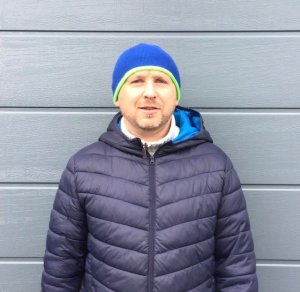
Philip Garrod is a senior practitioner for the hospital smoking and wellbeing service at Hywel Dda University Health Board. He tells us why he is so passionate about helping patients and hospital staff to quit the habit:

“I’ve always been passionate about healthcare and worked in the NHS for many years.  Becoming a smoking cessation practitioner really appealed to me as I had an opportunity to make a real difference in people’s lives. I’d also seen at first-hand how family member’s lives are affected by smoking so it was an area that really interested me.

My role is to guide patients through behavioural change and provide them with the skills, knowledge and confidence they need to become a more active participant in improving their own health. It’s a true working partnership with each patient.

“Sometimes patients self-refer and others are referred by a specialist practitioner or a consultant as quitting smoking can have huge benefit in the management of chronic conditions, length of hospital stay and will improve wound healing and response to treatment.

“The patients I work with are so varied which makes my role really exciting. We have patients that are really quite young, maternal health patients, some that are physically fit and others with health limiting conditions. It is rewarding when people’s quality of life and self-esteem improve once they are able to quit.

We also work with staff from the health board who smoke and which presents a good opportunity for them to promote the service to patients but also helps them manage their withdrawal during their working day. The new legislation has banned people from smoking on the hospital grounds but we are keen to reassure people that we are here to help. Nicotine Replacement can be given to prevent discomfort experienced as a result of a hospital stay, whether a patient, visitor or a member of staff, we have advisors on each site to help.

Since the start of the Covid-19 pandemic there has been an increase in patients wanting to have smoking cessation support, which is great. It’s not always easy and we try to have a flexible approach tailored around the patient’s needs. We remind patients that the door is always open for them regarding treatment. Sometimes the time may just not be right but we don’t want them to give up giving up.

There are many barriers to quitting and sometimes change is hard but we can work through these issues with the individual and give them their best chance of quitting successfully. COVID has been a frightening time for people and many want to talk about that. We are also work closely with other services such as the local drug & alcohol teams, social prescribers, exercise and nutrition experts.

There are so many examples of patients that I have worked with that make me really proud. I remember an elderly lady who was admitted through A&E because she was struggling to breathe. She was asthmatic and has COPD and was regularly taking respiratory medicine.

The patient had considered giving up previously but it was never the right time. She was in her 80s and had smoked for many years. We listened to her history and tried to understand why she smoked. She said to me: ‘I don’t think I’ll ever be able to stop, this is my life I enjoy doing it’.

She was really struggling in the mornings with a repetitive cough and the knock on effects was causing her incontinence because she was coughing so much. She thought she would never be able to go out in social circumstances because the cough would embarrass her. We treated her with nicotine replacement therapy, supported her with behavioural and motivational support and listened to the patient to understand the things she really wanted out of her treatment.

In no time at all she started using the medication really proactively and she really engaged and attended appointments. Soon the patient started to notice the benefits to her own health, her cough had improved dramatically and that was the icing on the cake. She set a goal to attend a family wedding but was so anxious as her cough had embarrassed and brought unwanted attention at previous gatherings. This had prevented her accepting invitations for years. We coached and supported her and continued our treatment and the patient grew in confidence and she managed to attend the family wedding. Her confidence and quality of life improved as well as her finances. That was such a rewarding exchange.”

Primary School Wins David Attenborough Portrait After Joining Smoke-free School Gates

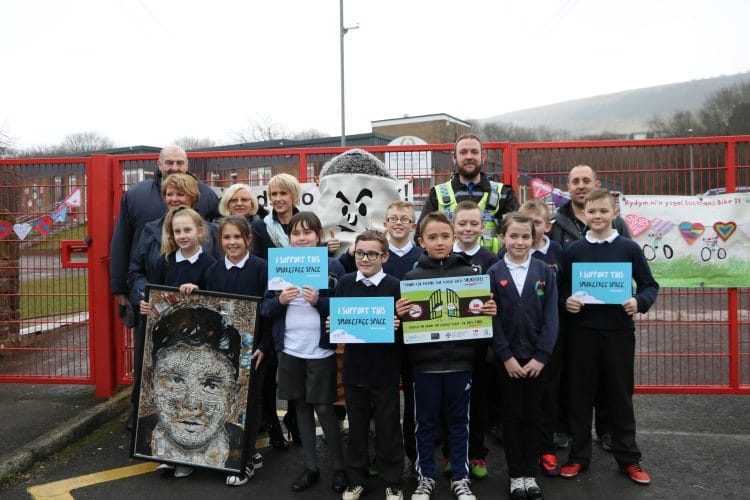
A Merthyr Tydfil primary school has a very famous face hanging up in its school hall after winning ASH Wales’ Smokefree Schoolgates competition.

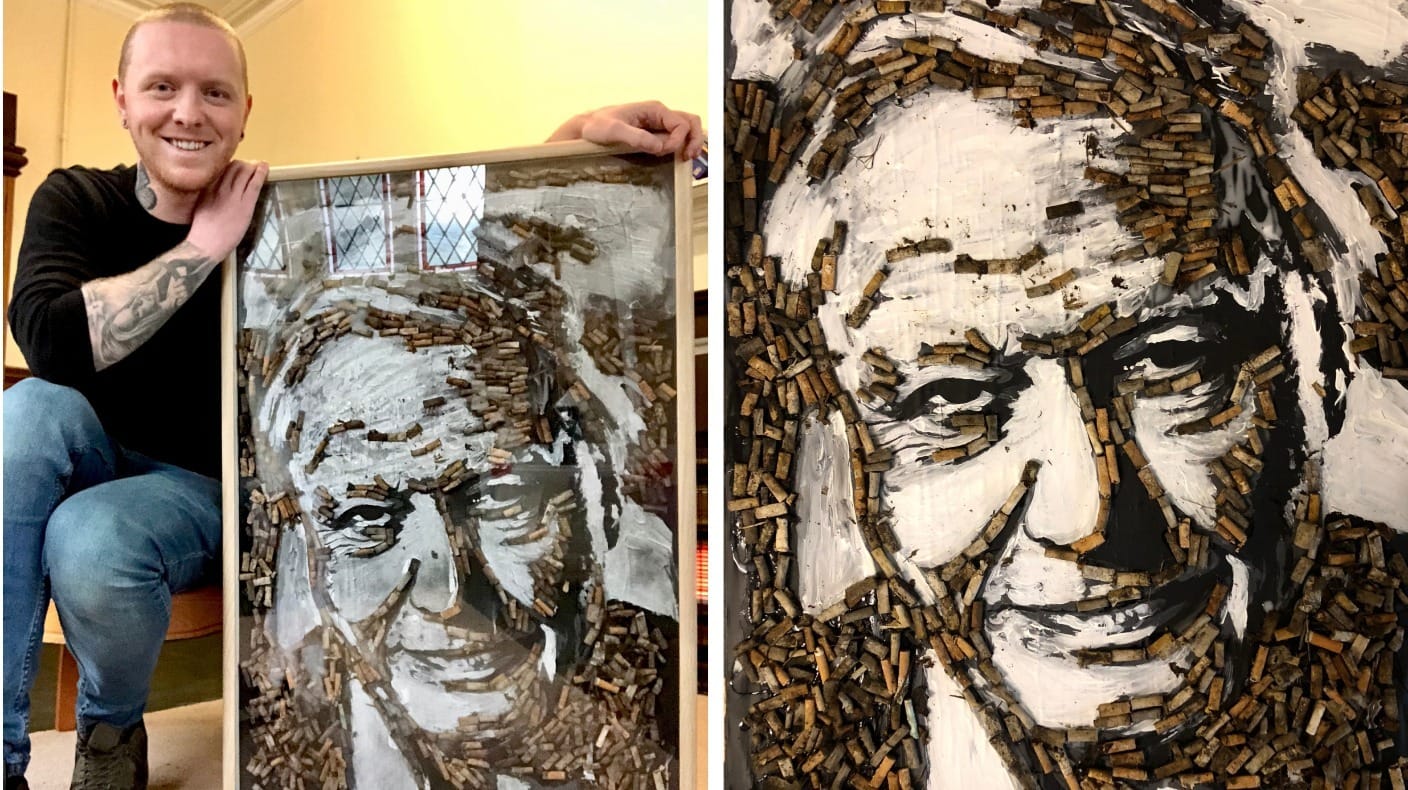
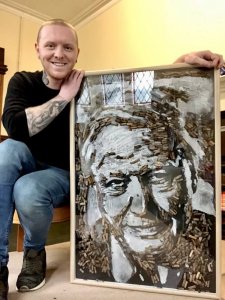
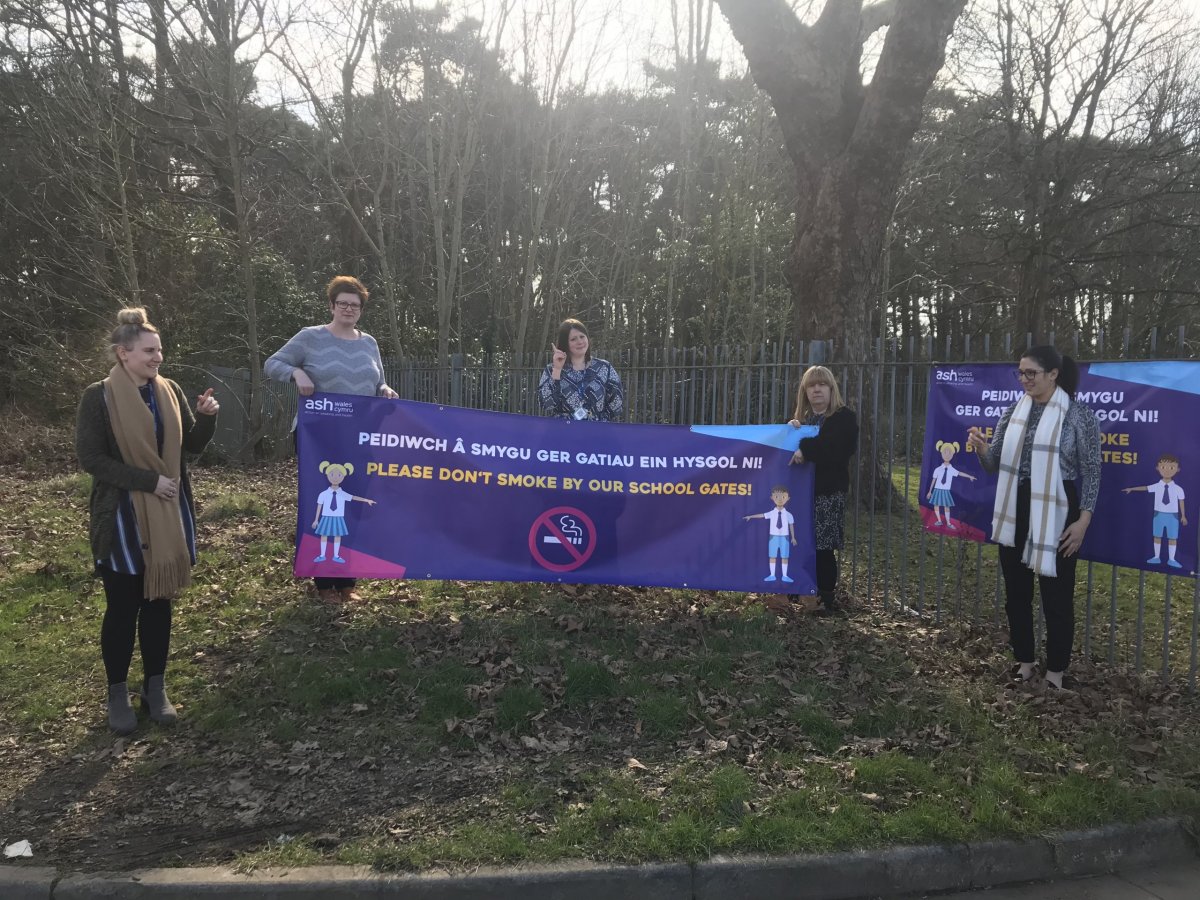
St Aloysius Primary School won a portrait created by artist Nathan Wyburn of environmental campaigner Sir David Attenborough made from cigarette butts collected on Welsh beaches after tweeting a photograph of its Smokefree Schoolgates banner. It was among 140 schools across Wales to join the Smokefree Schoolgates campaign, which is aimed at preventing people from lighting up outside schools to protect the environment and de-normalise smoking in the eyes of children.

The campaign supports the launch of recent Welsh Government legislation which bans smoking inside school grounds.

Year two teacher Hayley Jones told us why the school was keen to support the campaign by putting up a Smokefree Schoolgates banner: “As a school we are big on teaching the children about wellbeing and the importance of leading a healthy lifestyle.

“Our school is very close to a park where people smoke and often drop cigarette litter right outside the gates. This new banner will send a message to the wider community that we don’t want this litter and we don’t want our children to see this behaviour outside the school.”

To support the campaign the school is keen to teach its pupils about the impact of smoking on people’s health and used No Smoking Day as an opportunity to get the message across.

Hayley explained why she thinks children are never too young to start learning about the effects of smoking:

“It’s also about changing children’s perceptions of smoking. Some children’s parents smoke at home so for them it’s the norm. On No Smoking Day we spent time teaching the children about the effect of smoking on the body and they were really shocked. It really sparked something in them and there were conversations about how they would go home and tell their parents to stop smoking because they didn’t want them to become unwell.

“We feel smoking is often overlooked in lessons about wellbeing for children at primary school. But it’s really important to teach them about it early so that when they move on to secondary school, they are less likely to be influenced by peer pressure to try smoking.”

The portrait of Sir David Attenborough, which is made up of cigarette butts collected on Welsh beaches by Keep Wales Tidy, will now take up pride of place in the school hall, providing a great talking point for when the children gather for assemblies again.

ASH Wales is continuing to campaign for measures to address youth smoking prevalence in Wales. Currently 8% of 15-16-year-olds in Wales smoke weekly and an estimated 6,000 children take up the habit every year. According to ASH Wales’ latest YouGov survey 81% of current adult smokers took up the habit aged 18 or under.[/vc_column_text][vc_single_image image=”13763″ img_size=”800×400″ onclick=”custom_link” img_link_target=”_blank” link=”https://www.helpmequit.wales/”][/vc_column][/vc_row]

Leading Child Health Experts To Discuss Tackling Youth Smoking In Wales

Leading health experts will meet today to discuss how to tackle youth smoking prevalence in Wales.

Around 6,000 children take up smoking every year in Wales and 9% of 15 to 16-year-olds smoke weekly – a figure that has not fallen since 2013.

At today’s Wales Tobacco and Health Network (WTHN) event  ASH Wales will call for urgent action to tackle the problem and to prevent today’s children from become the next generation of adult smokers, with its latest research showing that 81% of adult smokers in Wales first took up the habit aged 18 or under.

It has gathered a panel of child health experts to find ways to tackle the issue, chaired by Baroness Finley, Chair of the Commission on Alcohol Harm, who was responsible for bringing the first private members’ bill that led to smoking being banned in public places in Wales in 2007.

The panel will explore a range of solutions including raising the age of sale from 18 to 21, a national education programme to teach children about the impact of smoking, tailored stop smoking programmes for further education colleges and pupil referral units and a crackdown on the illegal sale of tobacco to under 18s.

It will also call for the full implementation of the Public Health Wales Act (2017) which would make it illegal to hand over tobacco products to under 18s and would lead to the setting up of a tobacco retail register in Wales.

Youth smoking prevalence is highest in the most deprived areas of Wales and plays a key role in causing the stark health inequalities that exist across the country. According to the latest SHRN (School Health Research Network) survey of 103,971 students in Wales, children from more deprived backgrounds were twice as likely to smoke as those from affluent homes and were 12% more likely to have tried their first cigarette before the age of 13.
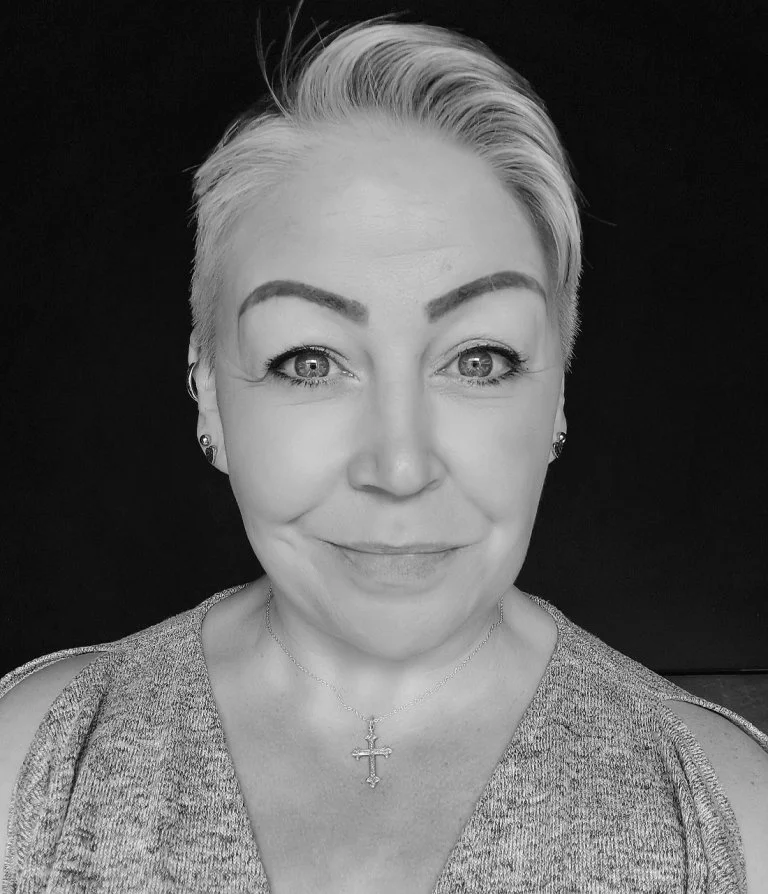
WTHN panel member Professor Graham Moore is Deputy Director of Health Public Policy, DECIPHer (Cardiff University) and has carried out extensive research into health inequalities in childhood and adolescence. His team has led the SHRN survey for five years.

He described the role smoking plays in health inequalities among children and young people and why it’s so important to tackle youth smoking prevalence.

“DECIPHer have studied young people’s exposure to tobacco smoke, and smoking rates, in various surveys in Wales since smoke free legislation in 2007. We’ve seen great steps forward in that time in reducing children’s exposure to other people’s smoke, while youth smoking rates are now at an all-time low.

“However, the past few years have seen a plateauing in the long term decline in young people’s smoking rates. Young people from poorer families remain more likely to grow up in environments where tobacco is bought, sold and used, and to take up smoking themselves. Further action is needed to reach those young people who continue to take up smoking.”

Andrew Cooksley MBE is part of the WTHN panel and is founder and CEO of ACT, Wales’ largest provider of training and apprenticeships. A survey of ACT learners found that 43% of them smoke, prompting the organisation to put a greater focus on educating young people about health and wellbeing.

Mr Cooksley said: “Three years ago,  I taught a class of 14 learners for the day.  Every single one of them went off for a smoke during their break. They came back with chocolate and crisps that turned out to be their breakfast. This was a real wake up call for me about the lives they lead and the impact this will have on their health.

“Last year ACT carried out a survey of its learners which revealed that 43% of them are smokers. As a result, we have put lessons about personal growth and wellbeing at the heart of the training we deliver.

“I believe that health and welling should be the backbone of every young person’s education in Wales. It should not just be a side issue that is dealt with as a tick box exercise in one or two sessions.
If nothing is done to support these young people to change their behaviour and tackle this addiction, they will grow up to be unhappy, unhealthy and expensive adults.

“We cannot afford to ignore this problem and to turn a blind eye to the high number of young people in Wales, particularly from deprived backgrounds,  who are already addicted to tobacco. There is an opportunity to reach young people before it’s too late and it’s crucially important that we find a way to do this through education.”

The WTHN panel will also include Dr Britt Hallingburg, Lecturer in Health & Wellbeing Psychology at Cardiff Met.

It will be chaired by Baroness Finlay, a doctor and professor of palliative medicine.  Baroness Finlay is an Independent Crossbench Member of the House of Lords.  She was responsible for bringing the first private members’ bill that eventually led to smoking being banned in public places in Wales in 2007.

“I Don’t Want You to Die, Mammy”: The Moment I Finally Stopped Smoking

Laura Mochan was just 13 when she smoked her first cigarette. What started as something that felt “cool” quickly became a lifelong addiction. As an adult, Laura was smoking up to 60 cigarettes a day. Last January, encouraged by her nine year old son, she finally quit, and says giving up has completely changed her life. To mark No Smoking Day 2021 and inspire others to take that first step, Laura shares her story.

I started smoking when I was just 13. Like many teenagers at the time, it was seen as the ‘cool’ thing to do with friends at the park or behind the school toilets. If you didn’t smoke, you stood out.

I didn’t even like it. I hated the taste, the smell, and the fear of my parents finding out. But it didn’t stop me. I have huge regrets now. I wish I had never touched a cigarette.

I began buying packs of ten, then quickly moved to 20 a day. Addiction crept in fast. Through my teens and twenties, I smoked a pack a day. By my thirties, life became more stressful, and smoking became even more ingrained.

My husband and I found out we were both infertile and our only chance of having a family was IVF .  Months of tests and fertility treatments followed. I was pretty much making my way through 30 cigarettes a day by that point.

Then we finally got pregnant with twins. I immediately wanted to stop smoking, but I couldn’t do it. I felt incredible guilt and I tried so hard, but I couldn’t. I did manage to get my habit down to around four or five a day. We then lost our son’s twin and the fight against increasing my habit weakened.

Soon after our son was born, I was smoking at least 20 a day – quickly up to 30  a day. A year later and our marriage broke down, I had PND, I was made redundant soon after, and our son had awful problems with colic and reflux and a very poor sleeping pattern. I was then getting through 40 cigarettes a day. It stayed that way for about 18 months until I found a new job and our son settled. I was down to around 15 to 20 cigarettes a day then (sometimes less).

Then, I lost both of my parents, two aunts, a cousin and our sixteen year old dog all in the space of five years after that. I easily smoked 40 to 60 cigarettes a day through this period. It was that or start drinking – even a prescription drug was on the table, but smoking helped just enough.

When 2019 came around it was three years since the last of the loss we suffered. I was comfortably smoking 15 to 20 a day. A few days before Christmas, my then nine-year-old son asked me to stop smoking, telling me it was an awful thing… smelly and very dangerous. He didn’t like that I would come in from the back garden ‘smelling like a dead animal’. I did feel guilty, and I seriously considered giving up (I had pondered it a few times, but I never truly properly tried).

I told him I would try… ‘Yes, absolutely… I will definitely stop soon’ I told him. He asked if I’d stop for Christmas and I heartily agreed.

Christmas came and went and nothing was mentioned. Thank God, I thought. And then two days before New Year’s Eve came around and he asked me again, only this time he made me promise. The kid didn’t even blink: “I don’t want you to die, mammy. Please stop doing it because it kills people and kids don’t have parents anymore.” My heart nearly burst; I had never seen him so solemn. Before I knew what I was doing, I made a promise to him that I would stop for the New Year. I meant it – I was going to try my best, anyway.

New Year’s Eve and I smoked my ‘last’ cigarette around 11pm. The next morning, I was up the shop by 11am buying 20. I felt awful, the guilt was horrendous. I smoked one after the other on the way down from the shop. Two chewing gums and a hefty dose of body spray later and I was alright. I spent a few days like this, hiding out the back or down around the corner of the street to smoke. I had even made a big declaration on social media that I was giving up for New Year. I felt like a failure, which ironically made me smoke more.

The morning of the 5th of January 2020… he caught me. I quickly crept back in from the garden and he was standing there staring at me. I felt so sick. He started crying. Oh my God that look he gave me before the tears came, I will never forget it. And that was that.

I smoked my last cigarette early evening that day and I haven’t smoked since. I don’t break promises to my little boy, but I suddenly had, and it ruined me more than him. I did it cold turkey. My friend bought me patches, but they really didn’t do much to help.

The cravings were very intense for the first three or four days. I had the shakes, I was sweating, I couldn’t sleep, I couldn’t think straight. It was really hard, there is no denying that, but it wasn’t uncontrollable; I didn’t feel ill or depressed or have any major concerns etc. I just felt dreadful and drained – and desperate for a smoke. Three weeks later and the intensity had halved. Yes, I absolutely still craved one, but it wasn’t the only thing on my mind anymore. I was sleeping better, not shaking as much, my appetite was better than ever. Three months later and it was significantly easier again. The urge to smoke was popping in to my head at random times as opposed to with a coffee, after food, while I was on the phone, feeling stressed (they had been the worst times for cravings).

I was asked what I did to help with the cravings… I busied myself, popped a sweet in my mouth, a chunk of carrot or plum tomato or red pepper (I eat a lot healthier since I gave up, too). The cravings still come 14 months on, but they are few and far between now. It’s MUCH easier than it was to deal with and they last just a few moments before they’re gone. There have been a couple of times (on bad days) where I have struggled, but there is no way I will go backwards now.

It’s March 4th, 2021 now… 424 days, approximately 10,176 hours since I last smoked a cigarette. I also worked out that based on just 20 a day (sometimes more), I have saved an incredible £4282 – in a year and two months!? I honestly cannot tell you how I afforded to spend that on cigarettes?? It’s absolutely crazy!

I worked out the savings since quitting, and how much I could save by Christmas this year if I started actually saving £10 a day in a jar. It isn’t easy! I cannot justify taking a tenner out of the cashpoint every day just to put in a jar where it can’t be used. I am determined to do it, though: I managed to hand over that £10 a day to the tills in Tesco or the local corner shop… so this is no different – other than the fact that by December 1st (traditionally when I begin Christmas shopping), I will have £2750 to spend on gifts. I know it will be hard to take money out (that I can’t actually afford to take out!) to put in a jar, but like I said, I did it for YEARS, so…

I’ve come so far and worked so hard to get to where I am. I am smoke free, my lungs – while still damaged to an extent – no longer have to fight the effects of inhaling poison and the next few years will see my risk of heart disease and lung disease and Cancers of all sorts decrease dramatically. This by itself is reason enough to keep going.

Giving up smoking has had a knock on effect because I now know that I am way more capable than I thought. Taking yourself away from an addictive drug is not easy, not at all, and you have to want to stop. That was one of the barriers for me, looking back. My son was my inspiration, but looking at what actually goes in to a cigarette and the damage it can quickly do to your organs (some of it is irreparable) was a real eye opener. To think I willingly inhaled deadly poison for 30 years is mind bending to me now. Never again. I wanted to stop and I still do. I am very proud of myself for it.

My advice to smoking thinking of quitting is that you have to want to stop so looking up the ingredients of a cigarette is a good place to start. Then do a little research into the diseases and the multiple horrifying ways in which smoking can destroy your organs and soft issues. Think about the people who need you to be fit and healthy; most of us have at least someone who needs us, depends on us, loves us. I will add that I can taste my food better and that is a good thing as I learned to really enjoy food for a few months after I quit. I am two stone heavier but I can lose that weight – if I can give up smoking I can lose a little weight no problem! I am now at a point where I can say ‘If I can give up smoking, I can do anything I put my mind to’. And it feels great. Even my mindset has changed and is more positive.

I will leave you with this. I have no will power. I rarely finish projects I start, I am annoyingly indecisive and I can be a real dizzy minx, so if I can give up smoking absolutely anyone can. Think of the people who need you and think of the money you have already wasted. Then think of what you are going to do with the huge savings you’ll make.

Children’s Commissioner and Minister back Wales’ No Smoking Day School Gates campaign

The Children’s Commissioner for Wales and the Minister for Wellbeing have jointly praised a national campaign banning parents from smoking at schoolgates in support of this year’s No Smoking Day.

Over 140 schools across Wales have pledged to take direct action to reduce smoking at schoolgates today (10/03/2021) by putting up banners and sending messages to parents.

The Children’s Commissioner, Sally Holland, said she is delighted so many have chosen to take part in the ASH Wales campaign.

Meanwhile Eluned Morgan, Minister for Mental Health, Wellbeing and Welsh Language said she is ‘determined children should see less people smoking’.

The campaign comes just days after it became illegal to smoke on schoolgrounds in Wales and will reinforce the message to parents, pupils, staff and visitors that smoking around children is no longer acceptable.

The legislation banning smoking inside school grounds came into force on March 1st and is the latest in a raft of measure to combat stubbornly high youth smoking rates in Wales where an estimated 6,000 children take up the habit every year.

In Wales 8% of 15 to 16-year-olds smoke at least weekly and according to ASH Wales’ latest YouGov survey, 81% of adult smokers in Wales tried their first cigarette aged 18 or under.  Currently 18% of the adult population of Wales smoke at a cost to the NHS of an estimated £320 million a year.

Speaking on No Smoking Day, the Children’s Commissioner for Wales, Sally Holland, said:

“I’m delighted to hear that so many schools have decided to take part in this initiative. Not only does it help to de-normalise smoking – an important step in lowering the numbers of young people in Wales who smoke – but it also helps to protect children from the harms of second-hand smoke.

“All children and young people have a right to good health under the UN Convention on the Rights of the Child. The harm to health caused by smoking, for both smoker and those around them, is something we should all strive to protect children from.”

Eluned Morgan, Minister for Mental Health, Wellbeing and Welsh Language, said:

“We recently made it illegal to smoke on school grounds, playgrounds and outdoor childcare settings. We are determined that our children and young people see less people smoking and increasingly think of it as an unusual habit.

“We want to accelerate the downward trend in the number of children and young people that start to smoke, helping them to live healthier lives.

“We remain committed to our longer-term goal of making more of Wales’ public spaces smoke-free and helping people of all ages to make positive changes to their health and wellbeing. Our HelpMeQuit services support smokers of all ages on their journey to a smoke-free future, including those under 18, and we would encourage all would-be quitters to reach out for support to significantly boost their chances of succeeding.”

ASH Wales is calling for more measures to tackle youth smoking rates and on March 22nd will host a meeting of child health experts chaired by Baroness Finley of Llandaff, who first proposed banning smoking in public buildings in Wales.

Among the measures it is proposing is raising the age of sale of tobacco from 18 to 21 – action favoured by the majority of adults in Wales according to the latest ASH Wales YouGov survey which found that 62% would support the move.  It is also calling for more tailored stop smoking support for young people in Wales, particularly in the country’s poorest communities where smoking prevalence is highest.

Suzanne Cass is CEO of ASH Wales. She said: “Youth smoking rates in Wales remain stubbornly high and we must do all we can to prevent the children of today from becoming the smokers of tomorrow.

“There is strong public support for additional measures to address youth smoking prevalence in Wales. Campaigns like Smokefree Schoolgates support the Welsh Government smoke-free legislation and ensure no stone is unturned in the fight to change children’s perceptions about smoking.”

CASE STUDY: Jenny Thomas is headteacher of Tredegar Park Primary School, one of the schools which has joined the Smokefree Schoolgates campaign. She described the problems caused by parents gathering to smoking outside her schoolgates:

“We have received several complaints from parents that there appear to be groups of parents smoking just beyond our schoolgates.

The caretaker has politely asked them to stop smoking or to move away from the gates. The response has generally been negative where they will say that they are not on school property and that they can do as they please on council property. Many forms of communication have gone out to ask them to stop in order to protect our school community.

It is important to stop this from happening so that my families feel safe as they come into school and leave school. A school shouldn’t be a place where people are worried about inhaling smoke. We have many entrances into the school so we have decided to put banners on all the gates. We have done this to remind people that it is not acceptable.

We have tried for years to stop this from happening. I hope that it will support us in some way. I genuinely believe that the children give the best messages to parents. If our children see the signs and know that it shouldn’t happen, they will tell their parents. We are hopeful that our parents will learn from our children.”

John Griffiths, AM for Newport East and chair of the Cross-Party Group on Smoking and Health added:

“I am pleased to again support ASH Wales’ “No Smoking Day” initiative. The new legislation that has just came in around the banning of smoking on school grounds is a really positive step and will reduce the likelihood of our children and grandchildren being affected by the harms of second-hand smoke.

It’s great that a number of schools in Newport have got on board with this campaign and it shows their commitment to our ambitions of a smoke-free Wales.”