Superstar quitters – 5 celebrities who have given up smoking

If you need inspiration to quit smoking this New Year. Then read about five superstars who have successfully kicked the habit.

Robbie Williams

Robbie Williams finally quit smoking at the start of this year after several failed attempts. The 44-year-old singer, said he quit because he wanted to be around longer for his wife and two children. He said that since giving up he’s been working out more and making healthier life choices.

Keith Richards

Rock star Keith Richards said he found cigarettes harder to give up than heroin when he quit aged 75. The Rolling Stone said at the time: “Quitting heroin is like hell, but it’s a short hell. Cigarettes are just always there and you’ve always done it. I just pick ‘em up and light ‘em without thinking about it.”

Jennifer Anniston

Friends actress quit smoking 7 years ago after two decades of lighting up. She credits the power of yoga for her successful quit attempt. According to Anniston, relaxing yoga exercises helped to keep her cravings at bay.

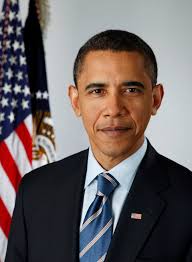
Barack Obama

It was the influence of his wife Michele Obama that proved instrumental in the former US president’s decision to quit smoking. At a UN meeting in 2013 he was overheard telling a delegate he has given up smoking because he was scared of his wife Michelle Obama. He originally started smoking as a teenager and tried to give up during the 2008 presidential campaign.

Adele

Adele gave up smoking 4-years ago over fears of dying as a result of her habit. According to media reports the Hello singer turned to hypnosis to help her deal with her nicotine cravings.  She had been told by doctors to give up smoking or face losing her singing career, after losing her voice completely and having to cancel concerts as a result of her 20-a-day habit.

The New Year quit smoking survival guide

THE start of a new year is traditionally a time when many smokers decide to give up the habit. For some it will be the first time they embark on a quit attempt. For others, it will be the latest in a long line of quit attempts.

Whether you’re a first-time quitter, or someone who is determined to crack it this time round, you’ll probably be filled with trepidation about the journey you’re about to embark on. This is perfectly understandable. It’s not easy giving up an addiction like smoking and the thought of living without cigarettes fills many people with dread.

However, it’s important to remember that there are multiple benefits to giving up – benefits that far outweigh any negative side effects. And while the cravings and irritability you may experience are merely temporary, you will enjoy the positive benefits of giving up for the rest of your life.

There is no one size fits all approach when it comes to stopping smoking. Some people prefer using nicotine replacement therapy, whilst others benefit from behavioural support. What we do know however is that going ‘cold turkey’ and quitting using will power alone, are three times less likely to successfully quit compared to those who use a combination of nicotine replacement therapy and behavioural support to give up the habit.

It’s very important therefore to find out what support is available to help you to quit smoking. The best way to do that is to contact Help Me Quit, the free smoking cessation service that is available from NHS Wales by calling 0800 085 2219.

For those who have attempted to quit smoking before, it may be worth considering using a different method this time around and to think about avoiding the triggers that derailed your quit attempt last time.

Before embarking on your New Year quit smoking mission, it could beneficial to tell close family, friends and colleagues what you are about to do so they understand in advance why you may be feeling grumpy or avoiding certain social occasions. It’s particularly important to ask smokers not to light up around you.

Have a plan in advance for how to distract yourself once cravings start. Some people find exercise very helpful or mindful activities that focus the mind, such as cooking, gardening or completing a puzzle.

Most importantly, once you stub out what will hopefully be your last cigarette, you put away any smoking paraphernalia you have lying around your home, such as lighters, ash trays and packets of cigarettes. Anything left around could lead to temptation and it only takes one cigarette to break your resolve completely.

Lastly, we at ASH Wales want to wish you a huge good luck. And if you do manage to quit we’d love to hear your story. Get in touch by emailing communications@ashwales.org.uk

Expert Tips on How to Quit Smoking From John Dicey

To help smokers quit during Stoptober we asked stop smoking experts for their top tips on how to give up John Dicey is Global CEO & Senior Therapist for Allen Carr’s Easyway stop smoking method. After quitting smoking, having smoked 80 cigarettes a day, John Dicey was inspired to help others do the same. He was trained by the late Allen Carr in 1998 and went on to treat more than 30,000 smokers face to face. John and Allen worked with smokers in 50 countries and worked on a series of books together which have sold 15 million copies worldwide.  He revealed what inspires him to help smokers and his advice on how best to kick the habit.

What are the biggest challenges smokers face when trying to quit the habit?

 There are probably a few – most of which fall into the category of ‘misinformation’. As a smoker I tried to quit smoking so many times but never succeeded in doing so for more than a few hours. Yet even for those few hours it felt like absolute torture. It never occurred to me that as long as I got my mindset right it could actually be easy and painless. Those experiences feed into the misinformation about how hard it is to quit and how you have to ‘tough it out’ on willpower alone. “Actually, one of the challenges is understanding that we don’t smoke because of the habit – habits are easy to break – we smoke because we’re addicted to nicotine. The real challenge then is to understand how in spite of it being an addiction – it is still easy to break free.”

Is there anything they should do to prepare themselves before giving up?

Choosing the right support is really important. When people use Allen Carr’s Easyway method it’s important not to attempt to cut down or control your smoking before quitting. Cutting down just makes cigarettes seem more precious – so our advice is always to carry on smoking as normal until you stub out your final cigarettes. Advice differs for other methods – so my #1 advice would be to follow the instructions of whatever method you use.

What in your opinion is the best method for giving up smoking?

Well, I’m clearly biased because I know that Allen Carr’s Easyway to Stop Smoking is the best method and even before I became involved with Allen Carr I’d always recommend it to my friends and colleagues. Generally though – it’s always reassuring to listen to what worked for other people – and there are other methods that people can choose.

Is it best to give up gradually or to stop straightaway?

It’s really important that you follow the instructions and guidance for whatever method you decide to use. Cutting down can make it harder to quit. It’s akin to when you go on a diet – within minutes you’re dying for the cake and biscuits you’ve just committed to not having. With the Allen Carr method we actually encourage smokers to keep smoking throughout the seminar/book until they’re happy to stub out their final cigarette. It helps us to cover every aspect of smoking before they decide if they’re ready or not.

What tips do you have for those quitting smoking on how to control their cravings?

Cravings are physical feelings – but it’s important to remember that they are generated by a thought process. If when you quit you think “I want a cigarette” knowing that you can’t have one – you feel miserable, uptight, anxious, and angry. It’s a horrible feeling. The longer you resist the urge to smoke – the worse the feeling gets. But if you stop smoking realising that you’re getting rid of something, rather than giving it up, you don’t have to put up with that “I want a cigarette” thought and physical reaction. It doesn’t take any willpower to “not do” something that you don’t want to do.

How can those quitting smoking best cope with withdrawal symptoms?

The actual physical withdrawal pangs from nicotine are really mild – almost imperceptible – it’s the physical reaction to the mental craving that causes all of the discomfort. As long as your mindset is right – withdrawal really shouldn’t bother you. I went from 80 cigarettes a day to zero and barely noticed any withdrawal at all.

How quickly will smokers realise the benefits of a smoke-free life?

“Wow – it happens really quickly. Within 24 hours of quitting smoking you’re half as likely to suffer a heart attack. Noticing the changes can take time so it’s best not to wait for them to happen. Yet all of a sudden the steps at the railway station don’t seem to wind you so much and for super-fit smokers athletic performance is noticeably improved within days. The greatest effect of being free is noticeable immediately. Not being controlled by the addiction is wonderful from the start – choosing when to go for a break rather than being obliged to go for a break because you’re desperate for a cigarette. You notice so many differences in that regard that it only then dawns on you exactly how controlled by the drug you were”

Swansea GPs Sign-Up to New Stop Smoking Initiative

A group of Swansea GP surgeries are to take part in a new initiative to help local residents quit smoking.

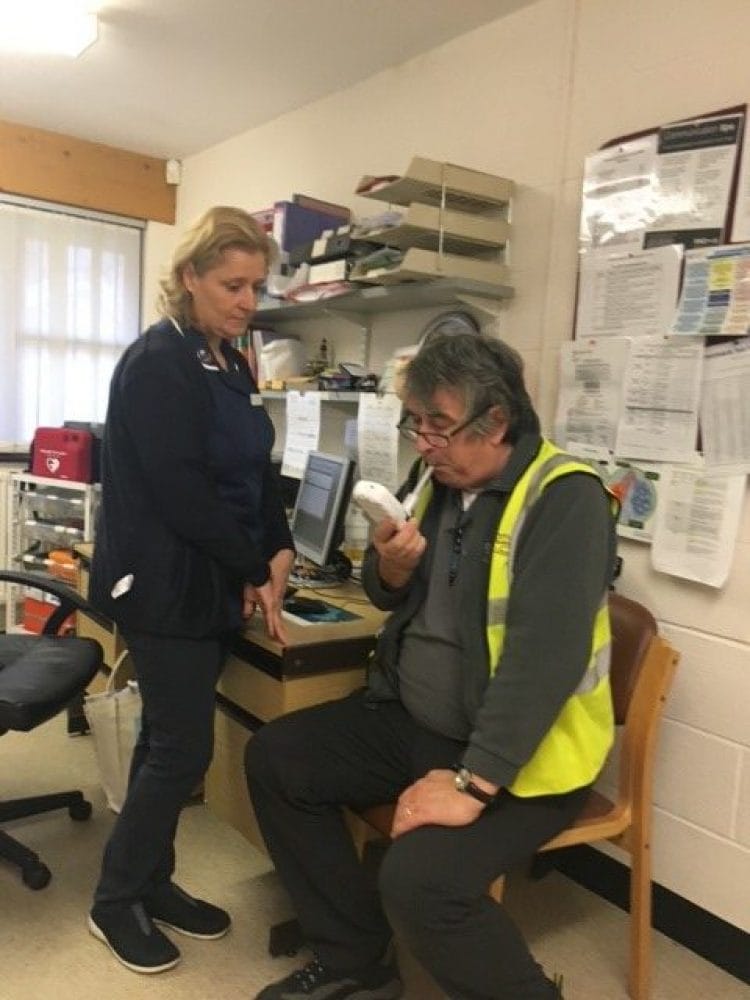
Supported by tobacco control campaign charity ASH Wales Cymru, doctor’s surgeries from the Bay Health Cluster area of Swansea have received CO monitors which record the levels of smoke in a person’s lungs.

Armed with these monitors, doctors and other healthcare professionals will be able to identify, support and motivate their patients who smoke to quit for good.

The smoking rate among Welsh adults stands at 19%, meaning around 580,000 people are addicted to this deadly habit. Currently only 1.3% of Welsh smokers attend the NHS’s free service, Stop Smoking Wales. A further 1% try to quit smoking via their doctor, pharmacist, or similar provision however these stats fall well short of the Welsh Government’s target of 5% annually.

Chief Executive of ASH Wales, Suzanne Cass, said: “We’ve very proud to be launching this new initiative here in Swansea. It’s vital we give smokers every opportunity, such as a trip the doctor’s, to get advice and support that could help them quit.”

“We know you’re 4 times more likely to quit smoking with support than if you go it alone. With these CO monitors, it’ll make it much easier for doctors and nurses to show would-be quitters the levels of dangerous smoke in the lungs and hopefully encourage them to quit.”

Dr Kirstie Truman, the Lead GP for the Bay Health Cluster, said: “Bay Health are really excited to be supported by ASH Wales in this venture. We know that smoking causes cancer, other lung problems and heart disease. The promotion of smoking cessation is essential if we hope to reduce patient’s chances of developing these fatal diseases. Allowing patients to see the level of carbon monoxide in their lungs will hopefully prompt them to seek replacement therapies and stop smoking.

Eight GP surgeries are involved in the scheme; Gower Medical Practice, Kings Road Surgery, Sketty and Killay Medical Centre, St Thomas and West Cross Surgeries, The Grove Medical Centre, The Mumbles Medical Practice, University Health Centre and the Uplands and Mumbles Surgery.

Research has shown that 70% of all smokers want to quit, but finding information and getting the right advice can be a crucial part of that stop smoking journey.

Confused about vaping? Scientists give their verdicts

Two of the UK’s  leading experts on vaping, Professor Peter Hajek and Jamie Hartmann-Boyce, answer your questions about whether e-cigarettes really are a safer alternative to tobacco cigarettes.

Peter Hajek is Professor of Clinical Psychology and Director of the Health and Lifestyle Research Unit at the Wolfson Institute of Preventive Medicine at Queen Mary University of London.

Jamie  Hartmann-Boyce is lead author of the Cochrane review on electronic cigarettes for smoking cessation and Senior Researcher at the University of Oxford’s Nuffield Department of Primary Care Health Sciences.

smaller

1)  In your opinion is vaping still a safer alternative to smoking?

JAMIE: Yes, vaping is still a less harmful alternative to smoking. Cigarettes are uniquely deadly, and all of the information we have so far suggests that vaping poses significantly fewer risks. People switching from smoking to vaping should use regulated products, and should not try to tamper with the devices or buy them off the street.

PETER:Yes of course. The recent spate of lung injuries in USA has been caused by a contaminant in bootleg marijuana products and has nothing to do with e-cigarettes used by smokers here.

2) Is vaping harmful in any way?

PETER: On current estimates, vaping is unlikely to pose more than some 5% of risks of smoking. This would still be an unnecessary risk for non-smokers, but there is no question that smokers who switch to vaping reduce risks to their health dramatically.

JAMIE: Vaping is not risk-free, and non-smokers should not start to vape. However, compared to smoking it carries a fraction of the risk.

 3) What advice would you give to vapers concerned about deaths linked to e-cigarette use in the US?

JAMIE: The deaths in the US are concerning, and a definite cause has yet to be identified. However, many of these cases are linked to vaping THC (marijuana vapes), bought off the street or via the black market. The US Center for Disease Control (CDC) has recently identified vitamin e acetate as playing an important role in these illnesses and deaths. Vitamin e acetate is not permitted in vaping products in the UK. Vapers concerned about US deaths should ensure they are using regulated e-cigarettes. The UK has more regulations in place than the US.

PETER: These cases are linked to contaminated illegal cartridges with a marijuana extract and have nothing to do with e-cigarettes that are used by smokers in this country.

4) Research has been published in the European Heart Journal linking e-cigarettes to cardiovascular issues. How concerned should vapers be about that?

PETER: The authors detected two effects. In human smokers, nicotine from e-cigarettes produced a typical acute stimulant effect, also seen after drinking coffee, that on its own signals no danger. In mice and in tissue samples, acrolein, a chemical that can be generated when e-liquid is fried, had more damaging effects. This however is not relevant for human vapers. Frying e-liquid produces this chemical, but this also produces aversive taste that vapers avoid. Human vapers have acrolein levels that are the same as in non-smokers and much lower than in smokers. A British Heart Foundation study conducted at University of Dundee has now been published showing that smokers who switch to vaping have significant improvements to their cardiovascular health within four weeks!

JAMIE: Vapers should not be concerned about that article – it was a small study over a small period of time, and showed expected acute effects of using nicotine (a stimulant). More recently, a larger, longer term study was published that showed improvements in vascular health after smokers switched to vaping.

5) How effective is vaping as a smoking cessation tool?

JAMIE:There is a growing body of evidence that vaping helps people quit smoking. People using vaping to quit smoking should seek support from a stop smoking advisor to give them the best chance of quitting for good.

PETER: E-cigarettes have helped many smokers quit and as the product is developing and improving, it is likely to help many more.

6) Can vaping be as addictive as smoking?

JAMIE: The addictiveness of an e-cigarette depends on many different things about the e-cigarette itself. Overall, though, evidence suggests vaping is less addictive than smoking. Smokers considering switching to vaping should not worry about becoming addicted to vaping, as being addicted to vaping poses far fewer risks than being addicted to smoking.

PETER: So far, very few non-smokers have become regular vapers.

7) Is it safe for non-smokers to vape?

PETER: Becoming dependent on vaping or nicotine is not a healthy option. Also, even 5% of risks of smoking is still a risk. If you are a non-smoker, it is best to avoid e-cigarettes. However, if you are a smoker who does not want to or cannot quit, this is something you should definitely try.

JAMIE: Vaping is not risk free and non-smokers should not vape. Vaping is a way for smokers to quit smoking and improve their health. In non-smokers, there is not a benefit of vaping.

8) What advice would you give to any smokers who want to quit using e-cigarettes but are concerned about the potential risks?

JAMIE: All the evidence we have suggests vaping is much safer than smoking. Make sure you use a regulated product sold from a retailer you trust, and if you can, also get support from a stop smoking advisor. Your GP can help you get in touch with one. People should switch entirely from vaping to smoking, and stop using cigarettes altogether. Remember that nicotine helps people stop smoking, and is not the cause of the illnesses seen in the US. Do not worry about using e-cigarettes with higher doses of nicotine – this may be what you need if you are a heavy smoker.

PETER: If you are finding quitting difficult, this is something that may well prove to be a useful aid.

Leading charities join forces to call for target to eradicate smoking in Wales

Three leading charities have joined forces to urge Welsh Government to set a target for eradicating smoking in Wales.

Plans for a tobacco end game target should form part of Welsh Government’s new Tobacco Control Plan, according to ASH Wales, Cancer Research UK and the British Heart Foundation (BHF) Cymru.

They are calling on Welsh Government to set a target similar to that set in England where there are plans to reduce smoking to 5% of the population by 2030, and Scotland which aims to become a tobacco-free nation by 2034.
So far Welsh Government is just 1% off its current target to reduce smoking prevalence to 16% of the population by 2020 with 17% of Welsh adults now smoking. Now the time has come, say ASH Wales, Cancer Research UK and the BHF, to finish off the job.

Speaking ahead of the Cross Party Group on Smoking and Health at the Senedd where AMs will discuss the Tobacco Control Plan, ASH Wales CEO Suzanne Cass, said:

“We have come such a long way in reducing smoking prevalence across Wales and now we have an opportunity to close the chapter on it completely.

“Ultimately we are working towards a smoke-free Wales as this is the only way to address the devastating health inequalities caused by this terrible addiction.
“Smoking remains the biggest cause of early preventable death in the country, yet it continues to be taken up by 30 young people in Wales every day.
“We are calling on Welsh Government to set an end game target that will focus efforts on providing cessation support to the remaining 467,000 smokers in Wales and preventing young people from taking up the habit.”

Adam Fletcher is head of BHF Cymru. He said:

“It’s crucial that Wales doesn’t become the only part of the UK which doesn’t set a clear target to end smoking. Around 1,000 heart and circulatory disease deaths in Wales are attributed to smoking each year.
“Making Wales smoke free will help reduce health inequalities and we would welcome a commitment from Welsh Government to achieve this by 2030.”

Andy Glyde, Public Affairs Manager for Cancer Research UK, said he believes steps that could be taken to meet the target could include more support for hospital patients that smoke and a campaign to raise awareness of stop smoking services.

“Smoking is the biggest preventable cause of cancer in Wales so an ambition for a smoke free Wales is a crucial step towards better public health.

“There’s been good progress in reducing smoking in recent years and we know that people who receive support through services like Help Me Quit are more likely to be successful.
“This is why continued investment in these services is essential. More could also be done to alert people to the support available and so a mass marketing campaign would be helpful.
“To accelerate progress, new approaches also need to be considered, such as offering support to hospital patients who smoke.”

Across Wales 467,000 adults currently smoke with prevalence in the most deprived areas, at 21% compared to 13% in the least deprived.
Among teenagers 9% of 15 to 16-year-olds smoke, a figure that has remained unchanged since 2013/14, with 30 young people taking up the habit every day.
Smoking costs the Welsh economy £790.66 million a year and leaves the NHS with an annual bill of £302 million.

John Griffiths, AM for Newport East, is chair of the Cross Party Group on Smoking and Health:

“Smoking is still the biggest cause of preventable mortality and health inequality in Wales. It is vitally important that community-based actions at grass roots levels have the financial support they need to effectively help people quit cigarettes for good.
Following the targets set by UK Government to end smoking in England by 2030, Welsh Government have an opportunity to achieve a smoke-free Wales and by setting a target date, would be able to incorporate these ambitious and achievable aims as part of the next Tobacco Control Plan for Wales.

“I look forward to continuing to work alongside ASH Wales Cymru and members of the CPG on Smoking to seek robust action points we can take to Welsh Government to help improve smoking cessation and make Wales a smoke-free country.”

The Smoking and Health Cross Party Group takes place on Tuesday November 26.