

Welsh Smoking Rates Fall but Health Gap Widens

New health statistics released today (Thursday 29th June) show the number of smokers in Wales is at a record low of 19%, with a significant decrease in the most affluent areas.

The National Survey for Wales – previously known as the Welsh Health Survey – is an annual survey of the health and wellbeing of more than 10,000 residents.*

The Welsh Government target of 20% smoking prevalence by 2016 has been surpassed, however health inequalities between the least and most deprived people in Wales are increasing.

Smoking rates among the ‘least deprived’ stand at 9%, versus 28% among the ‘most deprived’ – representing a 19% difference and an increase of 1% on last year. The difference between Local Authorities is vast too; the lowest smoking prevalence rate being 14% in Cardiff, Ceredigion and Monmouthshire whilst Neath Port Talbot is the highest at 25%.

The survey also shows that 64% of all smokers would like to give up and 44% have tried. Suzanne Cass, Chief Executive of ASH Wales Cymru, said: “Thanks to a decade of progressive tobacco control policies, more than 80% of the Welsh population are now smokefree and this is fantastic news.

“However, it is concerning to see the health inequality gap between the ‘haves’ and the ‘have nots’ is widening. We need to specifically target those ‘hard to reach’ groups where smoking levels remain high and tailor services, messaging and campaigns to support and capture these groups who have not yet been reached.

“The next target of 16% by 2020 is ambitious and there is much work to be done to ensure we reach this next milestone.”

Other results show 7% of people are current users of e-cigarettes; nicotine-containing devices and the majority of these are smokers who are trying to give up.

“We are happy to see that increasingly more people are taking steps such as using an e-cigarette to move away from deadly cigarettes. Research shows these devices are 95% safer than traditional cigarettes and we fully support their use to get people off tobacco, which kills one in two of its long-term users,” Suzanne Cass continued.

* These smoking prevalence rates are based on just 1 year of data and so the sample sizes for some of the LAs are quite small and this may impact on the accuracy of some of the figures reported. In addition, for the first time these 2016/17 smoking prevalence figures have been produced as part of the National Survey for Wales. In previous years the smoking prevalence figures were produced from the Welsh Health Survey. Given the change in survey methodology it is not possible to compare the 2016/17 smoking rates to those recorded in previous years.

Neath Port Talbot Primary School Gates Become No Smoking Zones

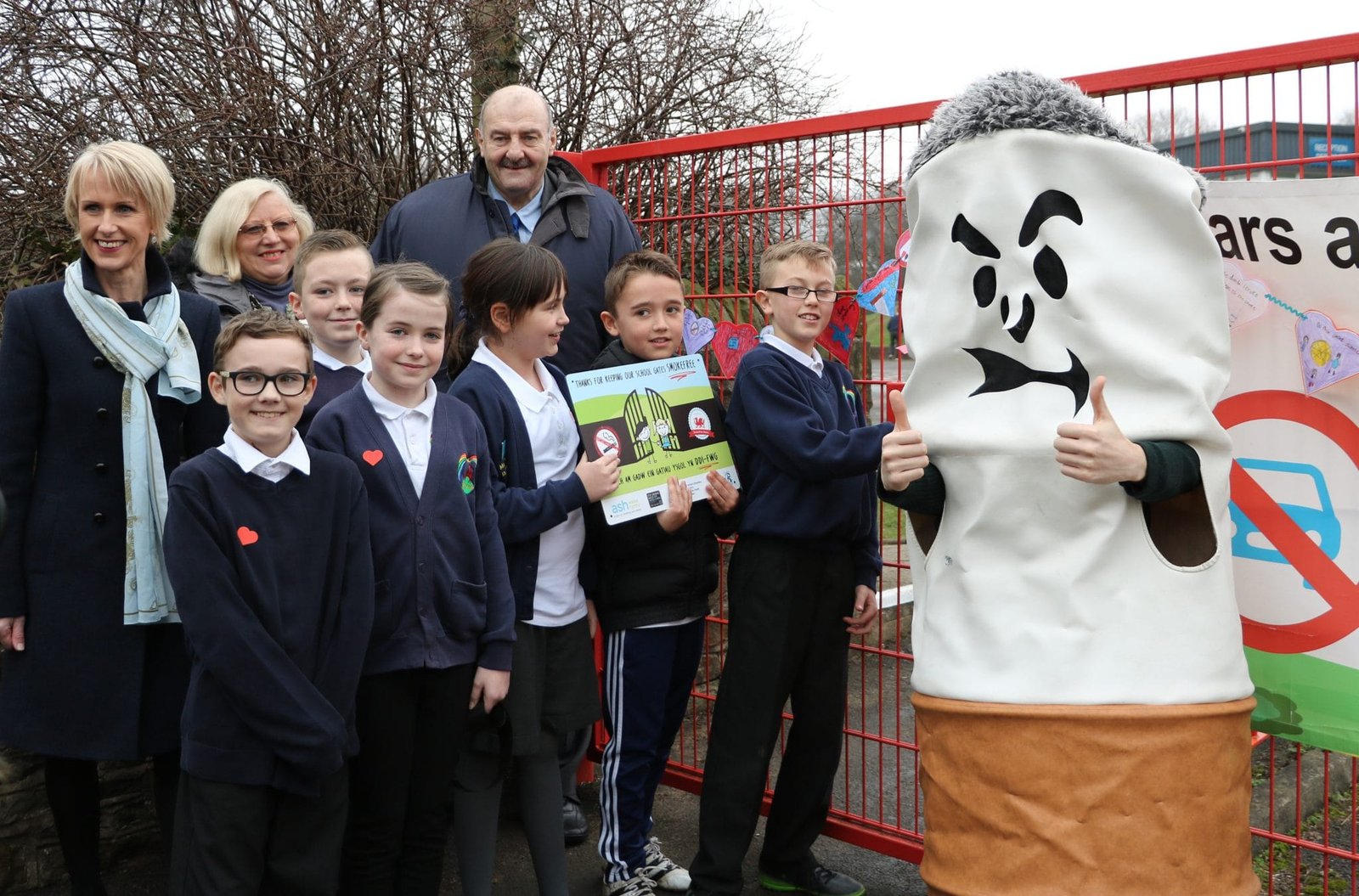
A ban on smoking has been launched at school gates across Neath Port Talbot, declaring them cigarette-free zones.

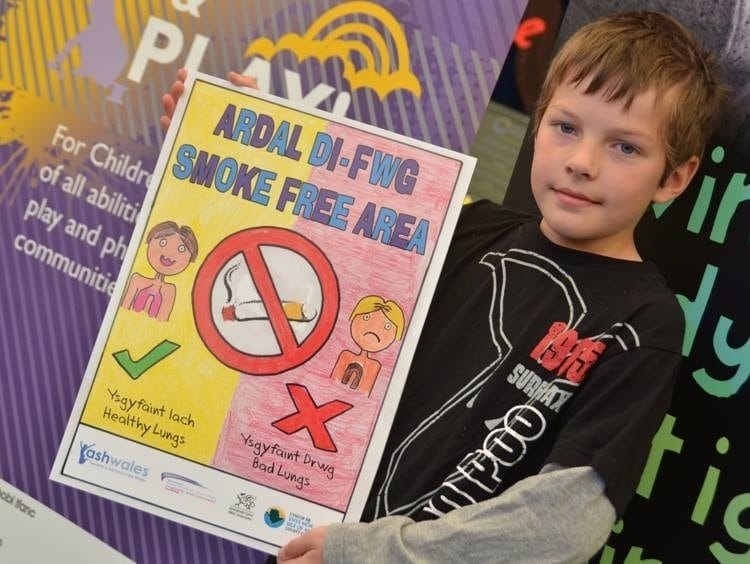
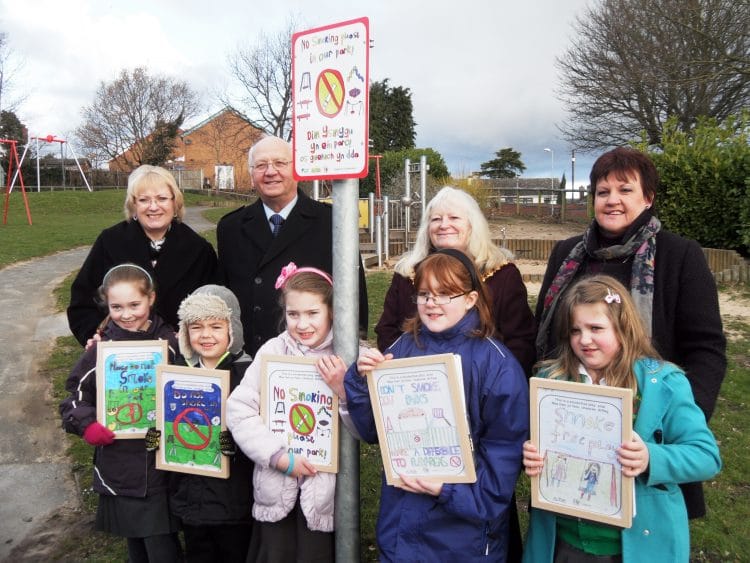
Tairgwaith Primary School kicked off the health initiative today (Friday 16th June) with all primary schools across the county following suit. Supported by Public Health Wales, Neath Port Talbot is the 11th local authority in Wales to join the ‘Smokefree School Gates’ campaign which is run by tobacco control charity ASH Wales.

Research shows young people are highly influenced by others smoking around them – those with a parent who smokes are 70% more likely to take up the habit.

Smokefree areas also protect from second-hand smoke whilst ‘denormalising’ the deadly habit. Almost half of long-term smokers begin smoking before leaving high school and among children who try smoking around a third become regular smokers within 3 years.

As part of the campaign, ASH (Action on Smoking and Health) Wales Cymru has created a supportive toolkit to enable other local authorities and schools – including comprehensives – to get involved with the scheme.

Suzanne Cass, Chief Executive of ASH Wales Cymru, said: “Smoking in areas which are created specifically for our young people sends them the completely incorrect message that tobacco is a harmless part of everyday life rather than a deadly and addictive drug. It is essential we set positive examples wherever we can – we do not want our country’s next generation to be the tobacco industry’s next customers.”

Suzanne continued, “We believe children and young people have a right to get an education, play and meet their friends in a clean, smokefree environment. Banning smoking at playgrounds and now school gates is a huge step in the right direction.”

Liz Newbury-Davies, Principal Public Health Practitioner for Abertawe Bro Morgannwg’s Public Health Team, said: “We’re very excited about the launch of smokefree school gates initiative in Neath Port Talbot. The normalisation of healthy behaviours is key in helping to ensure the best possible outcomes for our children and young people.

“Smokefree school gates will not only be beneficial to the health of the school population but will also positively impact on the environment. We are delighted to have worked in collaboration with Neath Port Talbot County Borough Council on this exciting public health campaign.”

The launch was attended by Neath Port Talbot CBC’s Cabinet Member for Education, Skills and Culture Councillor Peter Rees; ‘Ospreys in the Community’ team members (who involved pupils in fun, physical activities after the launch); and representatives from Wales’ new quit smoking service ‘Help Me Quit’.

Plain Packs and No More 10’s – New Tobacco Laws Take Effect

Branded cigarettes and packs of ten will no longer be on sale from this weekend as new laws controlling the look and size of tobacco products are fully enforced.

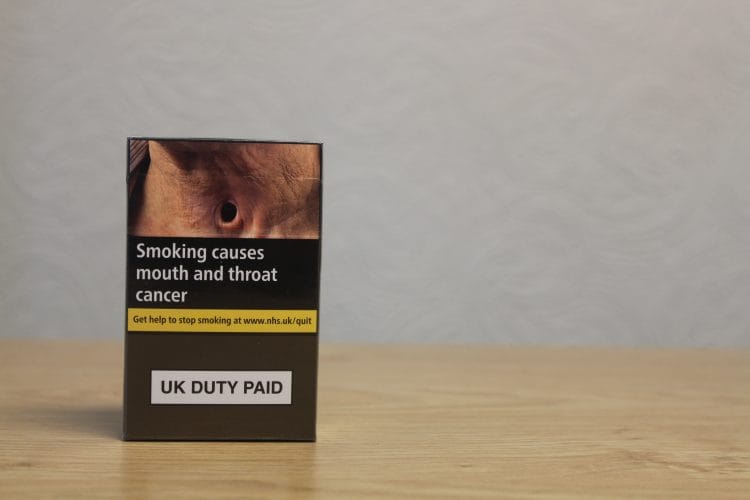
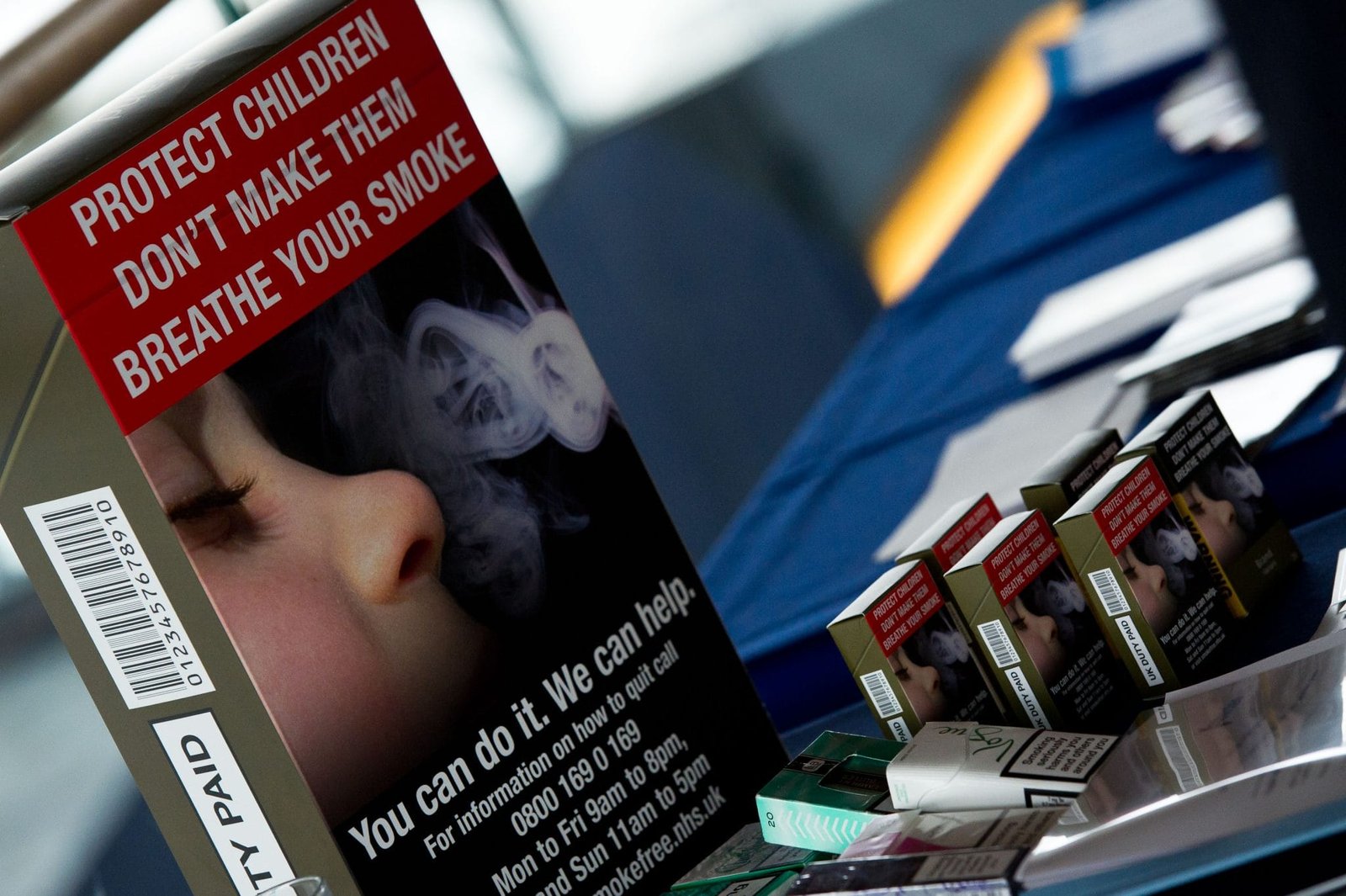
Only ‘plain’ packs, cartons of 20’s and 30 gram roll-your-own tobacco pouches can be sold as full bans on branded, attractive and small size packets take effect across the UK.

In May 2016 it became law for all tobacco products to be sold in a ‘standardised’ brown packaging. Retailers were given a one year transitional period to sell stock which didn’t comply with the new rules but this time ended on Friday (19th May 2017).

Plain packaging removes the tobacco industry’s last form of advertising and makes   smoking less appealing to children and young people. Large pack sizes make smoking more costly and this standardisation means the cheapest pack will be £8.82 – making them less affordable for young people.

All packaging must now be in the ‘world’s ugliest colour’ known as opaque couché and 65% of every product must be covered in pictorial and text health warnings. In addition to this, no branding is allowed other than the product name in a standardised font and no other trademarks, logos, colour schemes or graphics are permitted.

Research from Australia, who implemented the same plain packaging in 2012, has shown that consumers now perceive their cigarettes to taste worse, be of lower quality and were more likely to ask for help to quit smoking altogether.

Chief Executive, tobacco control campaign group ASH Wales Cymru, Suzanne Cass, said: “Existing smokers know which brand they smoke, the only reason cigarettes are made to look attractive is to appeal to new young smokers. Young people are the tobacco industry’s target audience – the next generation of smokers. Anything we can do to stop them from becoming addicted can only be a good thing.

“These standardised packs are very important – tobacco causes cancer and kills half of all long-term users. It is an “ugly” product that deserves to be sold in ugly packaging.”

Evidence from Australia also found a reduction in smoking of 0.5% up to one year after the policy was introduced; translating to 100,000 people no longer smoking, says the Australian Government. They attribute the decline specifically to plain packaging after taking into account the continuing drop in the numbers of smokers due to other tobacco control measures.

ASH Wales Welcomes New Laws Protecting Children from Smoking

New laws to protect children and young people from the harms of tobacco have been hailed as a major public health achievement by tobacco control campaign group ASH Wales.

The Public Health (Wales) Bill successfully passed in the Senedd today (Tuesday 16th May) following a final vote by Assembly Members.

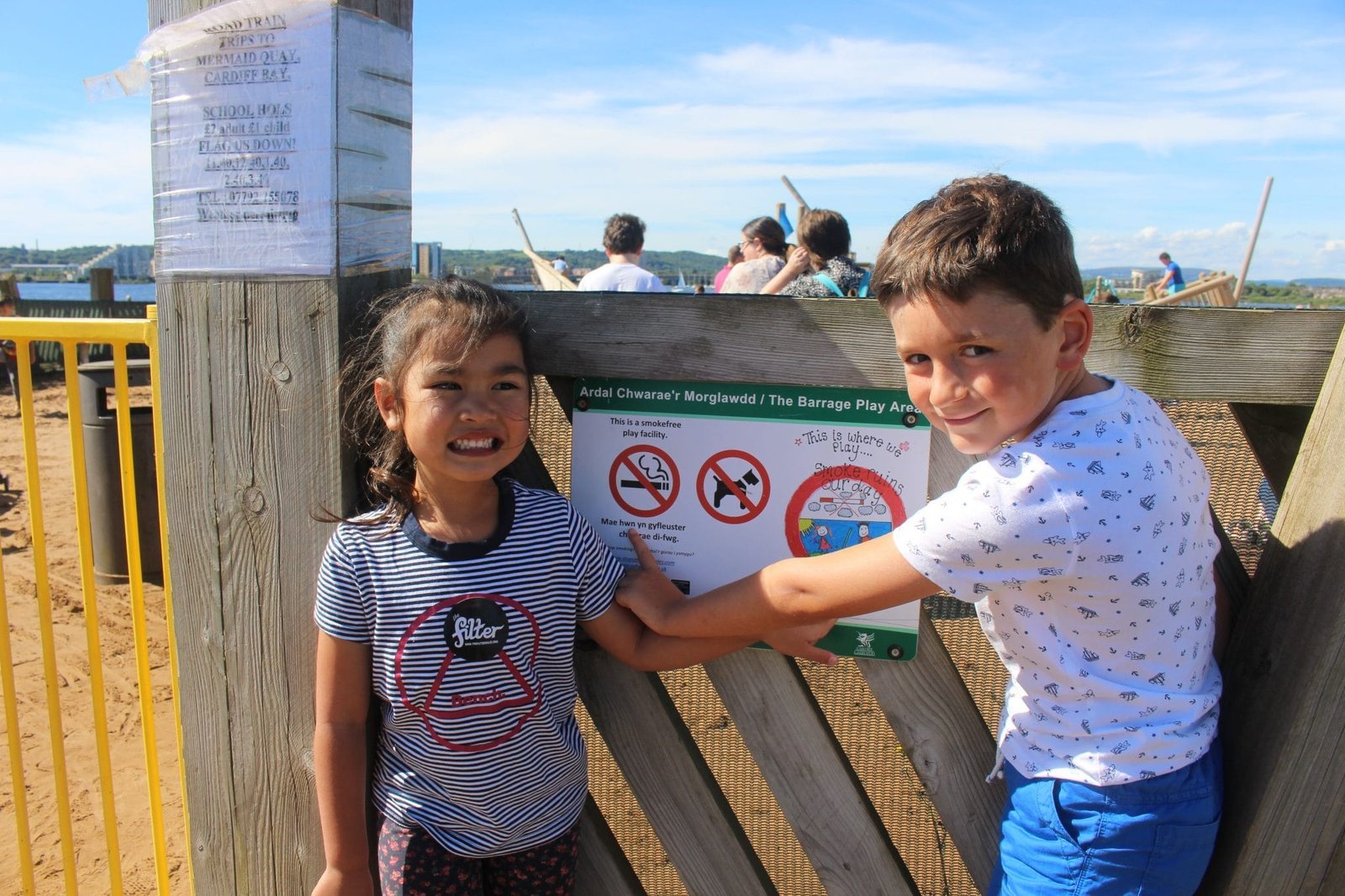
The new laws will restrict smoking in children’s playgrounds, school grounds and hospital sites and pave the way for a retail register of all tobacco sellers. The legislation follows a campaign by ASH Wales which persuaded every local authority in Wales to implement voluntary smoking bans in their children’s playgrounds and has seen 11 councils ban smoking at the gates of their primary schools.

Research shows young people are highly influenced by others smoking around them – those with a parent who smokes are 70% more likely to take up the habit. Smokefree areas also protect from second-hand smoke whilst ‘denormalising’ the deadly habit. Almost half of long-term smokers begin smoking before leaving high school and among children who try smoking around a third become regular smokers within 3 years.

Support for banning smoking at communal outdoor spaces such as these – especially those specifically created for children – remains high. A recent YouGov poll (2017) showed:

  • 71% agree smoking should be banned in hospital grounds
  • 61% agree with banning smoking in recreational spaces such as parks and beaches
  • An overwhelming 83% think smoking should be banned at children’s playgrounds, including 56% of smokers

One of the most powerful control measures outlined in the Bill is the creation of a national register of retailers of tobacco products. This will make it easier for retailers to be identified and monitored – helping to tackle the problem of illegal sales of tobacco to underage young people in Wales.

Suzanne Cass, Chief Executive ASH Wales Cymru, said: “This is a major public health achievement and it is absolutely fantastic news that Wales’ next generation have the chance to grow-up in a society where they can get an education, play and meet their friends in smokefree, clean environments.

“Smoking is an addiction of childhood with a classroom full of children taking up smoking every day in Wales. It is essential tobacco control measures tackle the issue of young people smoking or seeing this adult choice as a normal, everyday activity. It is essential we set positive examples wherever we can.

“The retail register will give enforcement agencies a clear idea of where tobacco is being sold and the increased restrictions will help drive down the sale of illegal tobacco. Illegal tobacco is sold at pocket money prices by sellers who don’t care about age restrictions therefore making tobacco more accessible to young people.”

The Bill has seen various health organisations such as Cancer Research UK, British Heart Foundation and ASH Wales work tirelessly over the past few years to provide strong evidence to support the tobacco control aspects which will become law following Royal Assent.

HMRC: Cardiff Shopkeeper’s Tobacco Fraud Goes Up in Smoke

A Cardiff shop owner who was caught with a quantity of illegal cigarettes, hand rolling tobacco and alcohol, has been sentenced at Cardiff Crown Court.

Alan Alias, 31, of Blackoak Road, was sentenced after he was investigated by HM Revenue and Customs. Alias’ shop and flats, in Clifton Street, were searched by Police and HMRC officers in February 2015.

Inside a locked bedroom of one of the flats, HMRC Officers found 26,873 cigarettes and 6.05 kg of hand rolling tobacco worth £9539.77 in unpaid excise duty and VAT.

Alias claimed that the tenant of the flat ‘Tony’ had just left minutes before Police officers arrived and that Alias was only in the flat because ‘Tony’ had invited him to dinner.

Alias said that he had never been inside that flat before and had no knowledge of the cigarettes and hand-rolling tobacco found in the bedroom even though Alias’ fingerprints were found to be on a cigarette box and plastic bags inside the bedroom.

When officers searched Alias he was also found to be carrying £4,110 in cash, which was seized.

Two previous visits to Alias’ shop by HMRC Officers resulted in seizures of illegal cigarettes, hand rolling and shisha tobacco and alcohol, totalling £6,441.08 in unpaid excise duty and VAT.

Alias was convicted and sentenced at Cardiff Crown Court on 9 May 2017 to 12 months imprisonment and ordered to pay a victim surcharge of £100.

ASH Wales Backs Calls for Smokefree Social Housing

Proposals by a leading health organisation calling for new social housing tenants to sign an agreement not to light up inside their home have been backed by tobacco control campaign group ASH Wales.

The President of the Faculty of Public Health, Professor John Middleton, has said there is a “real case” for providing smokefree housing where children are involved. Under the new plans only new tenants would be asked to sign up to the voluntary ban.

The move would follow a scheme in the US where public housing agencies will have to make their houses smokefree by next year.

The home remains the environment where exposure to second-hand smoke is likely to be at its highest, particularly for children. In 2014, 22% of children aged 10-11 reported living in households where at least one parent smoked in the home.

Social housing accounts for 17% of all households in the UK and many agencies already actively encourage residents to take their smoking outside and away from children. However, with the effects of passive smoking still resulting in 9,500 hospital admissions and 300,000 GP visits for children every year ASH Wales believes more needs to be done.

Chief Executive of ASH Wales, Suzanne Cass, said: “Support here is key. We know 68% of smokers want to quit and smoking is the biggest driver of health inequalities in Wales. We need a nationwide plan of action to encourage social landlords to develop strategies to promote healthier living specifically around smoking. We also need to ensure we have adequate stop smoking services to support those who want to quit.”

80% of cigarette smoke is invisible and can hang around for 4 hours – therefore opening a door or window, keeping smoking to one room, or smoking when people are not around makes minimal difference to smoke indoors.

Research shows children who grow up where one or more parent smokes are three times more likely to take up the habit themselves in later life. Children who breathe in second-hand smoke have an increased risk of asthma and coughs and colds, as well as cot death, meningitis and ear infections.

Last month NHS Wales launched their new cessation service, Help Me Quit, which offers free, tailored quit smoking advice, as well as face-to-face groups and information on nicotine replacements (NRT) such as gum, patches and e-cigarettes.