ASH Wales Welcomes UK Government Decision to Press Ahead with Standardised Packaging

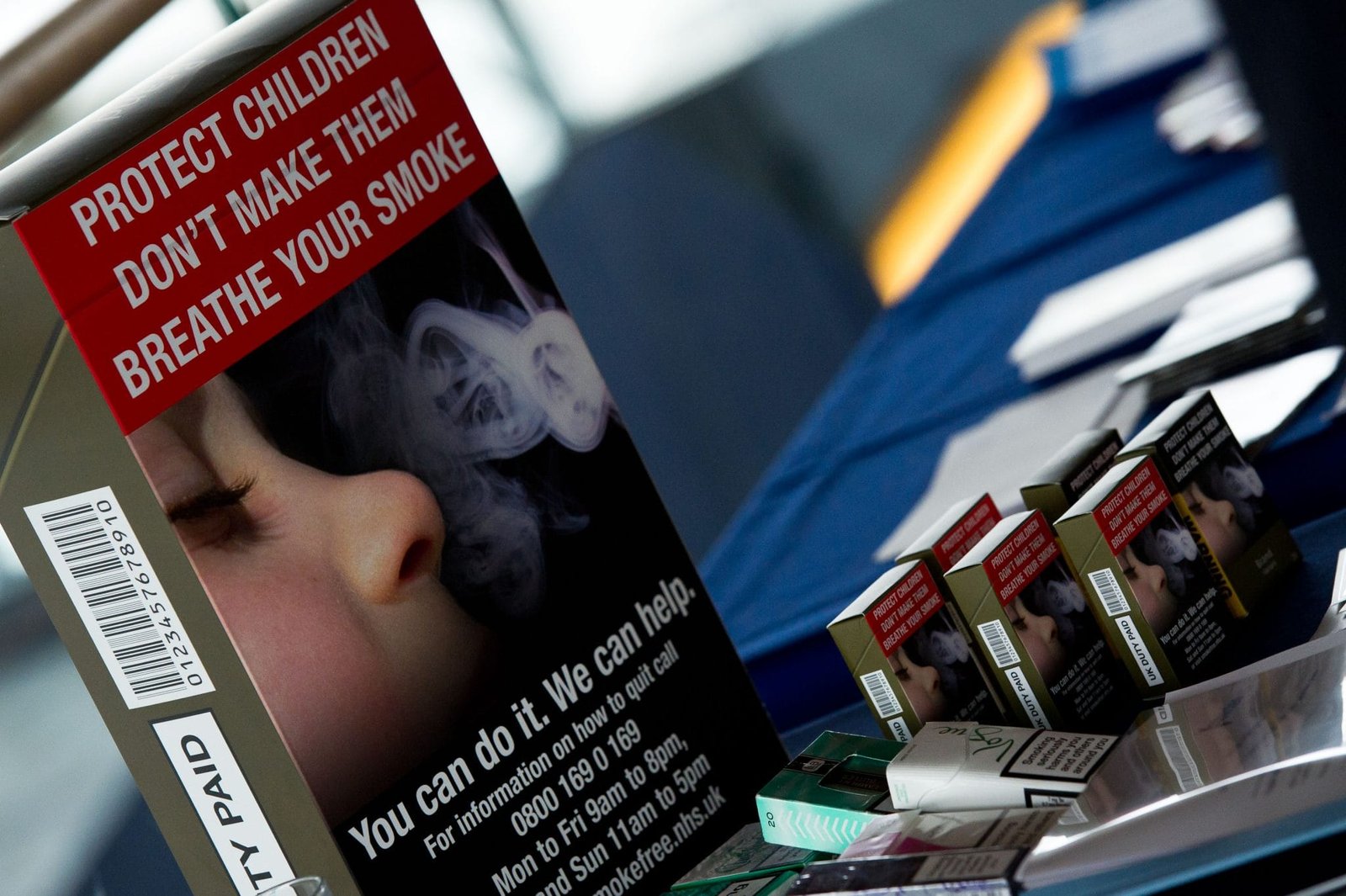
The UK government has announced that it is moving forward with plans to ban branding on cigarette packs.

The decision announced today followed the publication of an independent review by Sir Cyril Chantler which found that standardised packaging was “very likely to have a positive impact” on public health and in stopping children from starting to smoke.

The Chantler review has also concluded that standardised packaging need not increase the illicit trade in tobacco, rejecting claims from the tobacco industry. All the key security features on existing packs of cigarettes would be present on standardised packs (including coded numbering and covert anti-counterfeit marks).

The UK Government now plans to draft regulations for a final, “short consultation”.

“Bringing in standardised packaging in the UK will make attractive cigarette packs targeted directly at our young people history. Smoking kills and the time has come to take away the tobacco industry’s last form of advertising to our children.”

Elen de Lacy, Chief Executive of ASH Wales

Standardised packaging is popular with the public. A new poll by YouGov, published today and conducted for ASH Wales in March 2014, found that overall 66% of adults in Wales support or strongly support plain standardised packaging.

In November 2013, the Government announced that it had appointed the eminent paediatrician Sir Cyril Chantler to conduct an independent review into the public health impact of the standardised packaging of cigarettes and tobacco products. The announcement followed Parliamentary votes to include in the Children and Families Bill powers for the Health Secretary to introduce regulations on standardised packaging in England. The Scottish, Welsh and Northern Ireland Governments have also supported the policy.

Australia was the first country to introduce standardised packaging, in December 2012. Soon after standardised packs began to appear in Australian shops, smokers reported that they found cigarettes from plain packs less appealing or satisfying. Research showed that, compared with smokers who were still using branded packs, the plain pack smokers were 81% more likely to have thought about quitting at least once a day during the previous week and to rate quitting as a higher priority in their lives than smokers using brand packs. There was also a big increase in the number of people contacting smoking quit-lines following the introduction of the new packs.

More Than 11,000 Babies A Year Affected By Smoking During Pregnancy In Wales

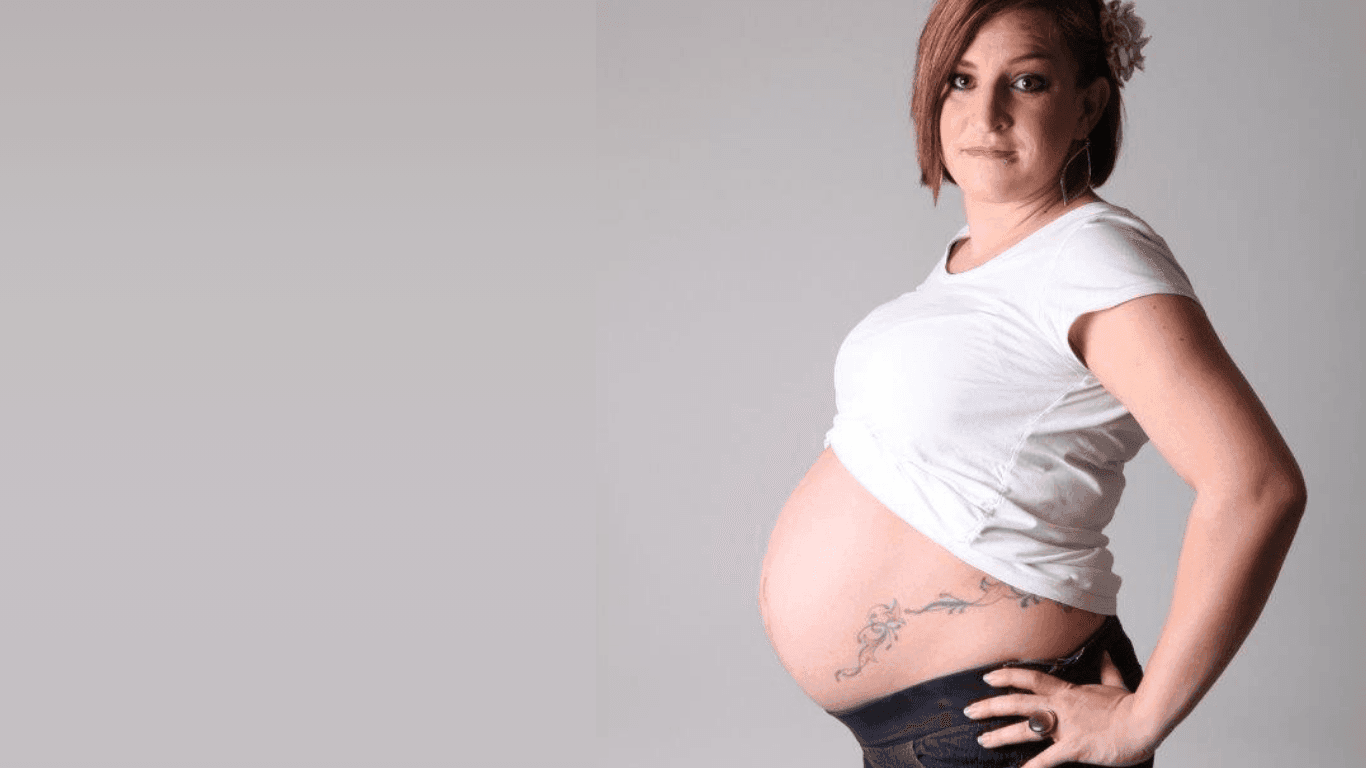
Wales has the highest rate of smoking during pregnancy in the UK which is putting thousands of babies’ lives at risk, health charity Action on Smoking and Health (ASH) Wales has warned.

33% of mums-to-be in Wales smoke at some point during their pregnancy – considerably higher than the UK average of 26% – exposing 11,864 unborn babies to harm from tobacco each year.

Smoking during pregnancy increases the risk of stillbirth, Sudden Infant Death Syndrome (cot death); premature birth; low birth-weight and miscarriage. Maternal smoking is also associated with a range of health problems throughout the baby’s life including asthma, birth defects such as cleft lip, ADHD and learning difficulties.

In Wales, one-to-one quit smoking support can be provided to pregnant women by Stop Smoking Wales, but rates remain stubbornly high.

As Mothers’ Day approaches this Sunday ASH Wales is calling for every midwife and health visitor in Wales to be trained to advise women about quitting smoking as part of their pre-registration training, in a bid to support more women through the process of giving up.

“It is a sad fact that Wales continues to have the highest rate of smoking in pregnancy in the whole of the UK. Giving up smoking is hard on its own but with the added pressures of having a baby it is doubly challenging, which is why extra support is vital for pregnant women to help them give up. Midwives and health visitors are able to build close relationships with women, at home and in the community, and are often the best placed to support women throughout their pregnancies and afterwards.”

Elen de Lacy, Chief Executive of ASH Wales

Four of Wales’s Health Boards have been piloting a new programme called the MAMSS (Models for Access to Maternal Smoking Cessation Support) project which uses different groups of staff such as midwives and maternity support workers to deliver intensive interventions in women’s homes or a setting of their choice in a bid to improve engagement with pregnant women.

It is hoped this project will inform the future direction of smoking in pregnancy services in Wales.

Samantha Paul from Bridgend gave up smoking when she was pregnant with her second child with support from the MAMSS project at Abertawe Bro Morgannwg University Health Board.

“I was smoking between 10 and 20 a day and knew I had to give up but I couldn’t do it on my own. The help I got from my midwife Julie was brilliant. She came to the house and really helped me through it. She told me that we would set a date to quit and helped me prepare all week for that day. I got an inhaler and patches and within two days I’d quit and I haven’t smoked since but she still calls me up to see how I’m doing. The readings on the carbon monoxide monitor used to scare me because of what was going through to the baby – the reading was 18 before but is now down to 2. Now I can’t even stand the smell of smoke!

“I would encourage other mums-to-be to just give it a go, but they need support and someone to help them through it. The MAMSS project has a great approach that’s so supportive. I’m really scared though of falling off the wagon especially after the baby is born with all the stress and worry of a new-born baby. I don’t want to smoke again but I I’m worried because that’s what happened after my first child was born. I think support for mums post-natal is just as important as before the baby is born.”

Samantha Paul

Welsh Young People “Stand Out, Speak Up And Seize Control” Against The Tobacco Industry

Youth groups from across Wales will be spending Wednesday 19th March creating events and activities as part of an international day of activism to speak out against the tobacco industry as part of Kick Butts Day.

Kick Butts Day aims to encourage young people to have their say against the tobacco industry by organising activities focussing on issues around smoking and tobacco use. Events on the day will include a school taking part in four workshops around smoking (Merthyr) and producing films about the effects of smoking (Butetown).

Young people taking part in Kick Butts Day last year in Wrexham

14,500 11 to 15 year-olds try smoking every year in Wales alone – that’s a classroom full every single day and that is why The Filter, ASH Wales’ youth project, is supporting groups from every corner of Wales to take part in this day of activism.

Emily Cole has been co-ordinating Kick Butts Day across Wales for The Filter project.

“Kick Butts Day is a real chance for young people to take control and speak out against the tobacco industry. Teenagers are ‘easy’ prey for the tobacco industry which needs to replace their dying customers, but Kick Butts Day encourages/empowers young people to say ‘No, we won’t be your next victims.’”

“It’s great to see so many young people wanting to get involved and buck the idea that they don’t care about their futures. Smoking-related diseases kill 5,450 people each year in Wales alone and if our younger generations don’t do something about it, like with Kick Butts Day, that number will can only rise.”

Emily Cole

ASH Wales Launches New Campaign Urging Smokers To ‘Quit For Wales’

Employers in Wales must to do more to help staff quit smoking, as major campaign launches to reduce smoking rates in Wales

Every employer in Wales must promote quit smoking support if the Welsh Government’s target of reducing smoking rates from 23% to 16% by 2020 is to be achieved, according to ASH Wales.

The call comes as a new campaign – Quit for Wales – is launched today by Action on Smoking and Health (ASH) in Wales ahead of the autumn rugby internationals.

The campaign will urge Wales’s 500,000 smokers to make a quit attempt and will call for more investment in smoking cessation services in the workplace, as well as more quit support for vulnerable groups such as pregnant women and people with mental health problems.

Nearly a quarter of people in Wales still smoke, including over 30% of those in routine and manual professions. Very few businesses in Wales offer smoking cessation support even though smoking severely impacts productivity through smoking breaks and workforce health.

Recent research by ASH Wales showed that £41m is lost every year to Welsh businesses through smoking breaks and a £49.5 m through excess sickness absence.

The Welsh Government wants to reduce smoking rates from the current 23% to 16% by 2020 – that means 25,000 people quitting every year in Wales – and that’s without anyone else starting to smoke.

The campaign, which will run for six months, will call for:

  • Every workplace in Wales to promote flexible quit smoking support to their employees. Over 30% of routine and manual workers currently smoke, a much higher percentage than the overall average.
  • All midwives and health visitors in Wales to be educated on smoking in pregnancy and receive brief intervention training as part of their pre-registration training. Currently 16% of pregnant women in Wales smoke throughout their pregnancy, the highest rate in the UK
  • All mental health providers to be trained in quit smoking support. In contrast to the decline in smoking prevalence in the general population in the last two decades, there has been little change in smoking prevalence among those with mental disorders in the same period

Elen de Lacy, Chief Executive of ASH Wales said:

“If we are going to reduce smoking prevalence in Wales and encourage more people to quit we have to invest in flexible and accessible services to ensure people get the right support. Workplaces in Wales have a vital role to play in bringing smoking rates down and can be supportive environments to quit, but employers need to give their staff the time and support to do it. We also need to ensure that professionals involved with vulnerable groups such as midwives and mental health service providers are trained to advise smokers, and signpost them to the right services.

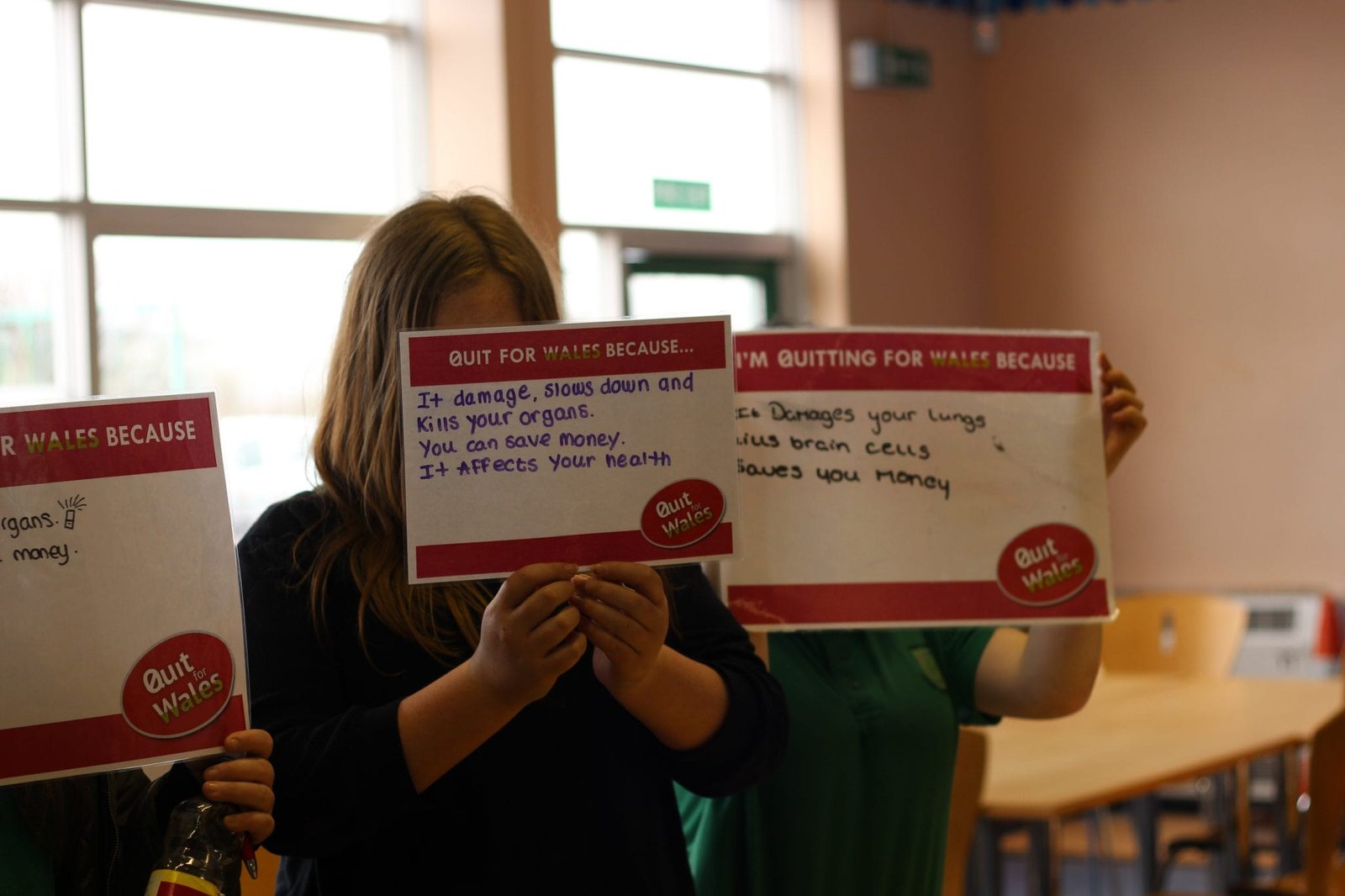
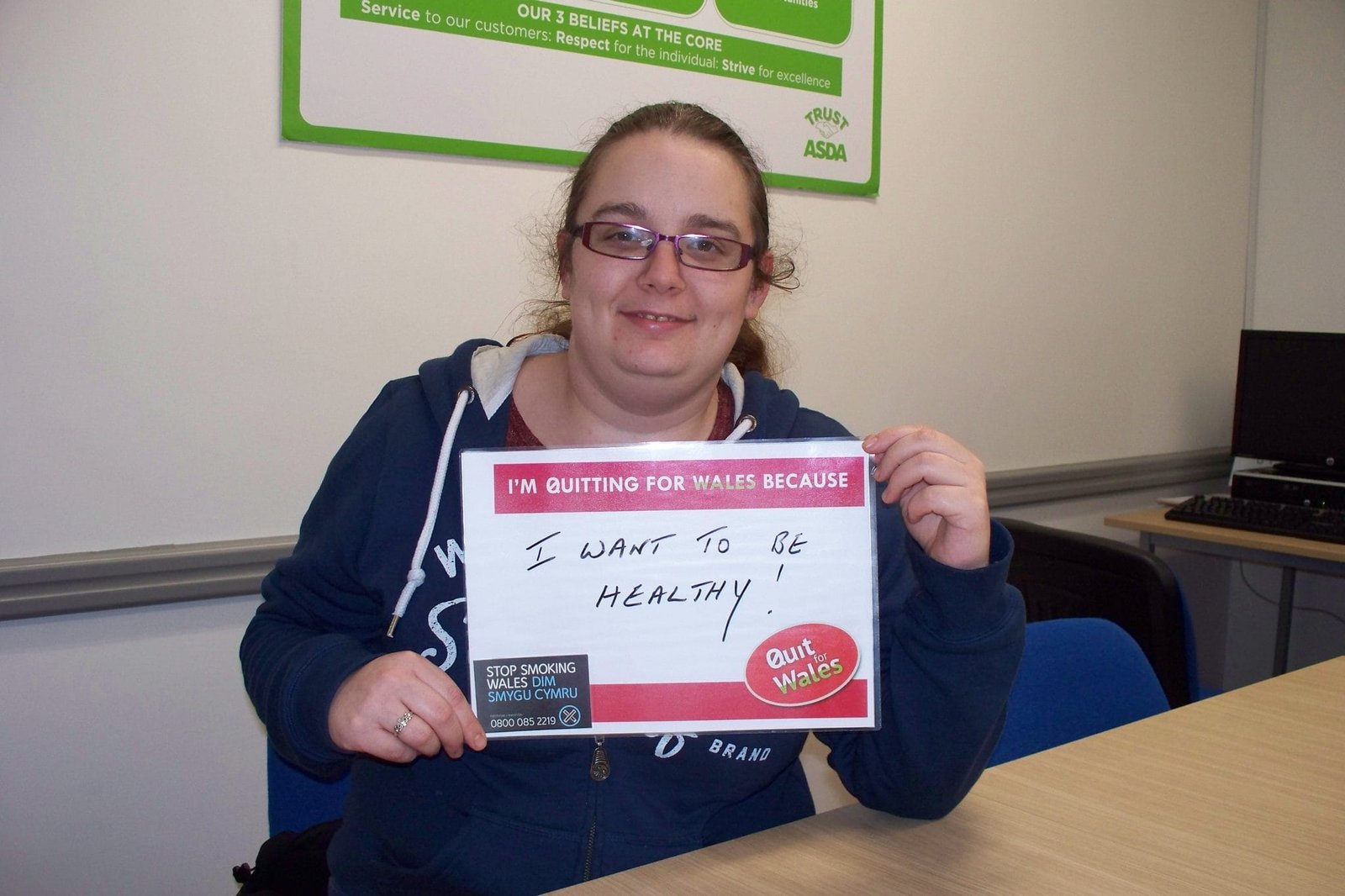
“As part of our Quit for Wales campaign we’ll be asking people to pledge to quit via quitforwales.org and share their reasons why to help motivate others. We know that 70% of smokers want to quit so we need to be providing more support to help them do it.

“As part of our Quit for Wales campaign we’ll be asking people to pledge to quit via quitforwales.org and share their reasons why to help motivate others. We know that 70% of smokers want to quit so we need to be providing more support to help them do it.”

A leading company based in Wales that is actively promoting quit smoking support in the workplace is GoCompare.

Kath Denton, Head of Organisational Development at GoCompare said: “A smoking cessation group was one of the original health and wellbeing initiatives we set up and we continue to recognise the difficulties that our staff members face in trying to stop smoking. To help them we provide free non-smoking resources for staff such as patches, gum, information packs, signposting and a free copy of Allen Carr’s Stop Smoking book.

“In addition, two members of staff (both ex-smokers) attended brief intervention for smoking cessation training in May 2013. This means they are now in a position to really be able to help staff who want to give up smoking by talking them through the various models and techniques available to smokers and refer them to ‘Stop Smoking Wales’ where possible. We also encourage ex-smokers to buddy up with those who are trying to quit, to increase their chances of success and provide an understanding ear when they need it most.

We also participate in National No Smoking Days and promote this actively within the company.”

Dr Patricia Riordan, Director of Health and Healthcare Improvement at Public Health Wales, said:

“We welcome this new campaign as it provides another great opportunity for smokers who want to quit and to do so with plenty of support and help from services such as Stop Smoking Wales.

“The benefits of being smoke-free are immediate, whatever your age. Within weeks your breathing and circulation will improve and the risk of serious illness starts to reduce.

Stop Smoking Wales offers free sessions for people across Wales and can provide valuable support to smokers who want to quit. Thousands of people contact the service every year, and with the help of Stop Smoking Wales you are four times more likely to quit.”
Businesses Across North Wales Urged To Help Staff Quit On No Smoking Day

Employers in North Wales are being urged to join the battle to bring smoking rates down this No Smoking Day (March 12th) by offering more workplace support to help their staff to quit.

ASH Wales’ Quit for Wales campaign has been calling on all businesses across Wales to offer quit smoking support for staff because workplaces can be supportive environments for smokers to quit. Many employers have already introduced ‘buddy’ systems, trained staff to become advisers themselves, or arranged quit smoking sessions during break times to help people give up.

Over 30% of people in routine and manual professions currently smoke.

ASH Wales and its youth project The Filter will be at Bangor University on Wednesday March 12th to promote No Smoking Day. As one of North Wales’s largest employers with 1,800 staff and 11,000 students Bangor University is keen to provide support to staff and students who want to give up smoking.

More than 110 workplaces now feature on ASH Wales’ Quit for Wales map including Kellogg’s in Wrexham, Stena Line in Holyhead and Iceland supermarket chain based on Deeside.

Workplaces in Wales have a vital role to play in bringing smoking rates down and have the potential to be really supportive environments to help people quit. It not only benefits workers’ health but also the companies themselves in terms of reducing the time and money lost through smoking breaks and sickness absence due to smoking-related illness.

“More than double the capacity of the Millennium Stadium need to quit if we are to reach the Welsh Government’s target of reducing smoking rates from 23% to 16% by 2020. That’s a big challenge but we know that 70% of smokers say they want to give up smoking so we need to provide the support they need in the community and in the workplace, not just in the health service, to help people do it.”

Elen de Lacy, Chief Executive of ASH Wales

Standardised Packaging For Tobacco Moves A Step Closer In Wales

Health charity Action on Smoking and Health (ASH) Wales has welcomed a key vote by Assembly Members which paves the way for legislation that would ban glossy tobacco packaging aimed at young people.

AMs voted to approve a Legislative Consent Motion tabled by the Welsh Government in the Senedd earlier today (21st January) which paves the way for standardised packaging to be introduced across the UK if an amendment to the Children and Families Bill is approved in Westminster at the end of the month.

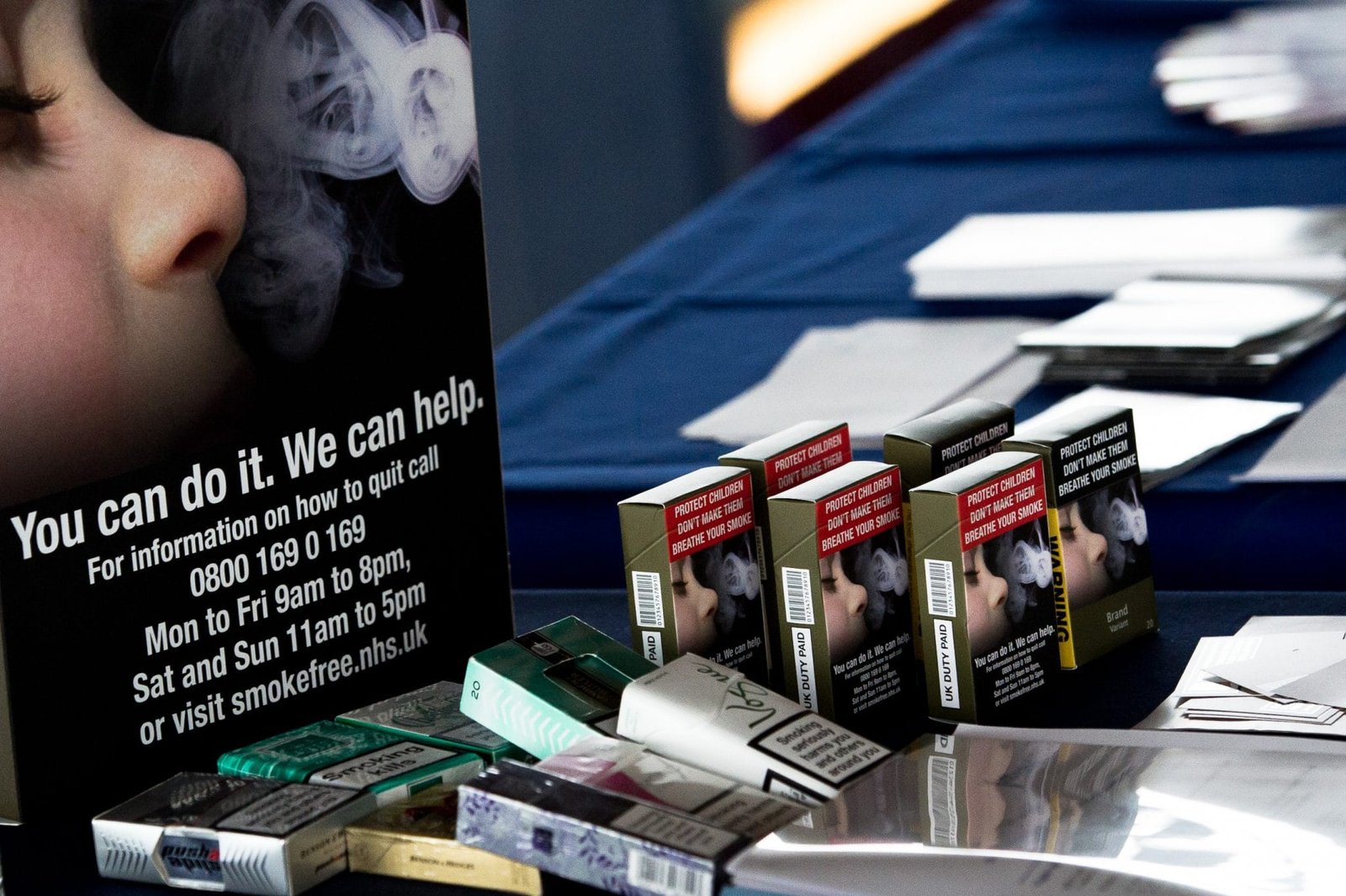
Legislation on standardised packaging would ban tobacco companies from using eye-catching packaging like these below to sell their product.

In Wales 16% of 15 year old girls smoke at least once a week compared with 11% of 15 year old boys. (WHO Health Behaviour in School aged Children survey 2009/10)

There is evidence that standardised packaging:

• makes tobacco packaging look less attractive to young people

• increases the effectiveness of health warnings

• prevents use of misleading colours to imply different strengths, and

• removes the cool imagery associated with certain cigarette brands

Australia was the first country in the world to implement standard packs in December 2012. New Zealand, Scotland and Ireland have also said they will follow.

A YouGov survey for ASH Wales in 2013 has also revealed that two thirds of the Welsh public now want to see standard packs for tobacco.

“This vote shows that there is cross party support for standardised packaging and takes us a step further in Wales to banning the last form of advertising by the tobacco companies.

“Young people we have spoken to around Wales have described current tobacco packaging as similar to chewing gum, perfume, posh tissues and even Lego. Tobacco is a lethal product and the marketing of such a product aimed at young people in this way should not be tolerated.

“There is no evidence that standardised tobacco packaging would increase the illicit trade as the tobacco industry would have us believe, as packs will still require the coloured health warnings, statutory information and covert markings which help to distinguish them from counterfeit products.”

Elen de Lacy, Chief Executive of ASH Wales