What does peer pressure look like? Sometimes it is obvious. Sometimes it looks more like a joke, a …

A year ago, disposable vapes had become hard to miss. They were in shop displays, coat pockets, school …
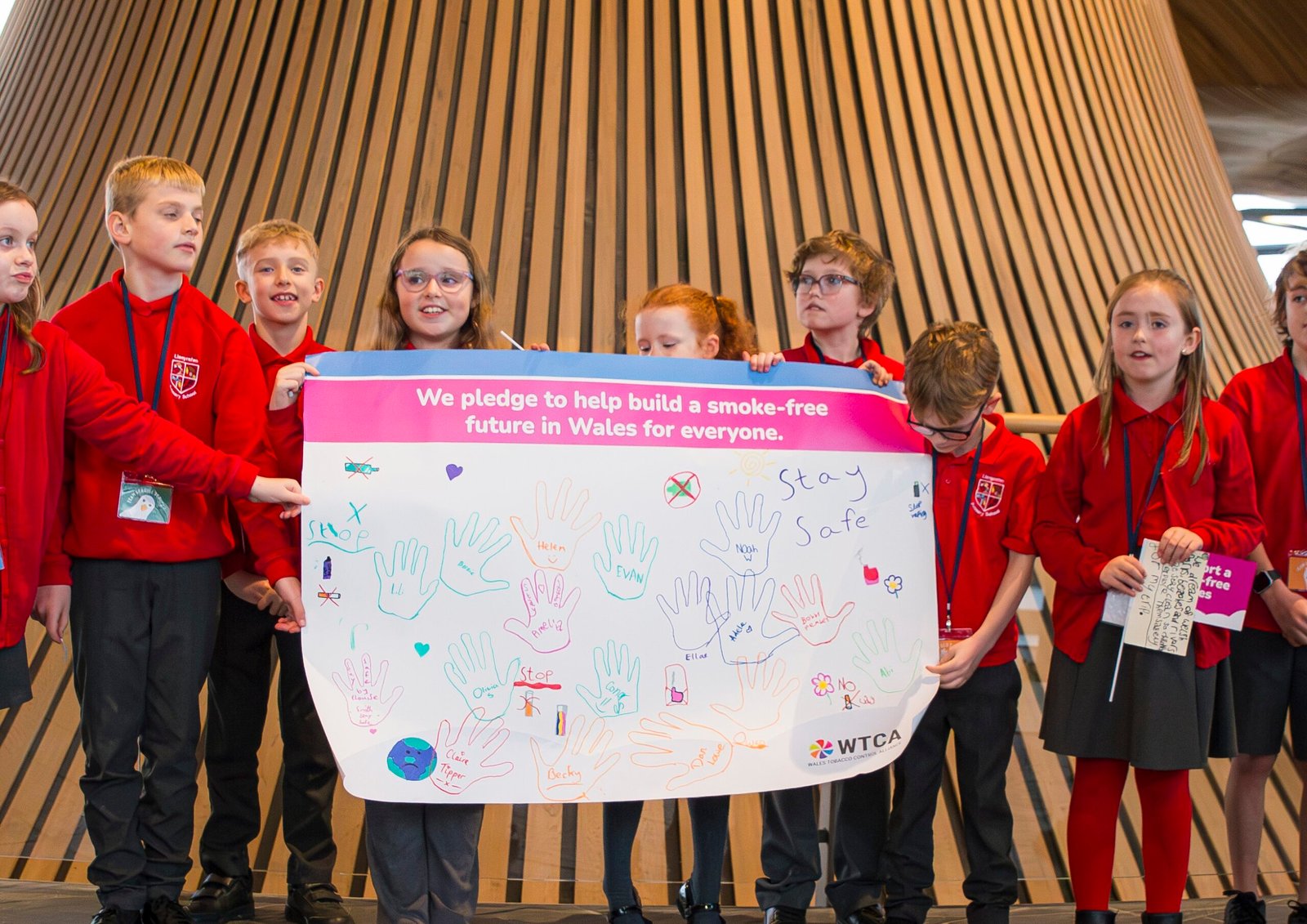
Wales’s leading tobacco control charity is today calling on all parties contesting the Senedd election to set out …

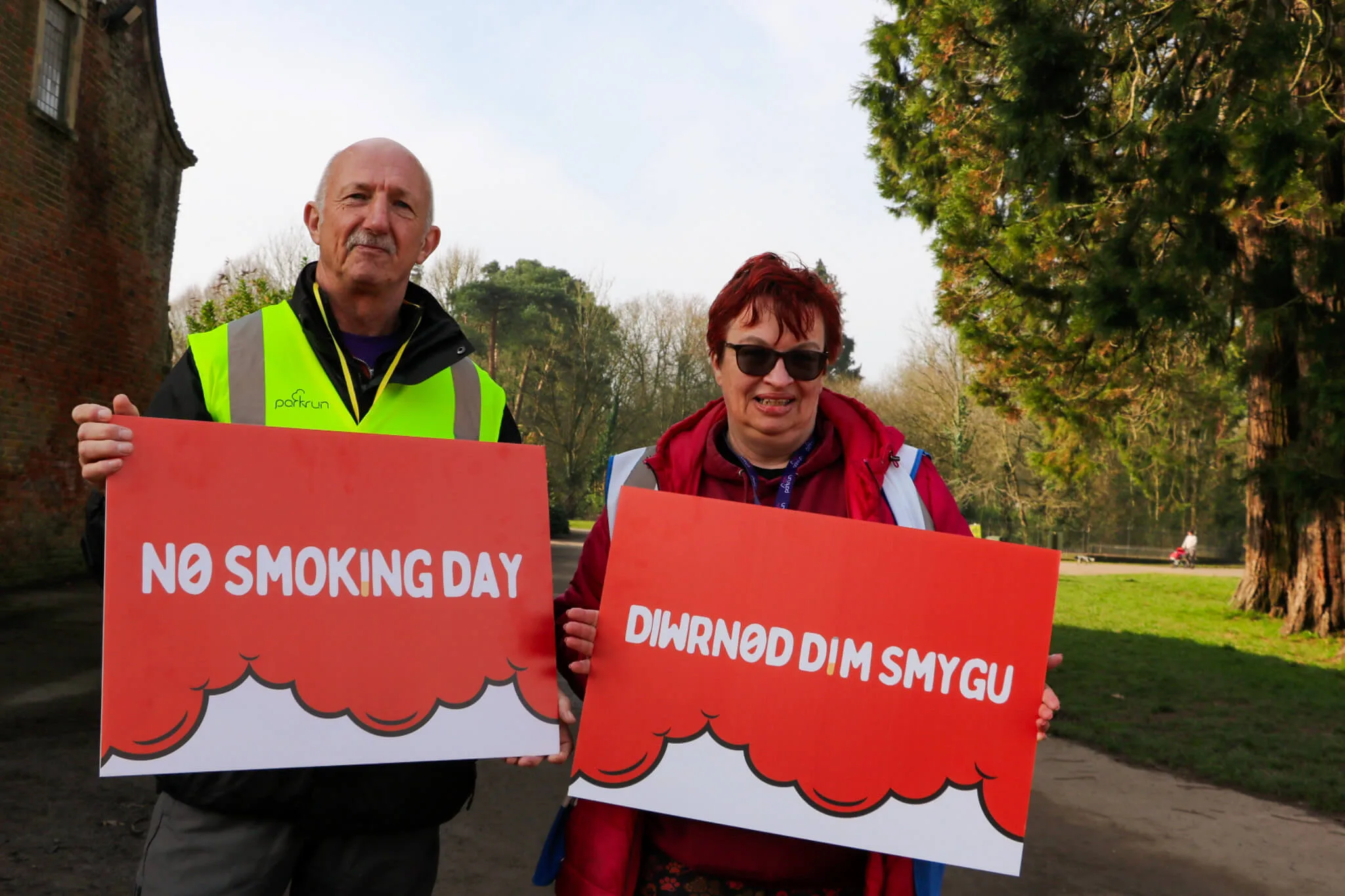
This No Smoking Day 2026, we are encouraging the estimated 260,000 people in Wales who smoke to consider …

Tiffany, 54, has lived in Cardiff all her life and now calls Llanishen home. She works as a …
John Weatherbed from Newport was just 14 years old when he smoked his first cigarette. Like many people …
Information / Health inequalities
Smoking has fallen across Wales, but the remaining harm is concentrated much more heavily in some communities and groups than others.
Last reviewed: 23 September 2026
QUICK ANSWER
Public Health Wales estimates smoking prevalence at 22.6% in the most deprived fifth of areas, compared with 6.8% in the least deprived fifth.
Different sources measure slightly different populations, so the exact percentages vary. The pattern is consistent: smoking is much more common in groups already facing greater disadvantage or poorer health.
Compared with 6.8% in the least deprived fifth in Public Health Wales’ 2026 cost analysis.
Compared with 17% of private renters and 7% of owner occupiers in the 2024–25 National Survey for Wales.
Compared with 8% of people with none of the listed conditions in the same National Survey release.
National Survey subgroup figures are estimates based on smaller samples than the headline Wales figure, so individual percentages carry more uncertainty. The wider pattern is more important than treating any one number as exact.
Between 2020 and 2022, Public Health Wales estimated an average of 3,845 smoking-attributable deaths a year among adults aged 35 and over.
In the most deprived fifth of areas, the age-standardised smoking-attributable mortality rate was more than three times higher than in the least deprived fifth.
Public Health Wales estimates that nearly one-third of all smoking-related costs in Wales fall in the most deprived fifth of communities.
That includes health and social care, lost productivity and wider costs.
There is no single explanation. Smoking is connected with a web of circumstances that often overlap.
Income, housing, work, stress, mental health, the people around us, how normal smoking feels locally and how easy support is to access can all shape smoking and quitting.
Survey figures show associations between these factors and smoking. They do not mean that one characteristic automatically causes someone to smoke.
Nicotine dependence is real, and the situations around smoking can make quitting easier or harder.
Someone who is under constant pressure, lives with other smokers or has used cigarettes for years as part of coping may need a different kind or amount of support from someone whose circumstances are very different.
You should not have to fit your life around a standard quit plan. Support can be adapted around what makes smoking difficult to leave behind for you.
If cigarettes are tied to stress, socialising, work breaks, boredom or people around you, say that. It helps build a plan for the difficult moments rather than ignoring them.
NRT, stop-smoking medicines and vaping for adults who smoke can reduce the pull of nicotine while you deal with the situations linked to smoking.
If a previous attempt fell apart because of money worries, stress, another smoker at home or a particular trigger, that tells you where the next plan needs more support.
Help Me Quit is the national NHS stop-smoking service. You can use telephone, local, pharmacy and digital support and get help choosing treatment for cravings.