

A million illegal cigarettes seized across Wales in major crackdown

A MILLION illegal cigarettes with a street value of more than £200,000 have been seized in Wales as part of a major crackdown on the country’s illegal tobacco trade.

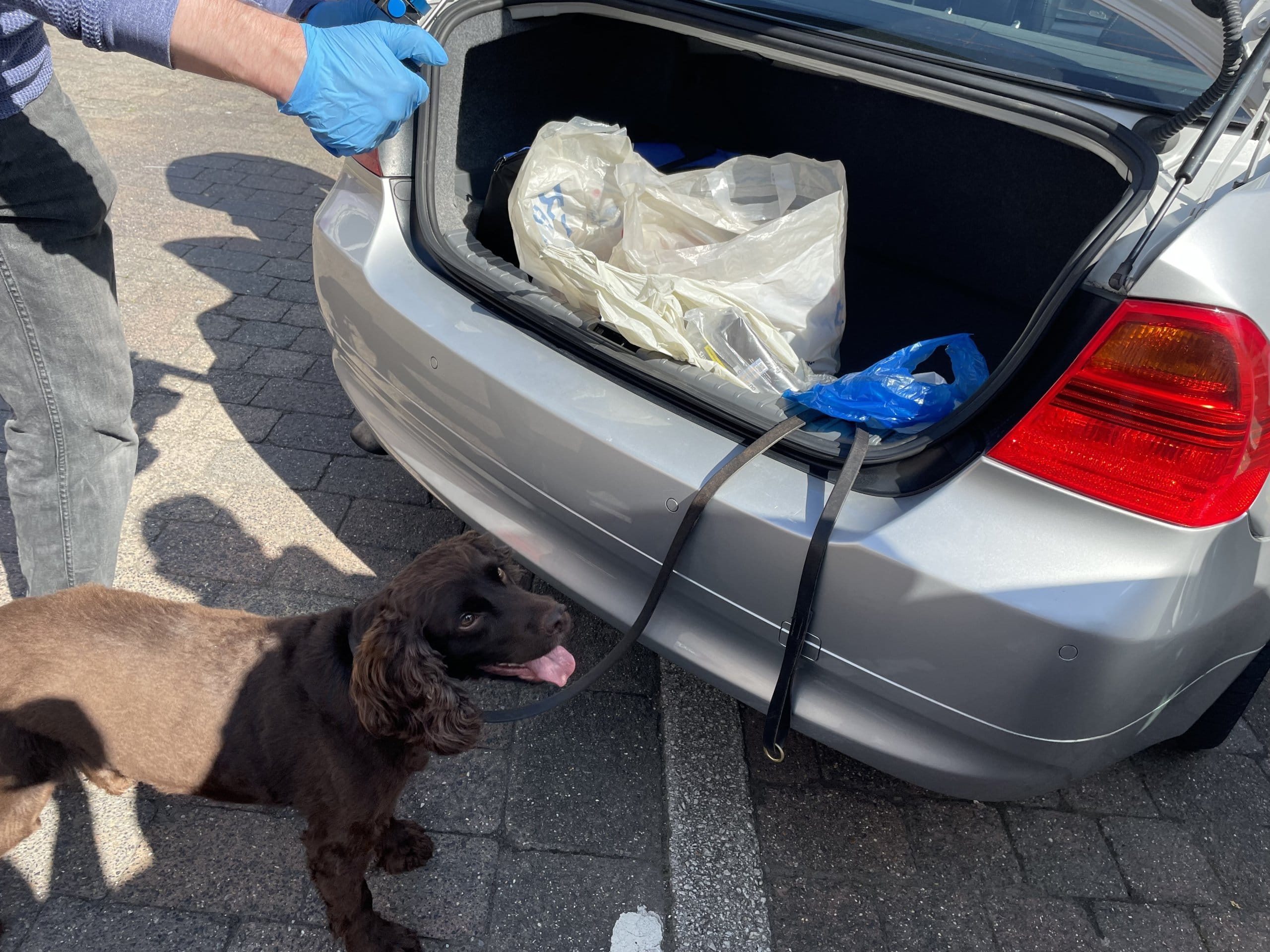
The milestone was hit by Welsh Trading Standards Teams taking part in Operation CeCe, an ongoing National Trading Standards initiative in partnership with Her Majesties Revenue & Customs (HMRC) to tackle illegal tobacco.

They say the haul seized during raids carried out across Wales, which includes 1,039,046 cigarettes and 3,377.6 pouches of hand-rolling tobacco, has a total street value of £286,782.30 – money that would otherwise have been in the pockets of criminal gangs.

Many of the cigarettes seized would have ended up in the hands of children and young people in Wales’ poorest communities which are targeted by criminals selling illegal tobacco. Evidence has been found of illegal tobacco supplies in 17 out of 22 local authority areas in Wales and seizures have taken place in 12 areas so far.

Helen Picton, Chair of Trading Standards Wales, said: “The trade in illegal tobacco creates a cheap source for tobacco for children and young people. It also undermines all of the good work being done to stop people smoking and the illegal tobacco trade more often than not has strong links to criminal activity.”

In Wales, 8% of 15 and 16-year-olds still smoke on a regular basis – a figure that has not fallen since 2013. Around 6,000 children in Wales take up smoking every year and three out of four of those children will go on to be long-term smokers.

Smoking is an addiction that begins in childhood, a recent ASH Wales survey found that 76% of smokers in Wales tried their first cigarette before the age of 18.

Suzanne Cass, CEO of ASH Wales, said: “For many children, buying their first pack of illegal cigarettes will be the start of a lifelong addiction that will destroy their health, lead them into poverty and eventually kill them.

“Stamping out this deadly trade is an essential part of reducing Wales’ smoking prevalence which currently stands at 18% of the adult population and leads to more than 5,000 deaths every year.

“We welcome any action that is taken to remove illegal tobacco from our communities and hope that this will continue to form part of any strategy to address Wales’ health inequalities.”

Since the launch of the crackdown in January 2021 Trading Standards and HMRC have been gathering intelligence on criminal tobacco gangs and are planning more raids across Wales in the next few months.

“We need to keep tobacco out of the hands of children, cheap tobacco products make it easier for children to start smoking, as it is sold at pocket money prices by criminals who don’t care about age-restriction laws,” said Helen Picton.

Lord Toby Harris, Chair of National Trading Standards, said: “The trade in illegal tobacco harms local communities and affects honest businesses operating within the law. The National Trading Standards initiative in partnership with HRMC is playing a significant role in disrupting this illicit trade and is helping to take illegal tobacco products off the streets.”

Deputy Minister for Mental Health and Wellbeing Lynne Neagle said: “We are committed to stamping out the sale and use of illegal tobacco. It’s availability makes it easier for children to start smoking, harder for those who want to stop smoking and brings criminality into local communities.

“Operation CeCe has led to the biggest crackdown on illegal tobacco in Wales since devolution. We support the on-going work of HMRC and trading standards Wales. We will shortly be launching an illegal tobacco campaign to raise public awareness and encourage reporting of illegal tobacco.”

If you think that someone is selling illegal tobacco call Crimestoppers on 0800 555 111 or visit http://crimestoppers-uk.org and tell them what you know. Your information can help keep your community safe and healthy.

If you want to quit smoking, contact Help Me Quit on freephone 0800 085 2219 or visit https://www.helpmequit.wales/

Evidence was found during the raids of cigarettes being sold individually. The sale of unpackaged cigarettes has been illegal since 1991 under the Children and Young Persons (Protection from Tobacco) Act.

The average price of the cigarettes being sold was found to be £5 a packet and a pouch of hand rolling tobacco was sold at £8 for 50g. These prices are approximately half the cost of legal tobacco products.


Campaigners call for smoking ban in Welsh beer gardens

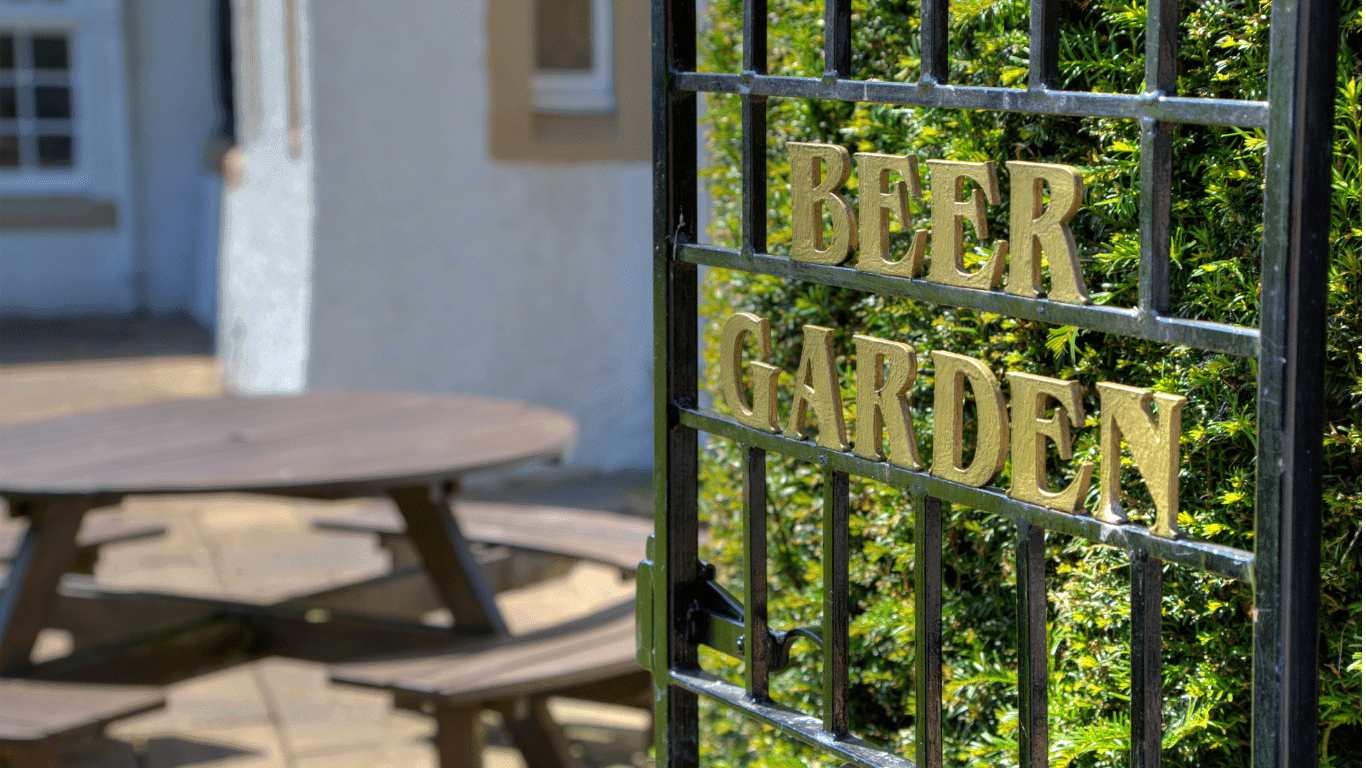
ASH Wales is calling for Welsh Government to protect children’s health by banning smoking in Welsh beer gardens.

It wants legislation that came into force in March banning smoking in the grounds of schools, hospitals and in playgrounds, to be extended to the outdoor seating areas of pubs, bars and restaurants.

The proposal has been backed by Children’s Commissioner for Wales, Sally Holland, who said extending the regulations to areas where families gather, such as beer gardens, would further de-normalise smoking in the eyes of children, making them less likely to take up the habit themselves and protecting them from the harms of second-hand smoke.

Five local authorities in England have banned smoking in the pavement seating areas of pubs, cafes and restaurants and Oxfordshire is to become the first county in England to completely ban smoking outside bars and restaurants.

There is strong public support for a similar ban in Wales with 63% of adults in Wales in favour of the proposal, according to ASH (Action on Smoking and Health) Wales’ YouGov survey.

Suzanne Cass, CEO of ASH Wales said: “Welsh Government has shown a really strong commitment to tackling smoking prevalence in Wales by becoming the first UK nation to ban smoking in school and hospital grounds and in children’s playgrounds.

“We believe it should now listen to the people of Wales and extend that ban to outdoor seating areas such as beer gardens where young people and families with children gather. This is particularly important in the wake of the Covid-19 pandemic when many more people choose to sit outdoors when possible and smokers and non-smokers find themselves sitting alongside each other.

“It is really important to do all we can to ensure children are not exposed to the sight of adults smoking in everyday settings. 81% of adults in Wales were under 18 when they tried their first cigarette. By de-normalising smoking we hope to prevent many more from being caught in the grip of this deadly addiction.”

The Children’s Commissioner for Wales, Sally Holland, said extending the ban to outdoor seating areas of pubs, restaurants and cafes would both protect children’s health and take Wales a step further to becoming a smoke-free nation.

“All children have the right under the UN Convention on the Rights of the Child to be kept safe from activity which harms their health and development; this includes both guarding against the direct negative health impact of second-hand smoke, and the preventative role of de-normalising smoking so that children are not exposed to this harmful practice at all in their daily lives.

“In order to achieve our collective ambition of a smoke-free Wales, young people should never see smoking as a positive option. Extending the existing regulations to include the outdoor seating areas of pubs, cafes and restaurants would take us another step towards this goal.”

Deputy Minister for Mental Health and Wellbeing Lynne Neagle said Welsh Government’s long-term goal is to make more public spaces in Wales smoke-free:

“The Welsh Government is taking action to reduce the health impacts of smoking and we intend to build upon the measures we introduced on 1 March 2021 which made hospital grounds, school grounds, public playgrounds and outdoor areas of childcare settings smoke-free.

“We are committed to our longer-term goal of making more of Wales’ public spaces smoke-free, in helping people to make positive changes to their health and wellbeing and to supporting our aim of a smoke-free Wales.”

ASH Wales CEO Suzanne Cass went on to say that any further legislation to create smoke free spaces in Wales must be supported by robust smoking cessation support to ensure smokers can access the help they need to quit. ASH Wales is calling for increased funding to provide targeted smoking cessation support in areas of Wales where smoking prevalence is highest and for smoking cessation support to be offered to all smokers admitted to hospitals in Wales.

Currently in Wales youth smoking prevalence remains stubbornly high with around 6,000 children taking up the habit every year and 8% of 15 to 16-year-olds smoking regularly – a figure that has not changed since 2013.

Stop Smoking Project Is a Breath of Fresh Air at Cardiff Children’s Hospital

Parents and carers who smoke will be offered help to quit the habit when they visit Noah’s Ark Children’s Hospital in Cardiff under a pioneering new scheme aimed at protecting children’s health.

As part of the project, led by the hospital’s team of paediatricians, Noah’s Ark staff will ask parents whether they smoke and if they do, will offer to refer them directly to a smoking cessation advisor.

The scheme, supported by ASH Wales, will be the first of its kind in Wales and aims to reduce the risks to children from exposure to second-hand smoke and prevent them taking up the habit in later life.

Children exposed to second-hand smoke in the home are at higher risk of developing coughs, colds, ear infections, chest conditions such as asthma or pneumonia and meningitis. The risk of Sudden Infant Death Syndrome is doubled for babies who live with a parent or carer who smoke.

Cigarette smoke lingers in the home up to five hours after a cigarette is stubbed out meaning children continue to inhale smoke particles long after a parent has smoked.

Research by the Tobacco Advisory Group of the Royal College of Physicians found that children whose parents smoke are more likely to take up the habit in later life.

Dr Alice Knight who came up with the idea for the project with Dr Gabrielle Jee after treating children with respiratory conditions in the hospital, said: “We are really excited about this project. Our hope is that every health professional at the Children’s Hospital for Wales would feel empowered ask parents and carers whether they smoke and equipped to offer advice and referral to help them stop smoking. The aim is to improve the health of children and young people in Wales by encouraging parents and carers to stop smoking. We want to make every contact count, whether the child or young person is at the Children’s Emergency Department with a broken arm, a routine outpatient clinic or is admitted to one of the Children’s wards.”

Dr Knight went on to say that the project was created with the help of children and young people across Cardiff: “My favourite part of developing the new resources was working with children and young people in Cardiff,” she said.

“We met virtually with young people from Cardiff and Vale Health Youth Board (HYB) to hear their views and opinions on this project. We also asked children aged 8-12 years in Cardiff what they thought about grown-ups smoking and included some quotes on the new Quit leaflets.”

The charity ASH (Action on Smoking and Health) Wales worked in partnership with the Noah’s Ark team to create leaflets that will be handed out to parents and prompts reminding staff to ask parents about whether they smoke.

ASH Wales CEO, Suzanne Cass, said: “We are proud to support this forward -thinking initiative and hope that it will be emulated by other hospitals across Wales.

“In Wales 18% of the adult population smokes, jeopardising the health of thousands of children every year.

“By encouraging parents that smoke to seek help to quit, the team at Noah’s Ark will protect little lungs and ensure more children don’t grow up exposed to this deadly addiction.”

An event was held at the Noah’s Ark Children’s Hospital to launch the project. Staff can find out more by visiting the Child Health intranet page to access resources, a quick referral link and top tips for starting conversations with parents and carers about smoking.

ASH Wales Calls For Financial Incentives and Additional Support For Pregnant Smokers

ASH Wales is calling for pregnant smokers to be offered financial incentives and additional support to quit the habit after new figures show an alarming rise in those smoking throughout their pregnancy in Wales.

According to Welsh Government’s latest Maternity and Birth Statistics around 5,000 babies were born to smoking mothers in 2020.

Smoking rates were highest among pregnant 16 to 19-year-olds with one in three (35%) smoking throughout their pregnancy – an increase of five percentage points since the previous year.

There has also been a rise of five percentage points in the number of women aged 40 to 44 who smoke throughout pregnancy.

Overall, in Wales one in six mothers (17%) were recorded as being smokers at the time they gave birth – one percentage point higher than the previous year. The number of mothers recorded as being smokers at their initial assessment remained the same as the previous year at 17%.

The figures show that 18% of women who were smokers at their initial assessment had quit by the time of the baby’s birth.

Smoking in pregnancy seriously harms the health of both babies and mothers, doubling the likelihood of a still birth and making the risk of a miscarriage up to 32% higher. Babies born to mothers who smoked in pregnancy are 50% more likely to have heart defects and 27% more likely to be born prematurely. The risk of sudden infant death is also three times higher if a mother smokes in pregnancy.

Evidence shows offering financial incentives such as shopping vouchers, have been found to be one of the most effective ways to help women to quit. The 2019 Cochrane Review found that pregnant women who received incentives to quit were more than twice as likely to quit smoking during pregnancy and remain smoke free after their baby’s birth compared to those who did not receive incentives.

Programmes offering pregnant women shopping vouchers as incentives to quit smoking have been successfully run across the UK including by NHS Greater Glasgow and Clyde where women offered incentives were twice as likely to have quit at 34-38 weeks gestation. In the North West region of England, a similar project saw 69% of women who participated quit smoking during pregnancy.

ASH Wales is also calling for measures to provide additional support and monitoring of pregnant smokers, including:

  • Targeted smoking cessation support in areas of Wales where smoking prevalence is highest
  • Specialist support for pregnant teenagers
  • Regular CO monitoring of all pregnant women

ASH Wales CEO Suzanne Cass said: “It is extremely worrying that rates of smoking in pregnancy in Wales remain so high, putting the lives of thousands of babies at risk every year.

“While it is encouraging that 18% of pregnant smokers had quit by the time their baby was born, the numbers still smoking at the time of their birth remain high – particularly among teenagers.

“There is strong evidence that offering pregnant women financial incentives such as shopping vouchers, to quit smoking is highly effective. We would like to see Wales adopt an incentive scheme that encourages women to take up tailored smoking cessation support during their pregnancy.

“Additional support and monitoring of all pregnant women in Wales is also needed as a matter of urgency and we are calling for a package of measures to provide specialist smoking cessation support for all pregnant women in Wales especially teenage smokers.”

Commenting, the Royal College of Midwives (RCM) Director for Wales, Helen Rogers, said:

“It is very concerning that the number of smokers in pregnancy in Wales is not falling. These latest statistics show no real change on last year’s report. What is even more worrying is that one in three girls between the age of 16-19 years old are recorded as smokers at the time of giving birth.  The devastating effects of smoking in pregnancy are well documented, particularly the link between smoking in pregnancy and stillbirths. Efforts now need to be redoubled to improve intervention as a matter of urgency.”

Helen added:

“A concerted effort is needed to target areas in Wales where smoking levels remain high. Quitting smoking is not easy and pregnant women need more specialist support to help them stop for good. We know that higher rates of smoking are closely linked to wider social and financial inequalities in Wales. As a country there is much we can do, not just in maternity services, but much wider across society in other ways, such as education in schools, focusing on positive preconception care, advice, and support. All of this needs investment if we are to truly tackle smoking in pregnancy rates in Wales.

Smoking and mental health: Your questions answered

For Mental Health Awareness Week 2021 we asked Smoking Cessation Practitioner and qualified Mental Health Nurse Fiona Edwards of Swansea Bay University Health Board about the impact of smoking on mental health.
Is it true that smoking can relieve stress?

Many people find that smoking relieves stress, but what is actually happening is that when you smoke you take in nicotine which reaches your brain in a matter of seconds but only lasts for a short time before you start to feel the need to smoke again.  This is when you start to feel withdrawal symptoms such as anxiety and agitation which is relieved when you have the next cigarette.  Most of the stress you feel when you are a smoker is actually nicotine withdrawal and as a former smoker I know this only too well.  By stopping smoking you end the constant cycle of having nicotine, experiencing stressful withdrawal symptoms and the process repeating itself over and over again.  Once you can break that cycle a lot of people find they actually feel much less stressed.

What advice would you give to smokers hoping to quit but worried that cigarette cravings will affect their mental health?

My advice would be to access support from a stop smoking service, who have staff  trained to support you. Using medication to help reduce cravings really does help too. If you have the right amount of support and with the help of medication you are much more likely to be able to quit. Lots of people feel they want to tackle it alone but having the right help really does make a big difference.  In my experience people often find their mental health actually improves when they stop smoking, because they are no longer experiencing those distressing withdrawal symptoms.

What benefits can quitting smoking have on a person’s mental health?

There is now emerging evidence that stopping smoking can be as effective as taking antidepressants for mild to moderate depression. Stopping smoking should be integrated into care for people with mental health problems.  The changes people make when they stop smoking, particularly in terms of avoiding triggers and changing routine can also have big effects on a person’s mental health. For example people may start to eat a healthier diet if they are worried about putting on weight or they might start going out for a short walk to help distract themselves from cravings. Making changes to diet and exercise also has a big impact on a person’s mental health.

If a person already takes medication for their mental health is it possible for them to quit smoking using NRT?

Yes absolutely. Some medications which people take for their mental health may need to be monitored closely and the dose reduced when they quit smoking – but that is a positive as many of the medications people take for mental health can have side effects.

The joy of quitting: Why I’m happier after giving up smoking

To mark Mental Health Awareness Week we asked ex-smoker Laura Mochan to describe her quit smoking journey and how giving up has made her happier and healthier.

The impact quitting smoking has had on my mental health, is profoundly positive. I feel mentally stronger, happier in myself and more aware of what I am capable of when I put my mind to something.

Smoking was my only stress reliever, but now that I have quit, all forms of exercise help me with that. I don’t need to go stand out in the cold garage to light up so that I can feel some relaxation anymore. I can take a brisk walk, a run, an hour at the gym, an exercise class, a long stroll with the dog, do some crafts, catch up on the soaps, take a soak in the bath, meditate, read my book with some music on.

All of these things helped take my mind off the habit I had broken. I decided to stop smoking because I felt guilty (on my little boy), I wanted to become healthier, I was sick of being out of breath after just running up the stairs and since working with a new volunteer who smokes, I became very aware of how disgusting I smelled, too.

I was initially concerned about how I would handle not being able to lean on that cigarette for stress relief, but I dug deep and found strength I never even knew I had – and a whole heap of stubbornness, too. I made sure my fridge and cupboards were filled with healthy snacks, that I had things to keep me as busy as possible over the first couple of months and a new routine where I was allowing myself more sleep. I also slightly changed my daily routine so that I didn’t have pockets of free time where I knew I would be thinking about a cigarette.

Now, at 16 months later, I rarely think about smoking. I still have the odd urge here and there (and they pop up out of nowhere – not sue to stress etc, just totally random), but they don’t bother me.

My mental health has vastly improved. I am so proud of myself it’s unreal! My family and friends – (most of them) and me, included – didn’t think I could do it. My best friend and son were the only ones who believed in me, and after the first two weeks of quitting, I found belief in myself, too. It was a brilliant feeling and I still smile about it all now.

I am FREE of sucking deadly chemicals down into my body… the only body I will have in this life… and it’s just a fantastic feeling. I have achieved something I never, ever thought I could, and the effects of this on other areas of my life is noticeable, too.

My advice to anyone who wants to give up, is that you have to WANT to give up. There is little point in putting yourself through it if you don’t really want to. I loved a cigarette and I miss them when I think about them (which isn’t often nowadays, thankfully), but now that I am on the other side of it, I can’t believe the damage I was intentionally doing to myself for something that is not a necessity, very unhealthy, very expensive, very smelly (especially your breath and fingers) and is ultimately a drag on your subconscious.

No one ‘wants’ to harm themselves by smoking, none of us want to fork out money we can’t really afford for cigarettes, when it can be much better spent elsewhere (I’ve saved almost £500 by putting my ‘cig money’ in a jar when I can afford to – which isn’t all the time, but I try so that it will come in handy for Christmas). The quiet worry in the back of my mind that I might become very ill through smoking, has gone – it’s a great feeling.

I feel calmer, healthier, stronger and able to try things I never thought I would. Those first three days are excruciating. The following couple of weeks are really hard. The two to three months after that are a lot easier, and by six months you’ve broken the back of it and need never have to look back. I’ve said it a million times over and I am absolutely adamant: if I can give up smoking, Anyone can!