

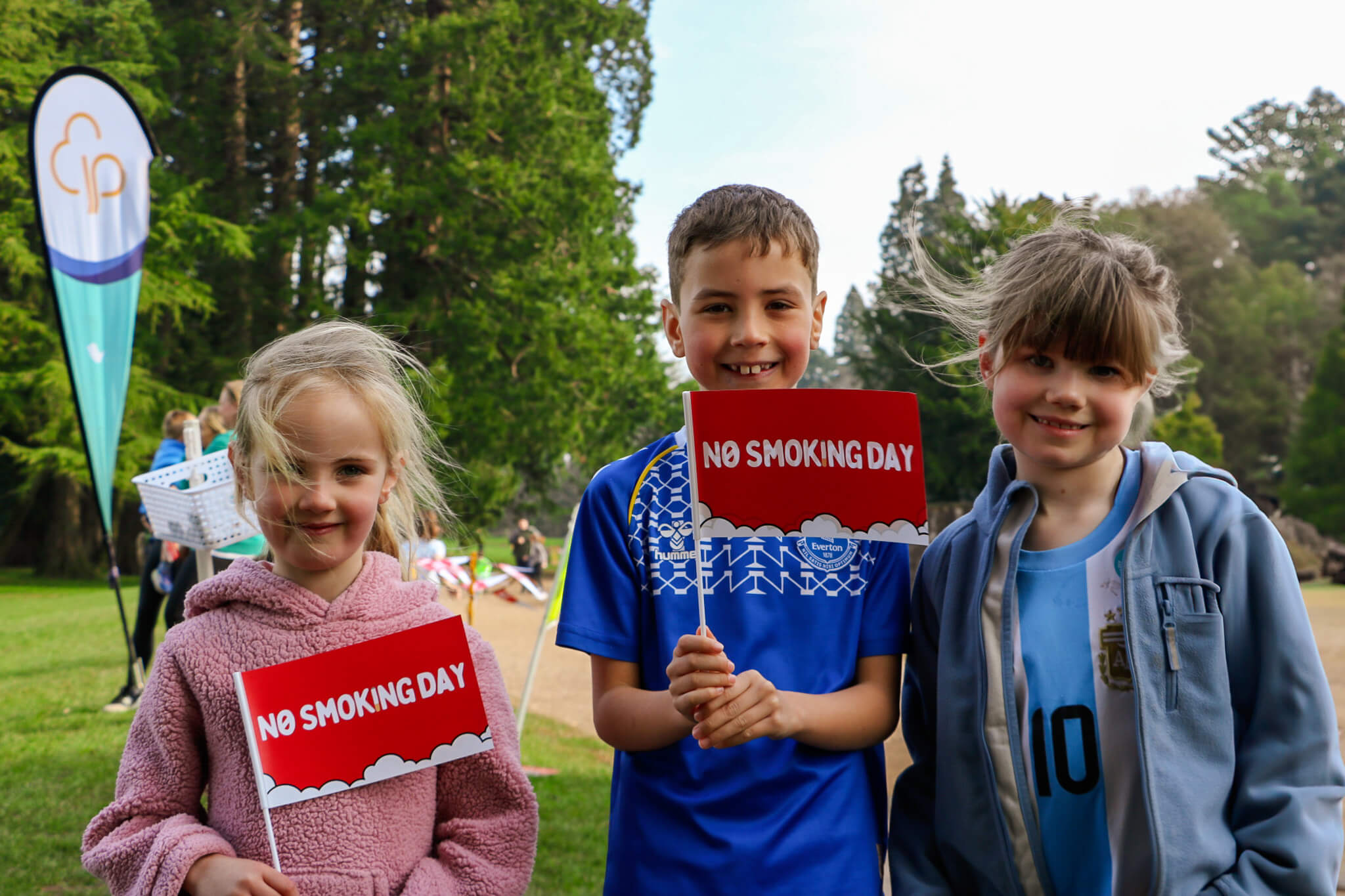
Three North Wales beaches become ‘smoke-free’ zones 

To mark National Clean Air Day (19th June), we’ve teamed up with National Trust Cymru and RSPB to launch three smoke-free beaches which aim to protect wildlife, reduce litter, and promote a healthier environment for everyone to enjoy. Three treasured locations, Porth Dafarch and Cemlyn on Ynys Môn (Anglesey) and Porthor on the Llŷn Peninsula in Gwynedd have now become voluntary smoke-free zones.

A Voluntary Step for a Healthier Coastline

This initiative invites visitors and locals alike to support a cleaner, safer environment by choosing not to smoke on these special beaches. Though voluntary, the move is designed to limit the environmental damage caused by cigarette litter, particularly to coastal wildlife and marine habitats and to help set a positive example for young people.
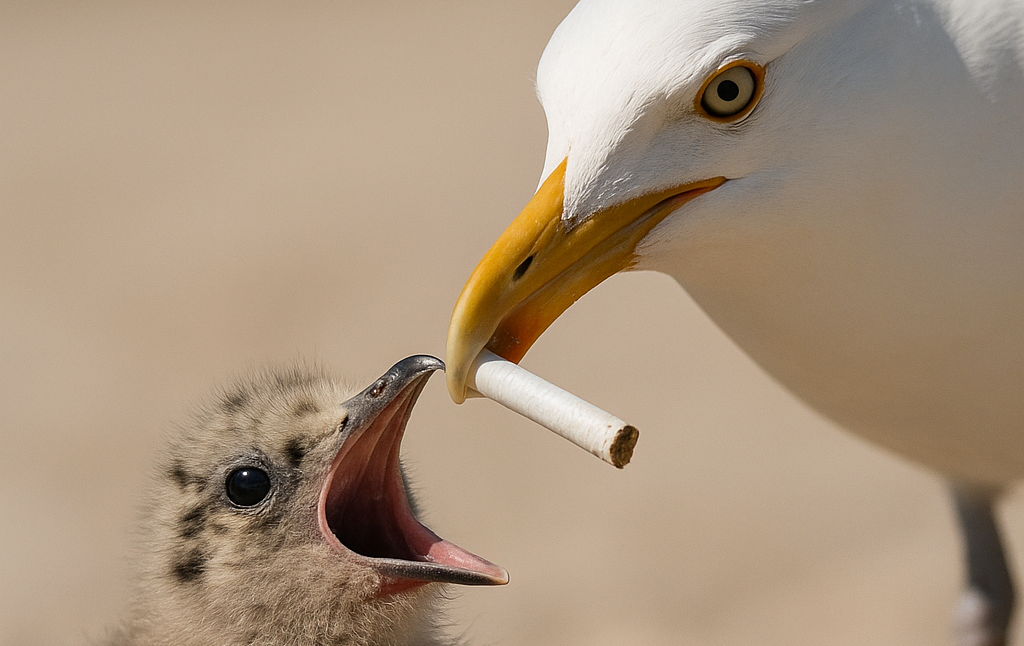
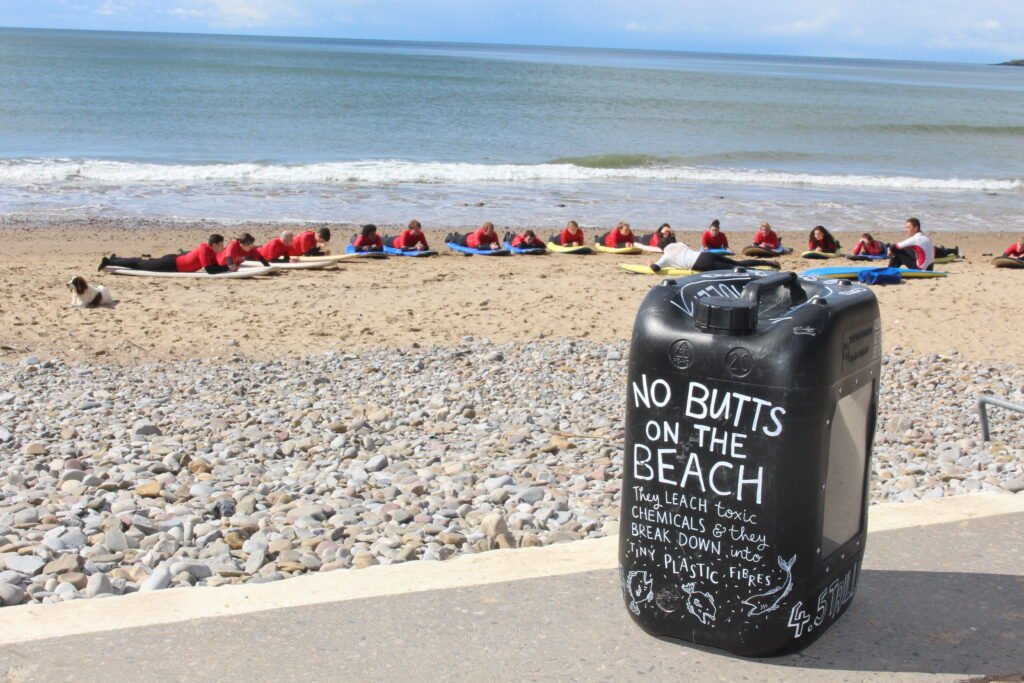
Discarded cigarette butts are one of the world’s most common types of litter. Each one contains toxic chemicals like lead and arsenic, and over time, breaks down into microplastics that pollute waterways and endanger marine life. There’s also the fire risk, discarded smoking materials have the potential to spark wildfires, particularly in dry, natural areas.

By expanding smoke-free spaces, we aim to shift social norms, protect wildlife and coastal ecosystems, and support efforts to make Wales smoke-free by 2030.

Our Ambition To Create a Smoke-free Wales

Sarah Murphy MS, Minister for Mental Health and Wellbeing, welcomed the initiative:

“I welcome this national partnership between ASH Wales Cymru and the National Trust, which will make three more of Wales’ beaches smoke-free. Not only will more smoke-free places help protect people from harmful second-hand smoke and reduce the environmental damage from smoking, but they will help make smoke-free the norm in Wales, discourage young people from taking up smoking and support more smokers to quit. 

“Our ambition is to create a smoke-free Wales by 2030 and creating more smoke-free spaces is one way to achieve this. It is important we work together to limit the harmful effects of smoking as well as the associated health and environmental risks to our beautiful landscapes.” 

Why These Beaches?

Each of the three beaches chosen has strong environmental significance:

  • Porth Dafarch, on the west side of Holy Island, is surrounded by dramatic rock formations that are home to rare birds such as choughs, along with seals and porpoises in the nearby waters.
  • Cemlyn, also on Ynys Môn, supports the third largest colony of terns in the UK, including around 1,500 Sandwich tern pairs, as well as Arctic and Common terns. The beach and surrounding area form part of a National Nature Reserve and Site of Special Scientific Interest.
  • Porthor, known for its ‘whistling sands’, offers sanctuary to a variety of seabirds and mammals including choughs, razorbills, guillemots, and even the occasional dolphin.
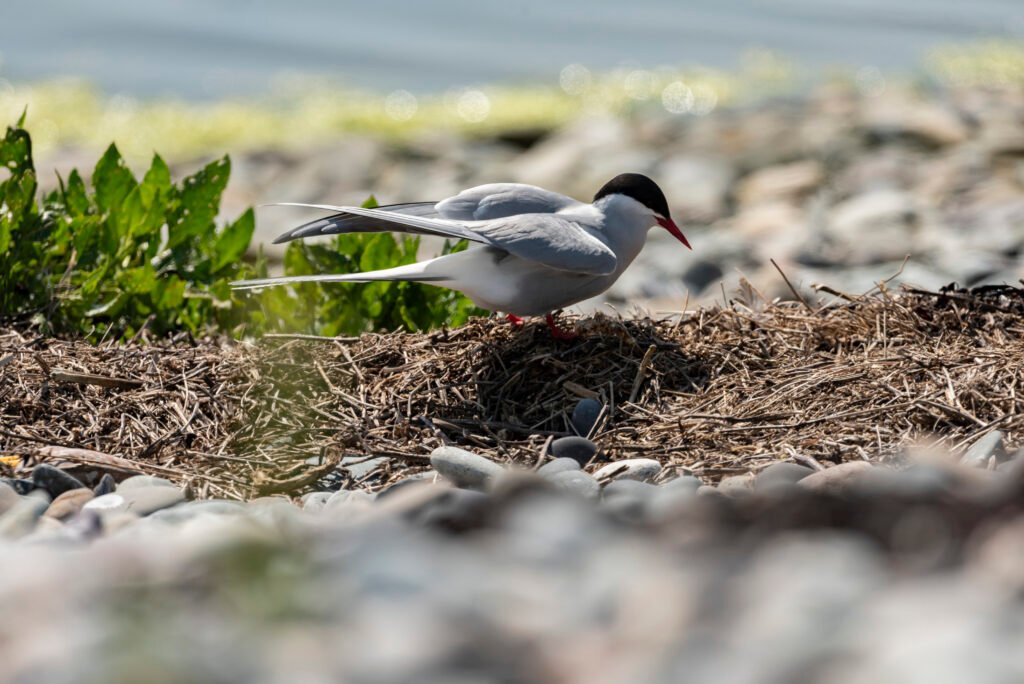
Common tern (Sterna hirundo) at Cemlyn, Anglesey

Protecting Our Natural Environment For Future Generations

Dewi Davies, Project Manager for National Trust Cymru in North Wales, said:

“We are delighted to partner with ASH Wales Cymru on this initiative which will benefit both people and nature. All three locations we’ve chosen as voluntary smoke free zones have been selected because they are environmentally significant.  

“We work hard to look after these special places and are requesting that people who visit these beautiful locations help us to care for them by not smoking and disposing of harmful smoking materials which could pose a risk to these special habitats and the wildlife that lives in them, or spark a wildfire.  

“As a conservation charity, people and nature are at the heart of everything we do, and we all have a role to play in helping to protect our natural environment for future generations to enjoy.”  

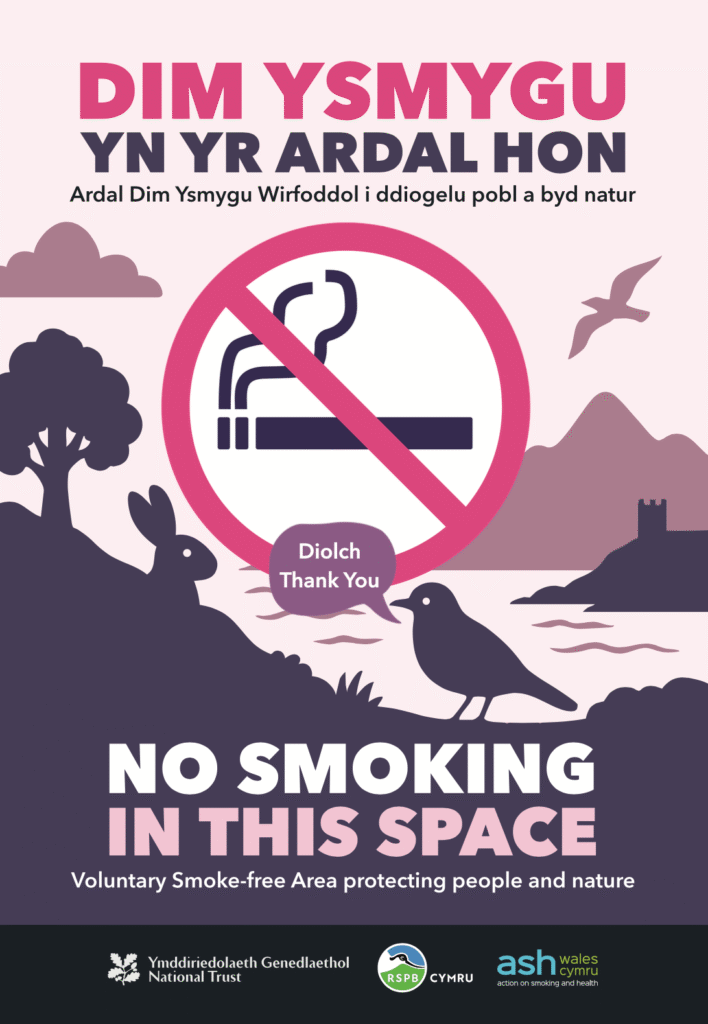
Visitors to the beaches will now see new signs inviting them to support the smoke-free approach and help reduce litter.

The Need for Action

Suzanne Cass, Chief Executive of ASH Wales, said:

“Smoke-free spaces are not only popular, they’re essential for protecting our wildlife, natural landscapes, and future generations. Cigarette butts are the world’s most littered item, threatening marine life and increasing wildfire risk.” 

“With 325,000 people in Wales still smoking, we must do everything we can to help them quit while creating a cleaner, healthier environment for all. Expanding smoke-free outdoor spaces sends a clear message: smoking is not the norm – people, wildlife and the planet come first.” 

Public Support

Public opinion across Wales shows strong support for smoke-free spaces. A national public opinion survey (2025) shows 56% of Welsh adults support a smoking ban on beaches – a local survey in Anglesey showed even stronger support, with 87% in favour.
In response to public opinion in March 2024, Benllech and Trearddur Bay became the first smoke-free beaches in North Wales – following in the footsteps of Caswell Bay, Langland Bay, Port Eynon and Little Haven in South Wales.  

Celebrating with a Beach Clean

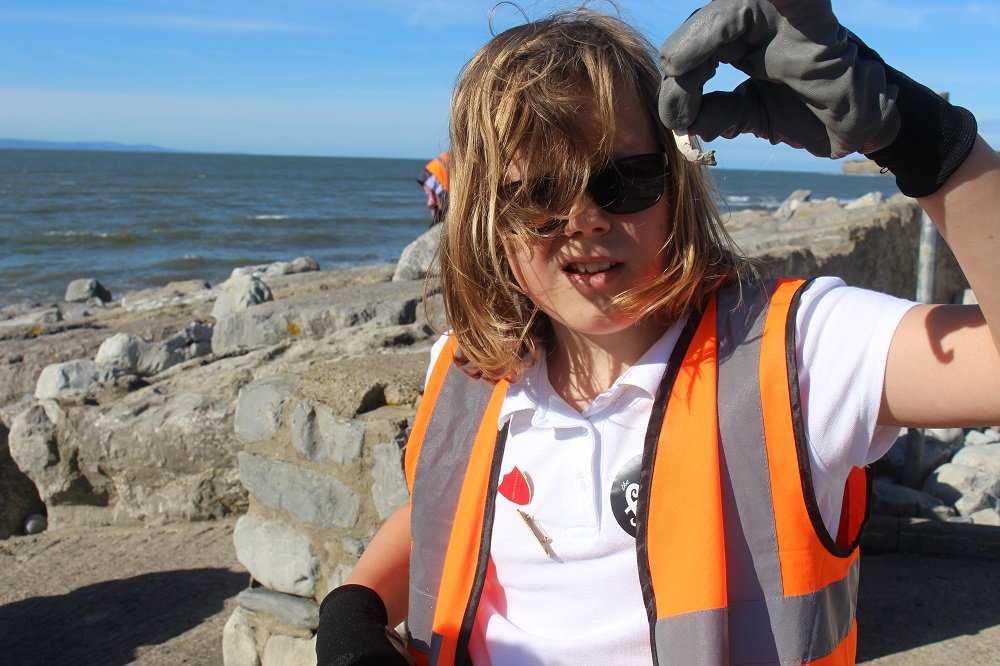
To celebrate the launch, a beach clean is taking place at Porth Dafarch on 19th June, involving pupils from Kingsland Primary School, Ynys Môn. The activity will focus on raising awareness of the dangers of cigarette litter and the importance of protecting our marine life and coastlines.
Why Smoking Litter Must Be Part of the Plastic Pollution Conversation

This year’s World Environment Day theme is clear: #BeatPlasticPollution. And while bottles, bags and straws often grab the headlines, one of the most common and overlooked forms of plastic waste continues to be left behind on our beaches, streets, school gates and parks… cigarette butts.

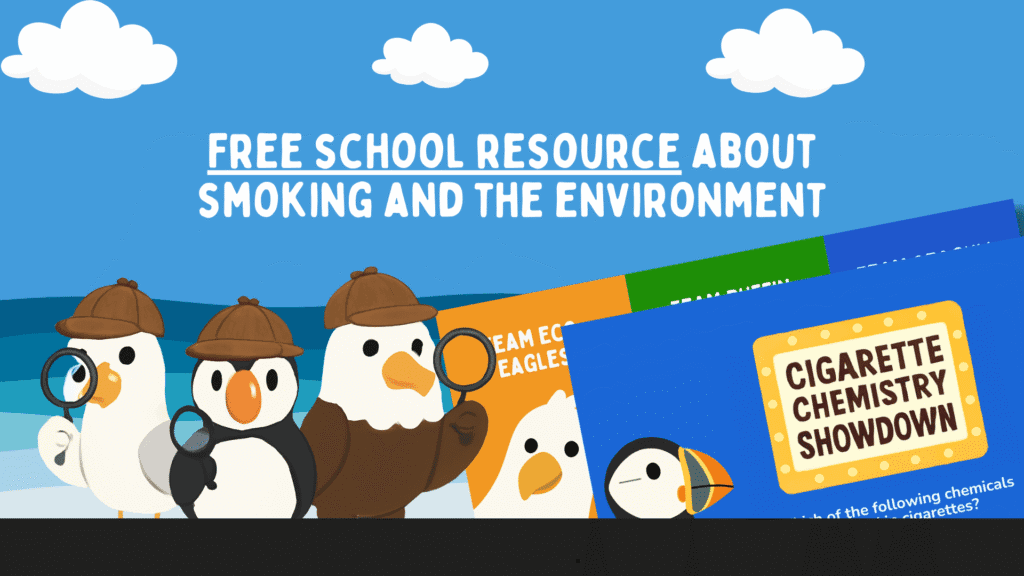
This June, we’re launching a brand new free KS1 and KS2 teaching resource designed to help children across Wales understand the environmental impact of smoking and vaping.

The Plastic Problem Hiding in Plain Sight

Cigarette butts may look like paper or cotton, but they’re actually made of cellulose acetate, a type of plastic that can take up to 15 years to break down. Every year, an estimated 4.5 trillion cigarette butts are discarded worldwide, many of them dropped directly onto the ground.

Here in Wales, litter audits have repeatedly shown that smoking-related litter (including butts, packets, cellophane and rolling papers) is one of the most common types of identifiable litter found in streets and public spaces. For example, Keep Wales Tidy’s 2023 National Litter Survey showed cigarette butts were present in 80% of surveyed locations across Wales.

But the impact isn’t just cosmetic. Cigarette filters contain toxic chemicals including arsenic, lead, and nicotine. Just one cigarette butt can pollute up to 40 litres of water, harming soil health and posing risks to marine and freshwater life.

Vapes – A New Kind Of Litter

The rise in single-use vapes over the last few years has created a new and fast-growing waste stream. Often brightly coloured and designed to appeal to younger users, these products contain a mix of plastic, lithium batteries, and metal and they are not recyclable in household bins.

According to research by Material Focus, 5 million vapes are thrown away in the UK every week, with many ending up in general waste or as street litter.

In Wales, children have reported seeing vape litter in parks, outside schools and along high streets a trend that’s growing quickly.

Supporting Schools: Our KS2 ‘Pollution Solution’ Resource

To help tackle this, We have launched a brand-new KS 1 and KS2 lesson pack all about smoking, vaping and the environment. It aims to help pupils understand the link between smoking/vaping and plastic waste, recognise common types of tobacco and vape litter and explore the impact on wildlife. Ultimately it empowers young people to take action and protect their communities.

This free resource includes an engaging presentation, teacher guidance notes and supporting materials, a certificate and five team-based interactive activities. It can be presented in a big assembly group or in a class.

👉 Download the resource here:
https://ash.wales/resource/smoking-and-environment-pollution-solution-ks2/

Pushing for Smoke-Free Beaches and Clean Public Spaces

Education is just one part of the picture. We are calling for more smoke-free outdoor spaces including smoke-free beaches, parks, school gates, and sports grounds. By normalising smoke-free spaces, we not only protect children from second-hand smoke and harmful messaging, we also tackle littering and plastic waste at the source.

Join the Movement

This World Environment Day, we’re calling on schools, councils, and communities across Wales to:

  • Talk about the environmental impact of smoking and vaping
  • Use our free resources to start classroom conversations
  • Support smoke-free public spaces and litter prevention campaigns
  • Encourage young people to be ‘Pollution Detectives’ in their own areas

Whether you’re a teacher, a youth worker or a parent, you can help amplify this message.

Let’s support the next generation in protecting their planet and make sure Wales stays beautiful for the future.

📥 Download the free school pack:
https://ash.wales/resource/smoking-and-environment-pollution-solution-ks2/

📧 Interested in school visits or partnerships? Contact us at communications@ashwales.org.uk

Illegal Vape and Tobacco Sellers Shut Down in Wrexham

Illegal tobacco and disposable vapes are being taken off the shelves in Wrexham and the message is clear: if you sell these products, expect action.

In recent weeks, four local shops have been shut down by Trading Standards and North Wales Police for repeatedly selling illegal tobacco and banned vapes. These aren’t isolated incidents. They’re part of growing efforts to clamp down on sellers who put profit before people and they show what’s possible when agencies work together to protect public health.

At ASH Wales, we’ve been working alongside enforcement teams through our No Ifs. No Butts campaign supporting local authorities, raising awareness, and helping keep illegal sellers firmly in the spotlight. This work is part of our wider mission to protect communities across Wales and push for a future free from the harm caused by smoking and unregulated nicotine products.

Premises Closed and Products Seized

The first closures took place on 15th April, when Trading Standards officers visited two neighbouring businesses in Garden Village: Chester Road Mini Market and Best Cuts Barber. Both premises were found to be selling illegal tobacco and vapes. Within 48 hours, Wrexham Magistrates Court issued full closure orders. Each shop has now been shut for three months.

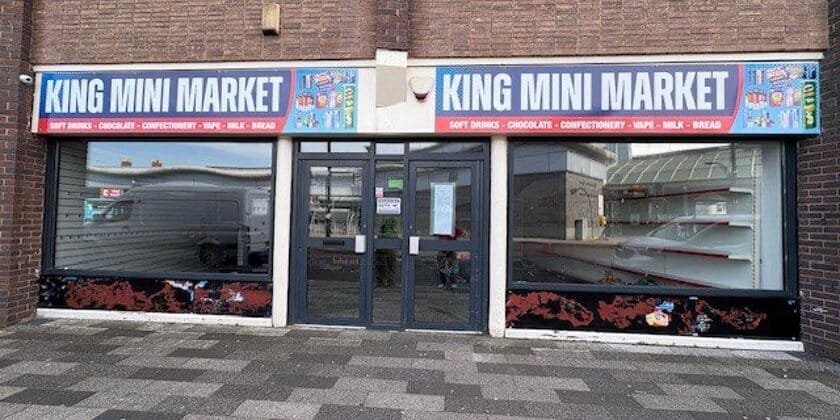
On 20th March, just weeks earlier, King Mini Market on Trinity Street, opposite Wrexham’s main bus station, was also shut down following enforcement action. The business did not contest the case, and a three-month closure order was granted by the court. According to Wrexham Council, the shop had a repeated history of selling super-strength vapes and illegal cigarettes, with no defence offered at the hearing.

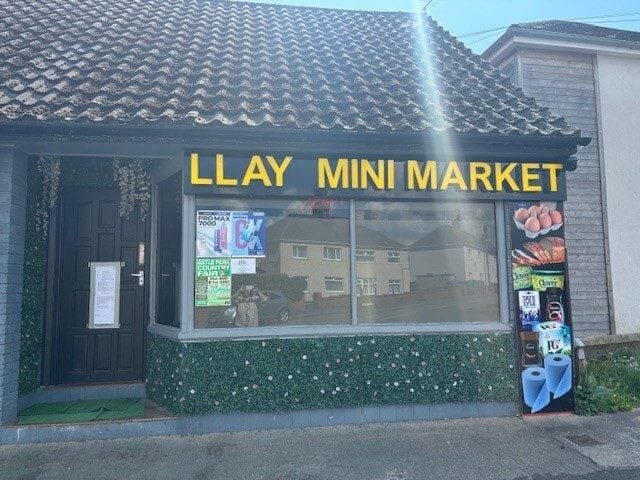
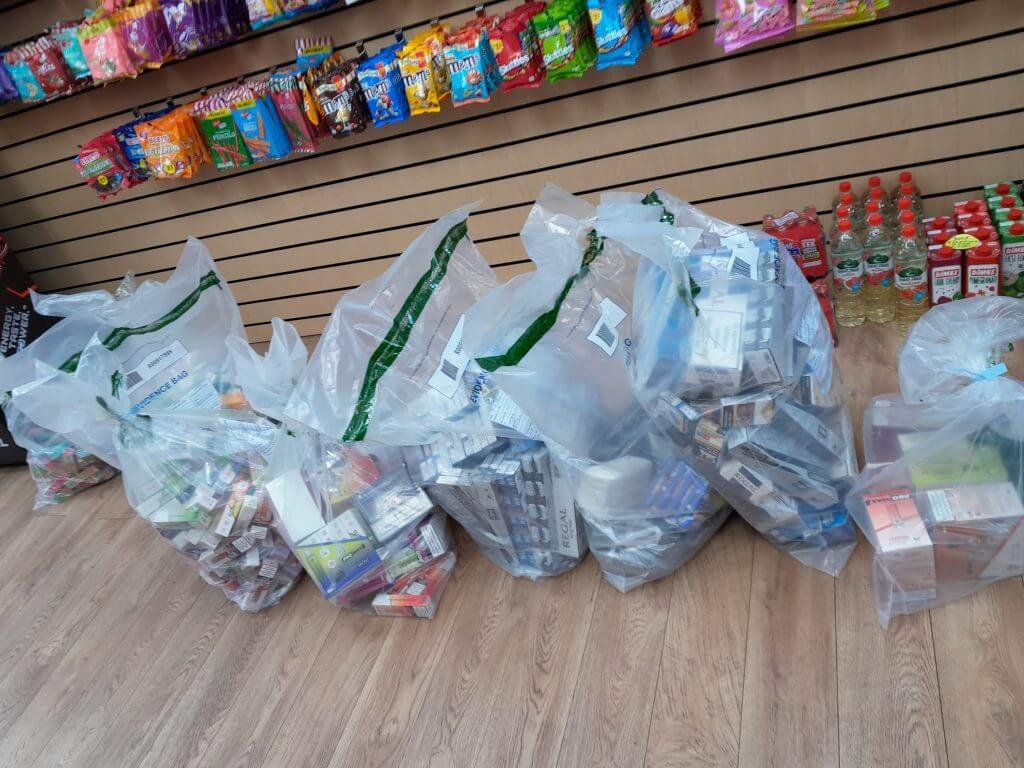
Then, on 13th May, another two shops were shut down in Llay: Llay Mini Market and M & B Barber, both based at Corwena Stores on Shones Lane. During a Trading Standards visit the day before the hearing, officers – supported by North Wales Police – seized more than 6,000 illegal cigarettes, 3kg of rolling tobacco (enough for roughly 3,000 roll-ups), and 50 illegal disposable vapes. The estimated street value of the seized products was £2,750. Both premises are now closed for at least three months.

A Coordinated Effort That’s Delivering Results

These results don’t happen by chance.

At ASH Wales, we’ve been working across North Wales to strengthen local reporting and encourage public action. Through our No Ifs. No Butts reporting portal, we’ve made it easier for people to raise concerns and for intelligence to reach the right teams. In early 2025, reports from North Wales surged, with some weeks seeing one new report every single day a significant increase from previous averages. This growing intelligence picture has played an important role in helping Trading Standards target high-risk premises and take effective action on the ground.

The End of Disposable Vapes

These closures come just ahead of major change. From 1st June 2025, it will be illegal to sell single-use disposable vapes anywhere in the UK.

Each discarded vape contains plastic, electronics, a lithium battery and leftover nicotine liquid. Most are not recycled. Instead, they’re ending up in our streets, parks, rivers, and beaches polluting soil and water. The batteries they contain have also caused fires at waste and recycling centres across Wales.

These products are being sold cheaply, used quickly, and thrown away without a second thought but their environmental impact is anything but disposable. Retailers should be clearing any remaining stock by the end of May. From June, continuing to sell disposable vapes will be breaking the law.

More details and guidance for the public and retailers can be found here: ash.wales/what-is-the-disposable-vape-ban

Keep Reporting: It Makes a Difference

At ASH Wales, we’re committed to keeping the pressure on, supporting partners across Wales, and doing whatever it takes to protect people from the harms of illegal tobacco and vapes. If you’ve seen a shop selling suspicious products, or something doesn’t feel right, we want to hear about it. Report anonymously at: noifs-nobutts.co.uk/report-illegal-tobacco-in-wales

Wondering what illegal tobacco and vapes look like? We’ve got full guidance on how to spot them at: noifs-nobutts.co.uk

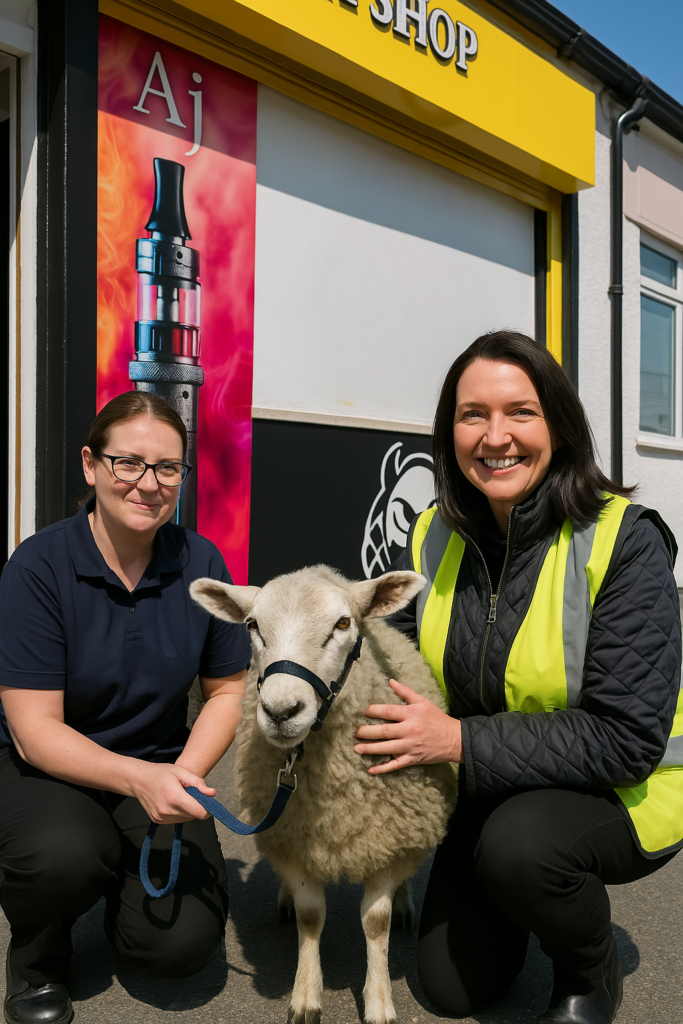
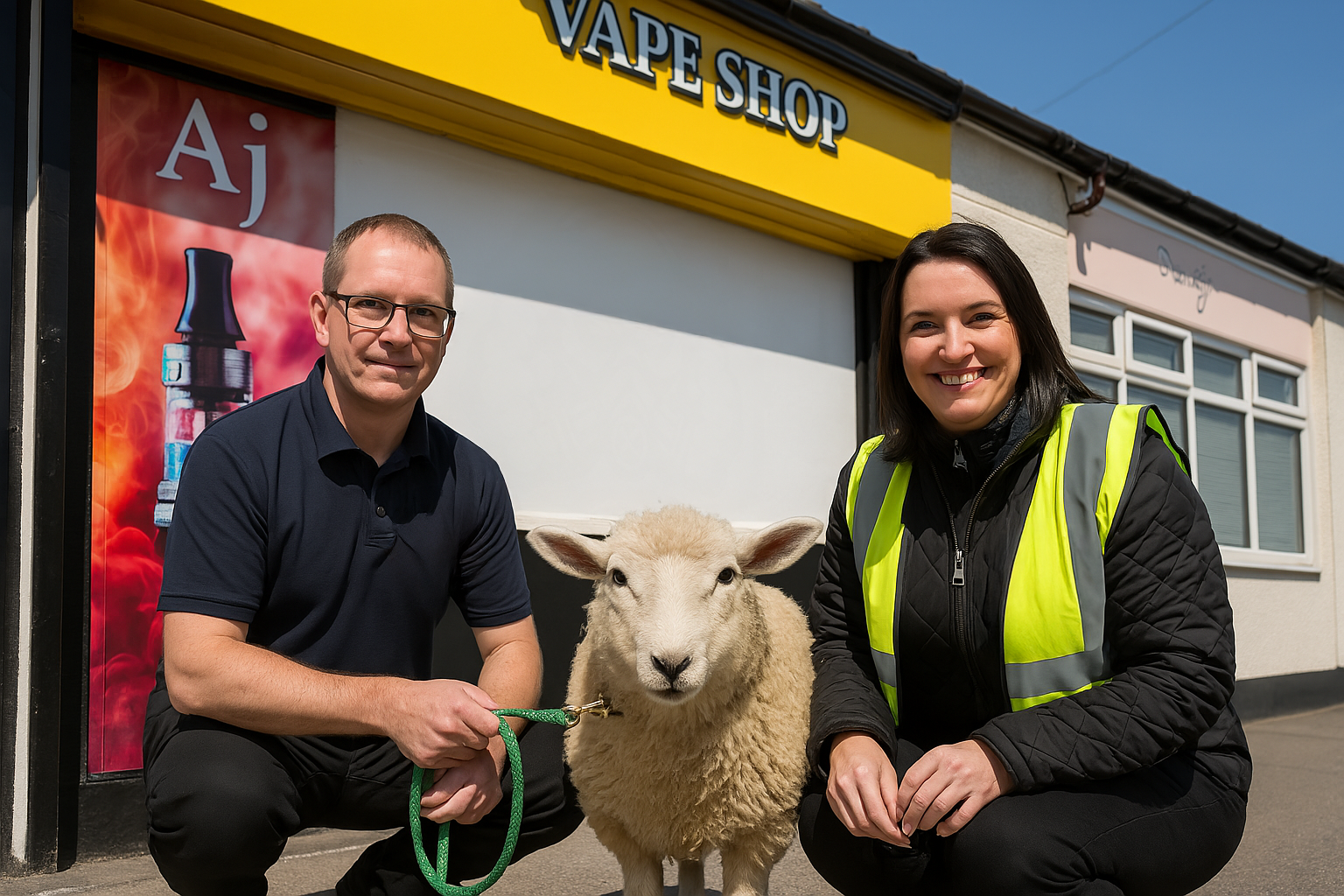
Meet Blodwyn – the UK’s first sheep trained to sniff out illegal tobacco and vapes.

In a bold new pilot scheme, ASH Wales has teamed up with local enforcement teams to trial the use of a trained detection sheep in rural areas of Wales. Blodwyn – a three-year-old Llanwenog ewe from Ceredigion – has been specially trained to detect the sweet, synthetic aromas commonly associated with illicit vapes, and the distinctive, earthy odours often found in counterfeit tobacco products.

The idea came about as part of our wider efforts to explore new ways of supporting the strong enforcement work already happening across Wales. With illegal products turning up in more creative hiding spots – from hollowed-out crisp boxes to fake cereal packaging – we saw an opportunity to trial a different approach. Blodwyn offers a light-hearted but surprisingly sharp tool in our toolkit, bringing an added level of interest and an impressive sense of smell to spot what shouldn’t be there.

In her first field test last week, Blodwyn successfully sniffed out 47 illegal vapes concealed behind a row of tinned tomatoes in a corner shop near Llanidloes. Her reward? A handful of sheep nuts and a scratch behind the ears.

Suzanne Cass, CEO of ASH Wales, said: “Illegal vapes and tobacco are getting harder to spot, and we’re having to think outside the box… or in this case, inside the pen. Blodwyn is a local legend already, and if this pilot works, who knows what could be next?”

Blodwyn’s handler, who has worked with trained dogs in the past, said he first noticed her talent during lambing season, when she kept lingering near a farmhand’s backpack – which later turned out to contain a pouch of rolling tobacco. “She’s got a real nose for it. She’s particularly drawn to sweet, fruity vape scents. If she stomps once, it means she’s caught a whiff. If she baas twice, we’ve usually got a match.”

Still with us?

APRIL FOOLS!

As much as we’d love to see Blodwyn patrolling corner shops, we’re not quite there yet. But the issue itself is far from a joke.

Illegal tobacco and vapes remain a serious and growing concern in Wales. Our latest Youth Vaping Survey found that 55% of children who vape are using products likely to be illegal. These products are not compliant with UK laws and often make their way into children’s hands via corner shops, social media platforms, or even through friends and family.

The scale of the issue is often underestimated. An estimated 88,000 people in Wales buy illegal tobacco each year, and roughly 10% of the tobacco market is illegal.

This isn’t just about dodgy corner shop deals. These sales are fuelling a wider system of organised crime, where profits may be used to fund other criminal activities. Young people are being drawn in by cartoon-like packaging, sweet flavours, and low prices, a combination designed to hook them early.

That’s why we’re working closely with Trading Standards and local authorities across Wales. With the right tools, information, and public support, we can tackle illegal sales head-on – helping to protect children’s health and safeguard our communities.

Want to report illegal tobacco or vapes in your area?

Report anonymously at noifs-nobutts.co.uk

How Quitting Smoking in Pregnancy Supports Mum and Baby

Smoking during pregnancy remains one of the biggest preventable risks to both maternal and infant health. In Wales, around 1 in 8 women are still smoking at the time of giving birth (Maternity and Birth Statistics 2023), which equates to over 3,000 babies exposed to harmful chemicals before they’ve even taken their first breath.

For many people, pregnancy brings new motivation to make healthy changes but that doesn’t mean quitting is easy. Habits, stress, and life circumstances can make it difficult to stop. The good news is, support is available, and even small steps can make a big difference.

Here are 8 important ways quitting smoking during pregnancy helps give every baby a healthier start:

1. More oxygen for healthy growth

Cigarette smoke contains carbon monoxide, which replaces oxygen in the bloodstream. Reduced oxygen makes it harder for the baby to grow properly, especially in the brain and lungs. Stopping smoking helps oxygen levels return to normal, supporting safe development in the womb.

2. Lower risk of premature labour

Smoking affects blood flow and increases the risk of labour starting too early. Babies born before 37 weeks may face breathing difficulties, feeding problems, and longer stays in hospital. Quitting supports full-term pregnancy and reduces these risks.

3. Healthier birth weight

Babies exposed to smoke in the womb are more likely to be born underweight, which can lead to complications such as low blood sugar, trouble feeding, and difficulty maintaining body temperature. Stopping smoking improves the chance of a healthy birth weight.

4. Reduced risk of stillbirth

Tobacco smoke contains thousands of chemicals that can damage the placenta and slow the baby’s growth. These changes can lead to stillbirth. Quitting smoking during pregnancy significantly lowers this risk.

5. Lower risk of Sudden Infant Death (SIDS)

Research shows that babies exposed to smoking during and after pregnancy are at higher risk of SIDS (also known as cot death). Stopping smoking before or during pregnancy helps reduce this risk and creates a safer sleep environment after birth.

6. Better lung development

Smoking in pregnancy can affect how a baby’s lungs and airways develop, leading to long-term breathing problems and a higher risk of asthma. Quitting helps protect lung function from the very beginning.

7. Healthier placenta

The placenta delivers oxygen and nutrients to the baby throughout pregnancy. Smoking can cause the placenta to develop abnormally or even detach too early, which is dangerous for both the baby and the mother. Quitting supports a healthier, safer pregnancy.

8. Improved health and energy for mum

Stopping smoking has clear benefits for the pregnant person too—improved circulation, better breathing, more energy, and fewer pregnancy complications. A healthier parent leads to a stronger, more supported pregnancy.

Support Is Available

Quitting isn’t about being perfect, it’s about being supported. Help Me Quit Wales offers free, friendly, non-judgemental support to anyone who wants to stop smoking, including tailored help for pregnant women and families.

📞 Call 0800 085 2219
💬 Or text HMQ to 80818
🌐 Visit helpmequit.wales

Small changes can lead to lifelong benefits. Stopping smoking at any stage in pregnancy helps give every baby a healthier start and supports stronger futures, for families, communities, and generations to come.

One in Four Welsh Children Still Growing Up Around Smoking

Nicotine addiction overwhelmingly begins in childhood – and family influence remains the strongest factor. Despite decades of progress in tobacco control, our latest data shows that 24% of children in Years 7-11 still live with someone who smokes, significantly increasing their chances of developing a lifelong addiction to nicotine.

Breaking the Cycle: Darren’s Story

Growing up around smoking makes it far more likely that young people will take up the habit themselves. Darren Daniel from Carmarthenshire, better known as TikTok Kidney Warrior, is proof of just how powerful that influence can be.

Darren had his first cigarette at 12 years old, in a home where smoking was the norm.

“It didn’t seem like a big deal at the time. Both my parents smoked, and so had both sets of my grandparents. The smell of tobacco was just part of life, lingering in the air like an old friend,” Darren said.

Like so many smokers, that first cigarette turned into 25 years of addiction. It wasn’t until he developed chronic kidney disease (CKD) that he finally quit.

“If I could go back and talk to that 12-year-old kid, I would tell them what I know now. That one cigarette turns into two, then into years. It’s not just a habit, it’s a thief, slowly taking away pieces of your health before you even realise they’re gone.”

Darren Daniels from Carmarthenshire -TikTok Kidney Warrior

Now a passionate advocate for quitting, Darren is determined to break the cycle in his own family.

“My son, Thomas, has never known a home filled with smoke. I quit because of my health, but I stay quit because I want him to grow up free from the addiction that controlled me for so long.”

Read Darren’s full story here

New Data: How Nicotine Addiction is Changing

In 2024, we ran a survey of 12,524 secondary school students across Wales to uncover youth smoking and vaping habits—the largest of its kind in the UK.

The results confirmed that young people growing up in smoking households are four times more likely to smoke than those from non-smoking households. Among Year 11 students who live with a smoker, 13% are now regular smokers, compared to just 3.1% of those who don’t live with a smoker or vaper.

But the way young people are becoming addicted is shifting. Nearly half (45%) of regular teenage vapers in Wales say they can’t get through the school day without vaping, and 26% want to stop but can’t.

And vaping is just one part of the problem. The nicotine industry is constantly adapting, introducing new products like nicotine pouches and heated tobacco, which are marketed as alternatives but still pose a serious risk of addiction for young people.

No Smoking Day 2025: Encouraging Young People to Choose Health

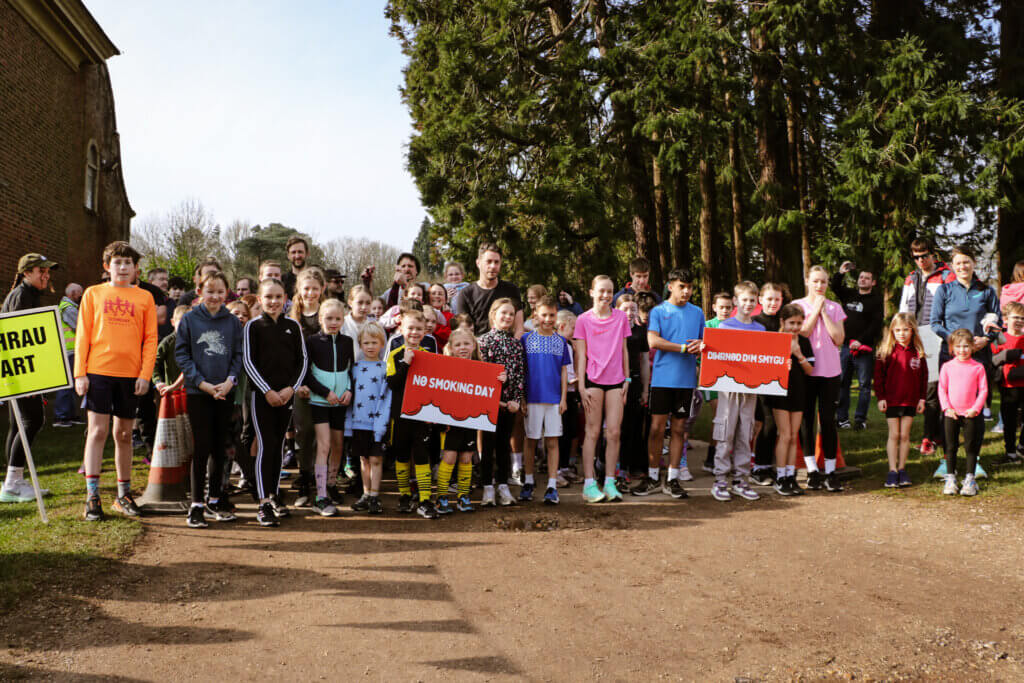
To mark No Smoking Day on 12th March, we joined 79 young runners at Tredegar House for Newport Junior Parkrun, helping to inspire healthier choices for the next generation.

79 Runners for Newport Junior Parkrun at Tredegar House

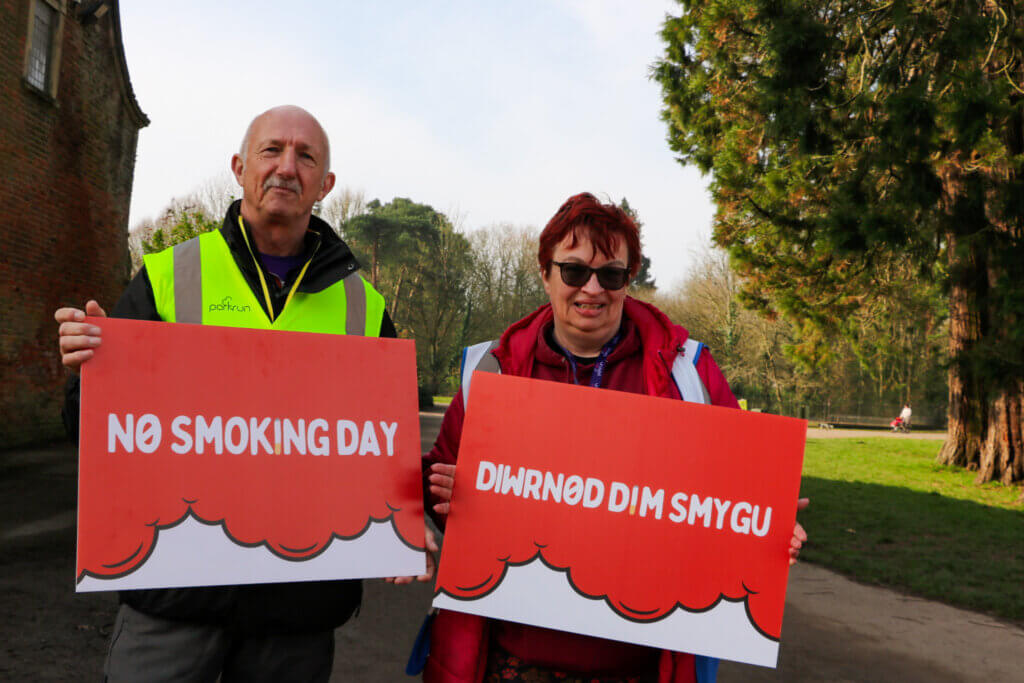
Among those who know the benefits of quitting first-hand are John and Tina Weatherbed from Newport.

John started smoking at 14, eventually reaching 60 cigarettes a day. He quit 12 years ago after realising that he and his wife had smoked 200 cigarettes between them in a single day.

“Since I quit, my life has completely changed. My breathing is better, and I’m doing things I’d never have done before—I’m even signed up for the Snowdonia Marathon this autumn!” said John, who now volunteers at Tredegar House Parkrun.

Tina, a Junior Parkrun volunteer director, is now working on quitting vaping.

“I started smoking at 18 just to get extra breaks at work. I’m still using vapes, but I’m cutting down. Since quitting smoking, we’ve travelled more and had experiences we never would have before.”

John and Tina Weatherbed from Newport

John Griffiths MS on No Smoking Day & Junior Parkrun Partnership

John Griffiths MS, member for Newport East and chair of the Cross Party Group on Smoking and Health, said:

“Off the back of last year’s inaugural Active Newport event, I am pleased to hear about the partnership between ASH Wales and the Newport Junior Parkrun. It was great to see so many youngsters starting their Sunday morning with the run, but also using it to highlight the importance of No Smoking Day. This is about instilling good habits at a young age, which I hope they will then take into adulthood.”

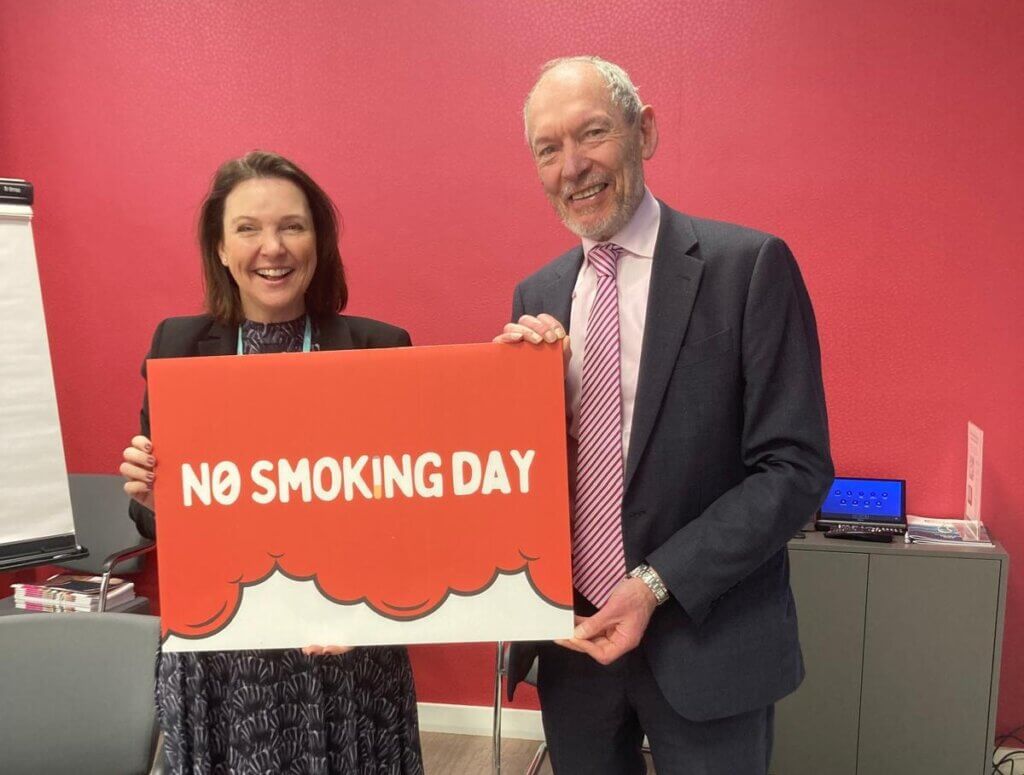
Suzanne Cass (CEO ASH Wales) and John Griffiths MS (Member for Newport East and Chair of the Cross Party Group on Smoking and Health)

Help to Quit

With No Smoking Day on 12 March, we’re urging anyone struggling with nicotine addiction, whether cigarettes, vapes, or nicotine pouches to seek support. Free help is available through Help Me Quit. Visit helpmequit.wales for more information