Life With COPD – a Mum Of Four’s Story

Every year in Wales around 3,000 people are diagnosed with Chronic Obstructive Pulmonary Disease (COPD), a group of lung conditions that cause breathing difficulties. Smoking is a leading cause of COPD.   To mark World COPD Day we met Tracy Cross, a 47-year-old mother of four from Cardiff, who was diagnosed with COPD after giving up smoking 6 years ago. This is her story:

I was  bullied a lot at school and after a particularly bad day someone told me that a cigarette would make me feel better, so I gave it a try. I carried on and when I was university, I used to enjoy the social aspect of it as there would be groups of us smoking outside and we’d have something in common.

I used to smoke between 10 and 15 cigarettes a day and I’d only ever smoke outside or in the kitchen with the back door open.
Over the years I tried to stop several times using different techniques. I tried vaping but it made me feel horrible and I went back to cigarettes.

I eventually quit when I became pregnant again six years ago. That time I knew I had to quit for good.

How I Quit Smoking?

I downloaded two apps on my phone with advice on how to quit. I also thought about how I could change my daily habits.

For instance I would always smoke after having a coffee, so I change what I drank. I also changed where I was going because there were certain places where I’d always smoke. I also developed a habit of thinking about something that tasted really bad every time I craved cigarette. Even now, six years later, I still use that technique if I have a craving.

The Diagnosis

I had a very difficult pregnancy then an emergency c-section in the end. After I didn’t feel that I ever fully recovered from it.

I was struggling to walk up the road. I thought it was because I hadn’t lost the weight after having my baby and it didn’t occur to me that there was anything wrong with my lungs. Eventually I went to see the doctor and even walking from the waiting room to see them made me feel out of breath.

They sent me for an x-ray just before Christmas and my son’s first birthday. They found something on the scan but didn’t know what it was yet so there was a real cloud looming over my son’s birthday.

In the January I found out I had COPD. I was given medication but had trouble taking it. I then found out I also had asthma.
I went on to have pulmonary rehabilitation which is when I re-discovered my love of walking.

Changed My Life

As I was caring for my children I found it difficult taking part in exercise referrals so I joined a virtual running club and started trying to fit in exercise whenever I could.

It changed my life. I’ve gone from a size 20 to a size 14 and I’ve taken part in a 5k Race for Life, a 5K Muddy race and 10k Shine Walk. Recently I climbed up Mount Snowdon.

I still get tough days but I just have to keep going. I’ve realised that its when you stop that’s when the problems start.

Before I was diagnosed with COPD, I didn’t know a lot about the connection between smoking and COPD. I knew more about cancer.

When you’re young you think nothing is going to happen to you and I was one of those people.

My Advice To Smokers

My advice to smokers would be to definitely not give up trying to quit. It’s possible, even if you have to make 6 or seven attempts to quit. Find a reason to quit and keep that reason in your mind. Figure out why you smoke and find out ways to change that.
And most of all if you keep quitting then going back to cigarettes, work out what makes you cave in and decide what to do if you start having cravings again.

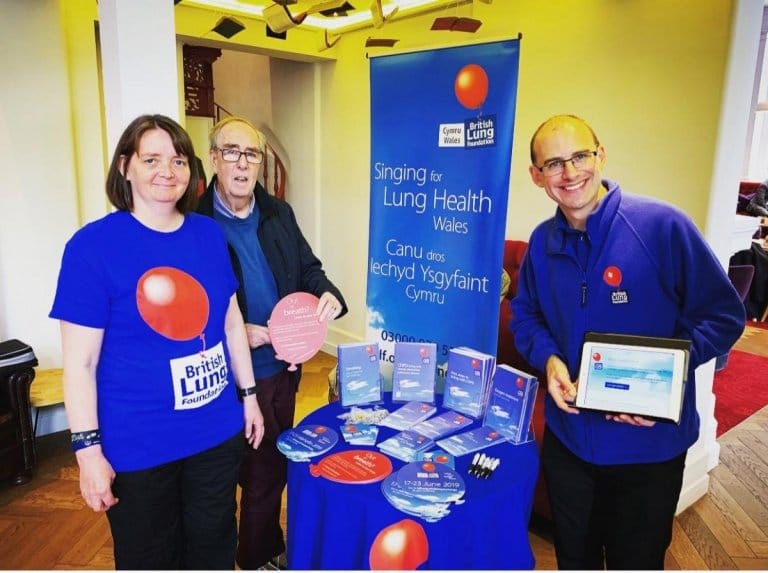
To find out more about world COPD Day and the work of the British Lung Foundation  click here

Smoking and mouth cancer – your questions answered

To mark this Mouth Cancer Action Month, we interviewed Dr Philip Lewis of the Mouth Cancer Foundation about how to spot the early signs of the condition and why smokers are at higher  risk of developing it.

To what extent does smoking increase a person’s risk of developing mouth cancer?

Worldwide smoking is the single most important public health problem and Tobacco use is still considered the main cause of mouth cancer. According to the World Health Organisation, up to half of current smokers will die of a tobacco-related illness – including mouth cancer.

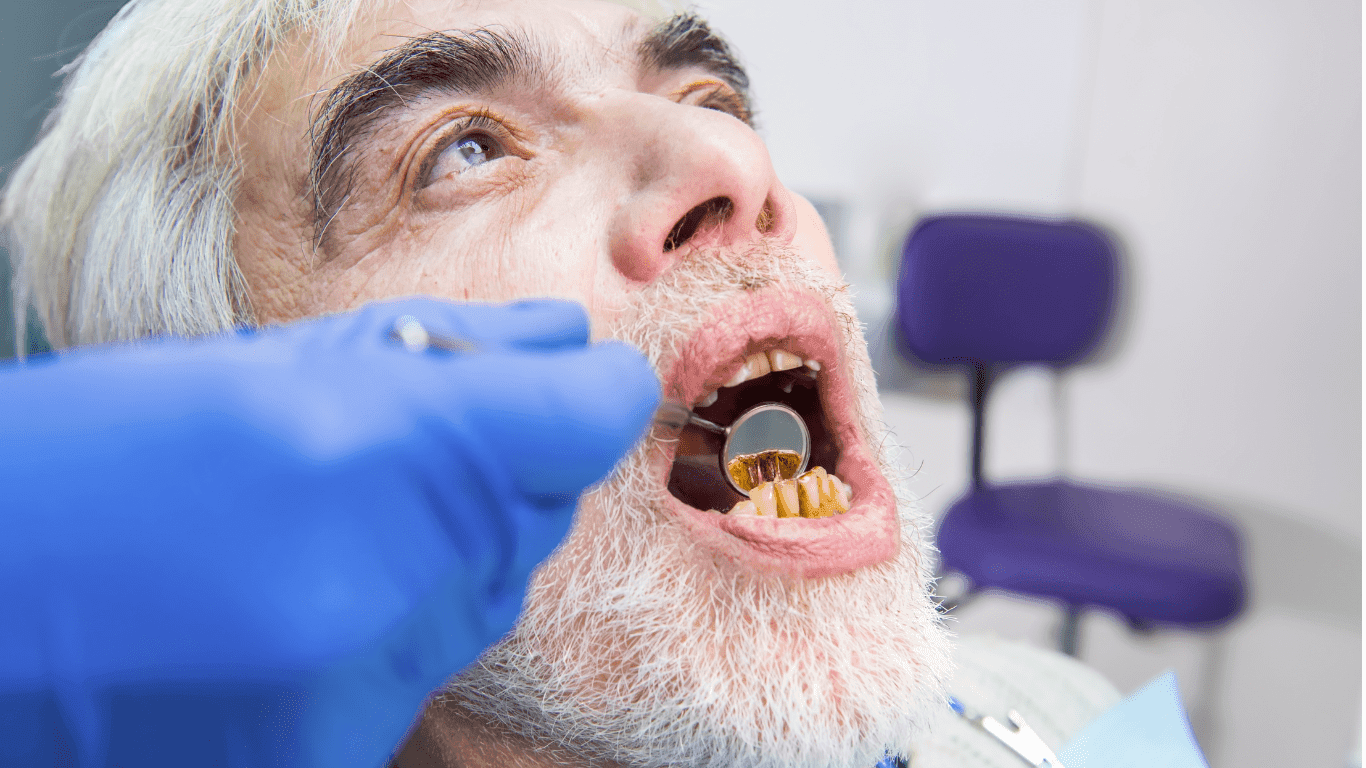
The detrimental effects of smoking and tobacco use on oral health are well recognised. Oral cancers and pre-cancers, periodontal diseases and poor wound healing are the most significant and serious effects of smoking on the mouth. In addition, staining of the teeth, soft tissue changes and halitosis are aesthetic and social impacts of smoking directly related to oral health.

More than 2,700 cases of oral cancer were reported last year with smoking being a major aetiological factor. Besides oral cancer smoking and chewing tobacco are related to a number of other oral health problems, including periodontal disease, delayed healing, bad breath and loss of the sense of taste.

Millions of otherwise apparently healthy smokers visit a dentist every year for a check-up or dental treatment. Members of the dental team can therefore play a major role in helping people give up smoking by providing information and support in their practices or referring smokers wanting to quit to their local service

Why does smoking increase the risk of developing mouth cancer?

Tobacco smoke contains hundreds of different chemicals. Many of these are poisonous. The poisons in tobacco smoke can damage a cell’s DNA, causing it to go out of control, leading to rapid cell division and causing a tumour to grow. Smoke also damages the body’s immune system making it harder for our natural defence systems to contain the cancer.hen we smoke and drink alcohol together the risk of mouth cancer increases 30-fold. This is partly because alcohol weakens the structure of the skin allowing more cancer-causing chemicals in the smoke to get through”

Do you think there is sufficient awareness among smokers of the link between smoking and mouth cancer?

Only about 50% of the population visit a dentist regularly so people who drink and smoke may be less likely to get the checks and examinations carried out by dentists that could help them. There is lots of publicity about the dangers of smoking, but it largely depends on whether people chose to take notice of it.

Overall, only about 20% of the population in the UK are aware of the risk factors of mouth cancer, including the link with the use of tobacco. In addition, many people think the risks of tobacco are only associated with cigarette smoking and do not realise other forms of tobacco usage like shisha pipe, paan chewing and smokeless preparations are equally and sometimes more dangerous.

What are the main symptoms of mouth cancer?

Signs and Symptoms of Mouth Cancer

• Ulcers that do not heal within 3 weeks
• Pain or discomfort in the mouth
• Lumps and swellings of no obvious cause in the mouth or neck
• Bleeding from the mouth in patients with no obvious gum disease
• Bleeding from the throat
• Red or white patches inside the mouth
• Changes in texture; hardness, roughness inside the mouth and the lips
• Teeth that become loose in the apparent absence of gum disease
• Difficulty or pain with swallowing, chewing or moving the jaw

• Persistent hoarseness or changes to the voice
• Persistent coughing or the feeling that something is ‘stuck’ in the throat
• Numbness or tingling of the lips or tongue
• Unexplained weight loss
• Dentures that suddenly stop fitting properly

How is mouth cancer treated?

The treatment for mouth cancer will depend on the type and size of the cancer, how far the cancer has spread, (the grade) and general health.

If the cancer has not spread beyond the mouth or the part of the throat at the back of the mouth (oropharynx) a complete cure may be possible using radiotherapy or surgery alone.

As well as being treated by a surgeon and a doctor who specialises in cancer (clinical oncologists), patients may also see a dietitian, speech therapist, and a dentist.

If the cancer is large or has spread to the neck, a combination of surgery, radiotherapy and chemotherapy may be needed.

The aim of surgery for mouth cancer is to remove any affected tissue while minimising damage to the rest of the mouth. If the cancer is advanced, it may be necessary to remove part of your mouth lining and, in some cases, facial skin. This can be replaced using skin taken from elsewhere on the body, such as the forearm or chest (a skin graft).
If your tongue is affected, part of it will have to be removed, called a partial glossectomy. The tongue may be left to heal on its own – this usually takes 3 to 4 weeks – or it may need to be reconstructed using grafted tissue. If the cancer has invaded deep into your jawbone, the affected part of the jaw will need to be removed. Surgeons now use a complex technology called 3D printing to plan the reconstruction so that the replacement bone matches the removed bone almost exactly. The grafted bone is kept alive by carefully joining tiny arteries and veins under a microscope (microvascular surgery). This increases the length of the operation. The bone and muscle used for this replacement is usually taken from the lower leg, hip or shoulder blade. Dental implants can often be put into the new bone so that dental bridges can be made to replace lost teeth. Occasionally, other bones, such as cheekbones, may have to be removed to get rid of the cancer completely.
These can be replaced with bone from other parts of your body, or a specialist dentist can make an extensive denture called an obturator, which holds the cheek out from the inside to give a relatively normal appearance.
During surgery, the surgeon may also remove lymph nodes near the site of the initial tumour. This is often done as a preventative measure in case they contain a small number of cancerous cells that cannot be detected on any scans.

What is the prognosis for people diagnosed with mouth cancer?

If mouth cancer is found early, radiotherapy or surgery may be used on its own, with a high chance of curing the cancer so it does not come back. Like the treatment, the prognosis for mouth cancer will also depend on the type and size of the cancer, how far the cancer has spread, (the grade) and general health. To put some figures to this, a small cancer which has not spread to other areas of the body carries a five-year survival rate of about 94%. A tumour discovered later, especially one which has spread to the lymph glands and other organs carries a much lower survival. In the UK overall the five-year survival rate after treatment is about 50%.

How can mouth cancer affect a person’s quality of life?

Mouth cancer may affect structures in the body that are important for breathing, eating, swallowing and speaking. It may also affect appearance. Survivors of mouth cancer often feel isolated. They may be embarrassed to eat in public. They may be less able to communicate. They may be conscious of their changed appearance. Social interaction is often reduced and a reluctance to take part in activities most of us take for granted affects their family and friends as well. In addition, there may be financial implications. Some sufferers may feel unable to return to work. They may need to pay for expensive dental restorative treatments. They may become depressed and apprehensive about what the future holds and their personalities may change, putting even more stress on their loved ones.

The Mouth Cancer Foundation aims to raise awareness of the signs and symptoms of mouth cancer so people know what to look out for and what to do if they notice something suspicious. The Foundation supports sufferers, survivors and their families and friends through its on-line forums. Early detection is the key as treatment will be quicker and less invasive resulting life expectancy being longer than it would if mouth cancer is detected late.

If people give up smoking, can they reduce their risk of developing mouth cancer?

People who stop using tobacco, even after many years of use, can greatly reduce their risk of all smoking related illnesses, including mouth cancer. The charity would always encourage everyone to give up smoking for the positive health benefits this can bring.


E-cigarettes now the most popular quit smoking tool in Wales

E-cigarettes are by far the most common quit smoking tool in Wales, according to new figures published by Welsh Government.

In the past year more than twice as many Welsh smokers chose e-cigarettes as their quit smoking aid compared to patches or gum.
According to the latest figures from the National Survey for Wales, of the 467,000 smokers – 45% tried to give up last year, with 49% choosing e-cigarettes whilst 22% tried nicotine patches, inhaler or gum.

Of the smokers that tried to quit 5% used other quit smoking medication or consulted a pharmacist and 3% called a quit smoking helpline.
Across Wales, 6% of adults now reportedly use e-cigarettes with the vast majority (76%) saying they started vaping as a way to give up smoking tobacco.
Of the e-cigarette users surveyed, 50% were smokers, 49% were ex-smokers and only 1% had never smoked.

ASH Wales CEO Suzanne Cass said the figures showed just how effective e-cigarettes can be as a smoking cessation tool.

“Over 5,000 people in Wales are dying every year from a tobacco related illness and e-cigarettes are proving to be a vital weapon in our armoury against this deadly addiction.
“Research has shown e-cigarettes are the most effective stop smoking tool available when combined with behavioural support. We would advise all smokers to seek help and quit in whichever way suits them best.
“The fact that so many Welsh smokers are switching from tobacco to vaping, proves just how popular this quit smoking tool is and what an opportunity there is to reach the remaining 30% of smokers that have yet to give it a try.”

Smoking prevalence in Wales has fallen to 17% – a 2 percentage point drop since the 2016-17 survey was carried out. 29% of the adult population are ex-smokers and 54% have never smoked – a 2% increase.
Smoking remains highest among the most deprived communities in Wales with 20% of those in the 3 most deprived quintiles smoking compared to 14% in the least deprived.

The survey also looked at exposure to second-hand smoke and found that 29% of non-smokers have been exposed to tobacco smoke indoors or outdoors – a fall of 5% since 2016-17.

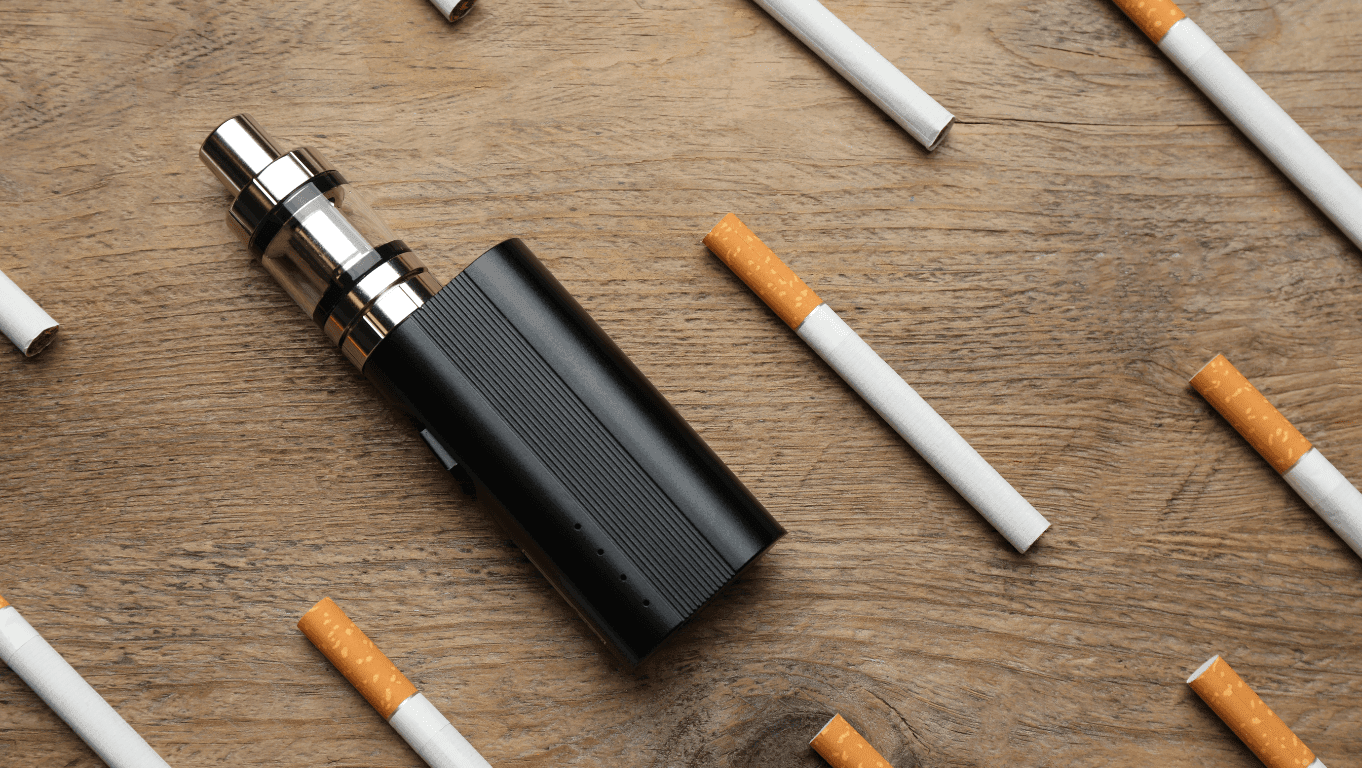
According to the latest research from Public Health England, vaping is 95% less harmful than smoking as e-cigarettes do not produce tar or carbon monoxide, two of the most harmful elements found in cigarette smoke.
Although, there is a 5% risk that vaping could be harmful, this is just a fraction of the harm caused by tobacco cigarettes, which contain 4,000 chemicals, 50 of which cause cancer.
Ideally e-cigarettes should only be used as a smoking cessation tool and ASH Wales would strongly discourage anybody from vaping if they are not a smoker.

ASH Wales responds to latest vaping research

New studies continue to be published into e-cigarettes and it is understandable that they cause concern among vapers.

The latest review of research into vaping by researchers from Ohio State University has been published in the Cardiovascular Research journal and it claims that some studies show vaping can harm the heart and blood vessels.

According to the research review, some studies have shown that e-cigarettes contain particulate matter such as metals and flavourings, that can lead to cardiovascular problems, by entering the blood stream in the same way as air pollution.

However, it is important to put this research into context. It is  based on a review of existing studies, which, according to Loren Wold, the senior author of the study, are ‘inconsistent’. Meanwhile the impact of long-term e-cigarette use on the heart remains unknown.

The most recent research carried out by Public Health England shows that e-cigarettes are 95% less harmful than tobacco cigarettes. This is because e-cigarettes do not produce tar or carbon monoxide, two of the most harmful elements found in tobacco smoke.
Although, there is a 5% risk that vaping could be harmful, this is just a fraction of the harm caused by tobacco cigarettes, which contain 4,000 chemicals, 50 of which cause cancer.

All e-cigarettes sold in this country are regulated by the Medicines and Healthcare products Regulatory Agency (MHRA) – a very different situation from that in America where the studies have been carried out.

They are a highly effective smoking cessation tool, with a major clinical trial carried out in 2019 having shown that when combined with expert face to face support, smokers who used e-cigarettes were twice as likely to quit as those who used traditional nicotine replacement therapy such as patches or gum.

According to the latest figures from the National Survey for Wales, 6% of the population in Wales now vape, with the most common reason given for using e-cigarettes being to stop smoking tobacco. In the past year 45% of smokers had tried to give up the habit, with 49% of them using e-cigarettes as a cessation tool.

Currently smoking prevalence in Wales now stands at just 17% of the population, and smoking remains the biggest cause of early preventable death, killing 5,000 people every year in Wales.

Ideally e-cigarettes should only be used as a smoking cessation tool and ASH Wales would strongly discourage anybody from vaping if they are not a smoker.

However, smoking remains the biggest threat to our nation’s health and e-cigarettes could be our most effective weapon in the fight to eradicate this deadly addiction.

How to cope with stress without a cigarette in your hand

To mark Stress Awareness Day, we’ve taken a look at stress and smoking and how to find new ways of coping with life’s challenges without a cigarette in your hand.

We all have different ways of coping with stress and for many smokers, lighting up a cigarette provides an instant sense of relief.

This dependence on smoking to cope in stressful situations can make it particularly difficult for smokers to quit the habit.

Some believe that without the crutch of a cigarette, they will crumble when the going gets tough. What many smokers don’t realise however, is that in fact smoking is the cause not the cure for stress. Nicotine cravings and withdrawal symptoms cause feelings of anxiety, agitation and stress among smokers.

What appears to be a feeling of relaxation when they smoke is merely a temporary respite from nicotine cravings which then resume, shortly after the cigarette has been stubbed out.

It’s a vicious circle which can be very difficult to break. However, with the right support in place it’s possible to cope with stress without a cigarette in your hand.

Breaking the cycle

Step one is the to quit the habit. There’s no quit smoking method that suits everybody and its’ important to find the right method for you.
Research has shown however that trying to quit through will power alone is not the best method of stopping smoking, with only 3 in every 100 smokers able to give up this way.
You can double your chances of smoking by using nicotine replacement therapy (NRT) and have an even greater chance of giving up for good if you also receive behavioural support.
To find out what support will suit you best, contact NHS Wales Help Me Quit service which provides free smoking cessation support.

If you have relied on smoking to deal with stress then it is important to find new ways of coping – or you may be tempted to relapse.
Here are some stress busting suggestions:

Self-care
Looking after yourself won’t stop stressful events from occurring but it will enhance your ability to deal with those situations. Make sure you get enough sleep and that you have a healthy diet. Avoid overindulging in alcohol or and try to reduce the amount of caffeine you drink. If you feel good physically then this will affect your state of mind.[/vc_column_text][/vc_column][vc_column width=”1/3″][vc_column_text css=”.vc_custom_1572962973149{margin-bottom: 0px !important;}”]

Exercise

When you exercise your body releases natural chemicals that help to improve your mood and reduce stress levels. If you are in the house feeling overwhelmed then head out for a walk or a jog. You’d be surprised by what an impact that can have on your mood.

Talk
Don’t struggle with stress alone. Share what is on your mind with friends and family. If you are dealing with particularly difficult challenges, it may help to speak to a trained counsellor.

Be mindful

Stress can be caused by worrying about the future. Life is unpredictable and it’s natural to fear what’s around the corner. Mindfulness is the practice of focussing on what is happening right now and it can have a real impact of stress, anxiety and depression. A good way to start is to set aside a time every day when you slow down and focus solely on you breathing, how you are feeling and your immediate surroundings.

Distraction

Sometimes the best way to cope with stress is to distract yourself from whatever you are worrying about. Why not take up a relaxing hobby that you can pick up easily at home and do whenever you are feeling tense or just to relax in the evenings. Some people find knitting, crochet or puzzles beneficial. Others enjoy gardening or baking. Anything that keeps your mind and hands busy can encourage mindfulness, lower stress levels and also help with cigarette cravings.

How smoking affects men’s health

More men in Wales smoke than women and smoking remains the biggest avoidable cause of early death amongst the male population. To mark Men’s Health Awareness Month, we’ve taken a look at how smoking affects men’s health.

– In Wales 18% of men smoke compared to 16% of women

– One man in five dies before the age of 65 and smoking is still the biggest avoidable cause of early death for men in Wales.

– Smoking is a major cause of impotence and low sperm count. It restricts the flow of blood flow to the penis and also affects the quality and the quantity of men’s sperm.

– An Australian study carried out by researchers from Imperial College London in 2006 found that men who smoke a pack or more of cigarettes daily are nearly 40% more likely to be impotent than non-smokers. Meanwhile even smoking less than 20 cigarettes a day was found to increase the risk of impotence by 24%.

– According to Prostate Cancer UK, some studies show that smoking makes prostate cancer more likely to grow and spread to other parts of the body. Smoking may also make prostate cancer more likely to come back after surgery or radiotherapy.

– Heavy smoking means you are more likely to die from prostate cancer, however if you stop smoking your risk drops and after 10 years it could be as low as for men who have never smoked.

– Stopping smoking can also help with the side effects of prostate cancer treatment. For example, you may be less likely to suffer from urinary problems after radiotherapy if you stop smoking.