

ASH Wales welcomes proposal to end smoking in England by 2030 and urges Welsh Government to follow suit

ASH Wales has urged Welsh Government to follow in England’s footsteps after proposals to end smoking by 2030 were announced.

Under the plan contained in the Government’s Prevention Green Paper, every smoker being admitted to hospital would be offered help to quit. The paper proposes raising revenue to support smoking cessation services which would be focused on those groups most in need. It highlights the role that technology can play in delivering focussed, personalised support.

The paper also proposes setting an ultimatum for the tobacco industry to make smoked tobacco obsolete by 2030 so that smokers would quit or move to less risky products like e-cigarettes instead.

ASH Wales supports these proposals and believes there would be strong support for similar action in Wales. According to its latest YouGov survey into attitudes towards tobacco control in Wales, 68% of Welsh adults would support new government action to reduce smoking rates to less than 5% by 2035. Meanwhile 47% of Welsh adults feel the government is not doing enough to reduce smoking prevalence in Wales.

The Welsh Government target is to reduce smoking to 16% of the population by 2020 as part of its Tobacco Control Action Plan.

Suzanne Cass, CEO of ASH Wales, said: “We whole heartedly support this ambitious target to eliminate smoking in England in 2030 and believe we should strive for the same goal here in Wales.

“Tackling smoking has become a key priority for the UK government and there is a new sense of urgency around the issue which we hope will create opportunities to provide innovative solutions to reduce smoking.

“Here in Wales smoking kills around 5,388 adults every year and costs the Welsh NHS £302 million a year. It is the cause of stark health inequalities across the country, hitting our most deprived communities the hardest.

“We know how challenging it is to reach smokers, with 17% of all adults in Wales continuing to smoke, despite free smoking cessation support being widely available from Help Me Quit. And, despite concerted efforts to raise awareness of the harms of smoking among young people, 9% of 11-to-18-year olds in Wales continue to smoke at least weekly.

“Wales will only become a smoke free nation if innovative and targeted smoking cessation support is provided for those adults and young people who need it most, such as social renters, people experiencing mental health problems and those living in our poorest communities.”

She went on to say that any plan to tackle smoking prevalence must be accompanied by efforts to tackle illegal tobacco, which is sold at pocket money prices across Wales, undermining tobacco control policy and allowing smokers in deprived communities to continue to smoke.

“A big challenge we face here in Wales is illegal tobacco which accounts for 15% of all tobacco sales in the country currently. Any efforts to stamp out smoking must be accompanied by robust enforcement action to prevent illegal tobacco from undermining the government’s tobacco control measures.”

What happens when you quit smoking

Are you hoping to give up smoking? Then read our guide to find out what happens when you kick the habit…

Bouncing back

Did you know that the health benefits of quitting smoking kick in within just 20 minutes of you stubbing out your last cigarette?

Here’s what happens to your body when you give up smoking:

⏲️ Within 20 minutes: Your pulse rate returns to normal

 Eight hours: The nicotine and carbon monoxide levels in your body reduce by more than half and your oxygen levels return to normal

48 hours: Carbon monoxide is eliminated from the body and the lungs start to clear out mucus and smoking debris. By this time there is no more nicotine in the body and your sense of taste and smell will be better.

72 hours: Your energy levels will improve as breathing becomes easier and your bronchial tubes start to relax

2 to 12 weeks: The blood circulation improves

3 to 9 months: Lung function increases by up to 10 per cent and coughs, wheezing and breathing problems improve

 1 year: Your risk of heart disease is half that of a smoker

10 years: The risk of you developing lung cancer has fallen to half that of a smoker

15 years: You now have the same risk of having a heart attack as somebody who has never smoked in their life

Money, money, money

When you quit smoking you’ll also enjoy a far healthier bank balance.

If you smoke 20 cigarettes a day you’ll be saving £72 a week and £312 a month once you quit. Within a year of giving up you’ll have an extra £3796 a month in your pocket. Enough for a fantastic holiday in the sun ☀️.

Meanwhile 10-a-day smokers will find themselves £156 a month and £1898 a year better off once they quit.

Those who prefer to smoke rollies will save £480 a year if they smoke 5 a day, £960 a year, for 10 a day and if they smoke 20 a day, an incredible £1921 a day.

Friends and family

By stopping smoking you’ll improve the health of your family and friends by reducing their exposure to second-hand smoke, which carries significant health risks.

Every cigarette you smoke contains 4,000 chemicals and at least 50 of those cause cancer, even when contained in second hand smoke.

Exposure to other people’s smoke raises the risk of lung cancer in non-smokers by 20 to 30% and coronary heart disease by 25 to 35%.

Children are most at risk from the harms of second-hand smoke.  It increases young infants’ risk of lower respiratory tract infections by around 50%. It also more than doubles a child’s risk of invasive meningococcal disease with the greatest risks for those under 5.

Home sweet home

Your home will be a happier and healthier place once you quit smoking. When you smoke in your home, 80% of cigarette smoke is invisible and it lingers around the house for up to 5 hours. The smoke is made up of particles that are smaller than household dust, so it moves easily from room to room. As well as posing a health risk to your family and friends, third hand smoke, the residue left behind after smoking, builds up and stains surfaces and furnishings.

Quit smoking naturally

There’s no one size fits all approach when it comes to quitting smoking. We are all different and just because a particular method worked for one smoker, does not guarantee that it will work for another.

If you choose to quit smoking using natural methods, there are plenty of options available.  To find out more, read our blog about how to stop smoking the natural way.

Acupuncture

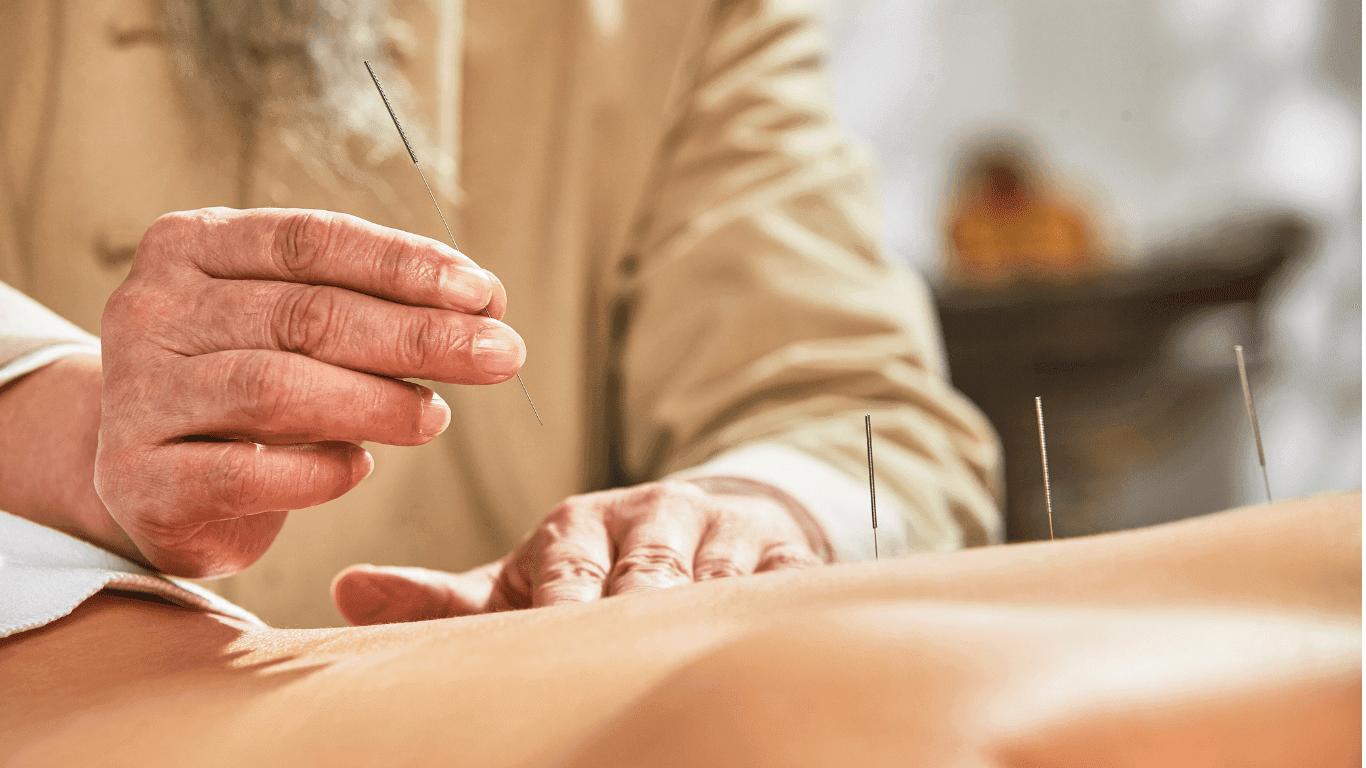
Acupuncture is a treatment that originates from ancient China and involves fine needles being inserted at certain sites in the body for therapeutic purposes. Despite being seen as a form of alternative medicine is now used in many NHS GP practices and pain clinics.
Usually an acupuncture session will involve an assessment of general health, the taking of a medical history and a physical examination.
The needles are then inserted into acupuncture points in the body and the session last between 20 and 40 minutes.
According to acupuncturists, the treatment is most effective for dealing with nicotine withdrawal symptoms as it aids in the process of detoxification as nicotine leaves the body and helps ease symptoms such as depression and anxiety.
There is no conclusive research to suggest that acupuncture is effective as a stop smoking aid so it not part of any NHS treatment package.

Hypnotherapy, a form of psychotherapy that influences the subconscious to bring about changes in people’s lives, is a popular choice for smokers who decide to kick the habit.
It is not available as part of any NHS treatment package as there is no conclusive research to suggest it is an effective stop smoking aid. However, hypnotherapists claim it can be a highly effective way to tackle addiction and change the way people perceive smoking.
Hypnotherapy works by putting people into an altered state of awareness which some believe makes them more relaxed and able to concentrate on the suggestions being given to them by the hypnotherapist.
You will still be aware of your surroundings during hypnosis and you cannot be made to do anything against your will. During hypnosis to give up smoking, the patient may be asked to imagine negative outcomes from smoking, so they come to associate these with the habit. The hypnotherapist may also emphasise the importance of protecting and respecting your body. They may teach the patient self-hypnosis and give them affirmations to repeat every time they feel the urge to smoke.
It is sometimes best to consult your GP before having hypnotherapy, particularly if you suffer from epilepsy, a serious illness such as cancer or other mental health conditions. It is also important to find a hypnotherapist who is trained in helping people to stop smoking.

Lifestyle changes

Quitting smoking through will power alone is tough. However, making changes to your lifestyle can make a big difference. Here are some tips in simple lifestyle changes that could help to break your smoking habit:

?️ Diet: If you’re one of the many smokers who lights up after a meal then changing what you eat could help. A study in the US found that certain foods, including meat, make cigarettes more satisfying.
Meanwhile others, such as cheese, fruit and vegetables, make cigarettes far less appetising. So swap your steak and chips for a veggie lasagne instead.
Drinks too can affect the taste of cigarettes. According to the same US study, fizzy drinks, alcohol, cola, tea and coffee, makecigarettes taste good. By switching to water and juice instead, you could find yourself less likely to crave a cigarette.

Exercise:

Exercise is a huge help when it comes to beating cigarette cravings. It works both as a useful distraction when you feel the need to cave in and a way to suppress cravings. According to the NHS, a review of scientific studies has shown that exercise, even a 5-minute walk, can help to cut cravings and could enable your brain to produce anti craving chemicals.

Distraction

One of the best ways to deal with withdrawal cravings is to distract yourself with other activities. Preferably something mindful that requires you to concentrate and focus on what you are doing. Puzzles, playing a computer game, knitting, gardening or cooking for instance, could stop you from thinking about your craving for a cigarette.
It may help for you to identify particular times of the day when you are likely to smoke a cigarette and prepare an activity in advance to distract yourself.

Smoking cessation support in Wales

Once you’ve decided to quit smoking, the next decision you’ll have to make is how.

Giving up an addiction to smoking isn’t simply a case of stubbing out your last cigarette and getting on with your new smoke-free life. You’ll probably need a helping hand, whether that’s by using nicotine replacement therapy or accessing support from a smoking cessation adviser.

There are a range of different options out there for those who decide to quit and navigating your way through the choices can be bewildering as there is no one size fits all solution. Luckily in Wales, there is a service that can do the hard work for you.

Help Me Quit is run by NHS Wales and offers free smoking cessation support to everybody in Wales. Its advisers will help to find the quit smoking support that suits you best, including weekly group and one to one sessions with a smoking cessation adviser. The Help Me Quit website is also packed with information on how to quit and the different support options that are available in Wales. For more information click here .

You may also be able to access quit smoking support from your local pharmacy.  Some pharmacists are licensed to offer Level 3 smoking cessation support which means they offer one to one support as well as nicotine replacement therapy such as patches or gum. Meanwhile those offering Level 2 support provide NRT to those receiving behavioural support from Help Me Quit.  Find your local pharmacy here.

A visit to GP can be a good first step .They can offer advice and support on giving up smoking and can talk through all the fantastic health benefits of quitting. A GP can refer you to Help Me Quit and explain the different NRT products that are available.

? It can also help to speak to people who are also in the process of quitting smoking or have successfully done so.  Quit Smoking (Wales) is a closed Facebook group which is open to both smokers and non-smokers and provides a non-judgmental space in which people can share their quit smoking experiences.

To become a member of the group click here .

Smoking Litter Tops Rubbish Issue in Wales

Cigarette butts remain the number one most littered item in Wales, a Keep Wales Tidy report released today (Monday 9th July) has found.

Keep Wales Tidy’s annual Street Cleanliness Survey reports smoking-related litter was found on 80.3% of Welsh streets, making it the most common type of litter in Wales.

Cigarette butts can take up to 12 years to decompose as they are made from plastic fibres. Clearing up this type of litter unnecessarily costs Welsh councils thousands of pounds every year and across the UK, it is estimated 122 tonnes of smoking-related litter is dropped every single day.

Jemma Bere, Policy and Research Manager at Keep Wales Tidy, said: “We want to debunk the myths and misconceptions around the disposal of cigarette ends. Despite their size, cigarette ends still count as litter – so dropping them is a criminal offence. Put simply, our pavements and drains are not ashtrays!

“Smokers need to be aware that cigarette ends are not biodegradable, are harmful to our health, wildlife and the environment. There are many ways that local authorities and businesses such as pubs and restaurants can play their part and ensure that there is adequate provision for responsible disposal; many bins nowadays have stubbing plates to help smokers properly extinguish their cigarettes. Of course, where there aren’t bins available, smokers can always dispose of their cigarette ends safely and conveniently using a portable ashtray.”

Cigarette butts are the most littered item on Europe’s beaches too and toxins from tobacco residue in the butts pollutes waterways, posing a danger to animals who often mistake them for food.

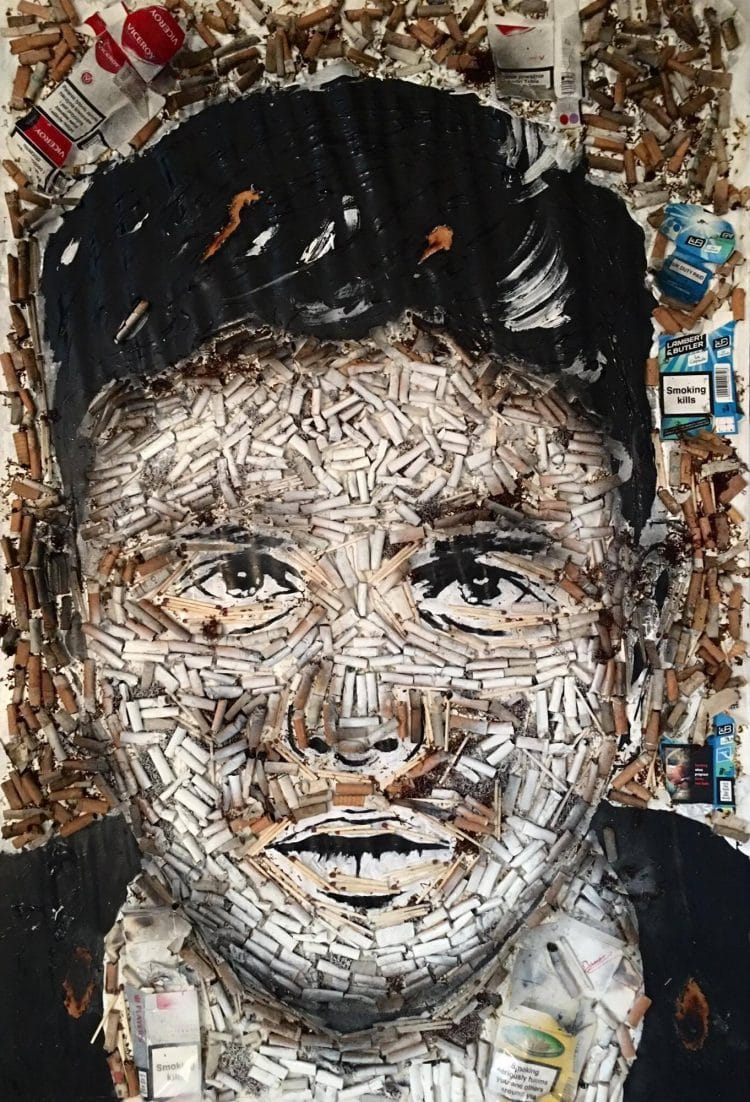
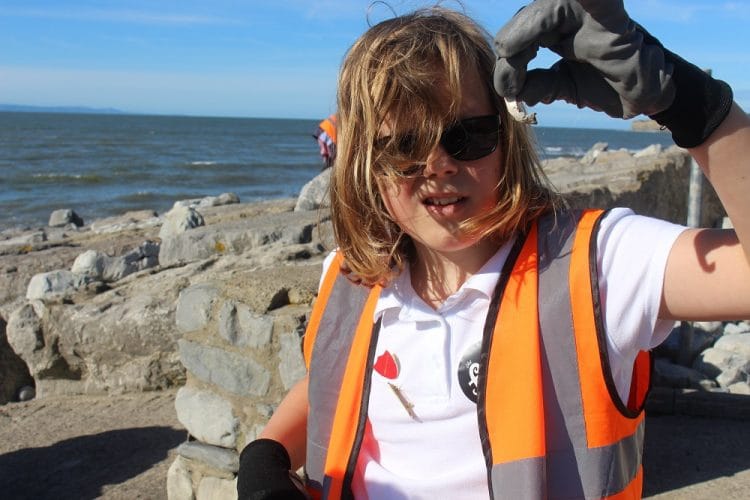
Suzanne Cass, Chief Executive of ASH Wales, said: “Everyone knows smoking is bad for your health, but not many people are aware just how bad it is for our environment, wildlife and waterways – especially our picturesque beaches. “To mark our 40th birthday we did a litter pick with children from Llantwit Major Primary School and within an hour we collected 300 cigarette butts enough to create an A2-sized collage. This goes to show the massive scale of the problem, even in small areas.”

“By bringing down smoking rates, we will therefore help to reduce the litter problem which is plaguing our beautiful country.”

The report comes just days after Swansea Council launched its second smokefree beach, which is the third to in Wales to implement a voluntary ban. A pilot ban has been in place at Caswell Bay since 2016.

Mark Child, Cabinet Member for Care, Health and Ageing Well for Swansea Council, said: “The launch of a smokefree beach at Caswell Bay has been a great success. There has been a noticeable reduction in cigarette litter at the beach… the beach environment has improved.”

Keep Wales Tidy’s report looks at how the smoking litter has been tackled across the globe and outlines a number of recommendations including: enough bins, greater collaboration, continued monitoring with enforcement and targeted campaigns.

Scamp the tobacco sniffer dog scoops top award

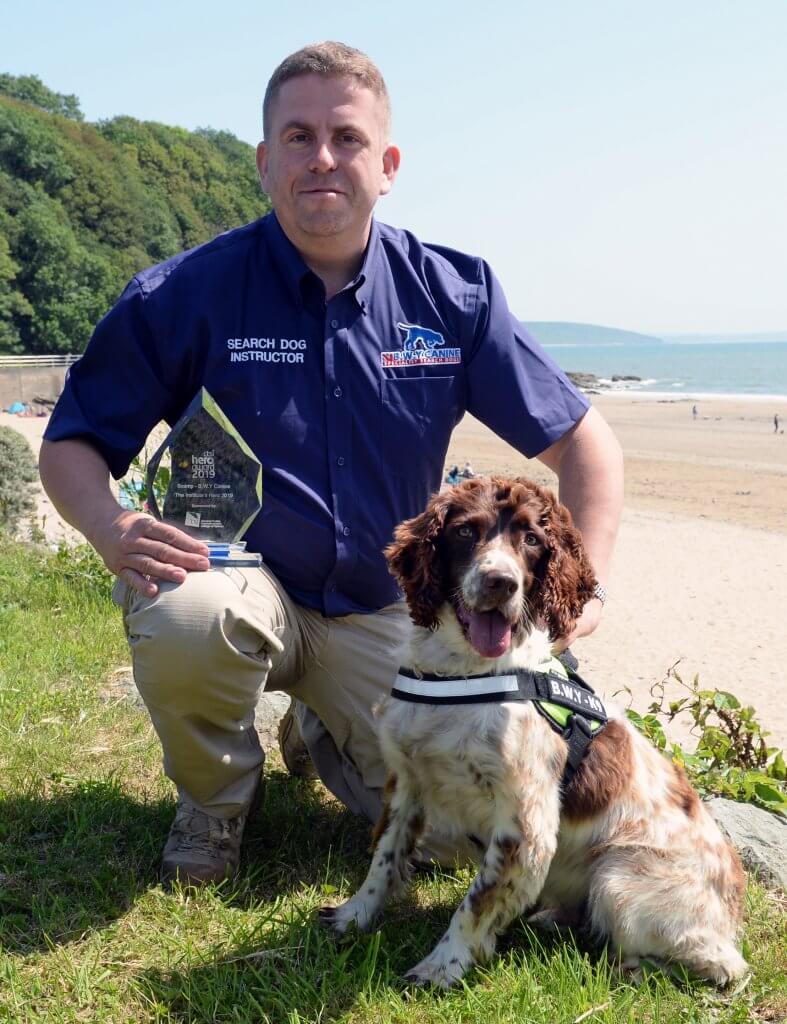
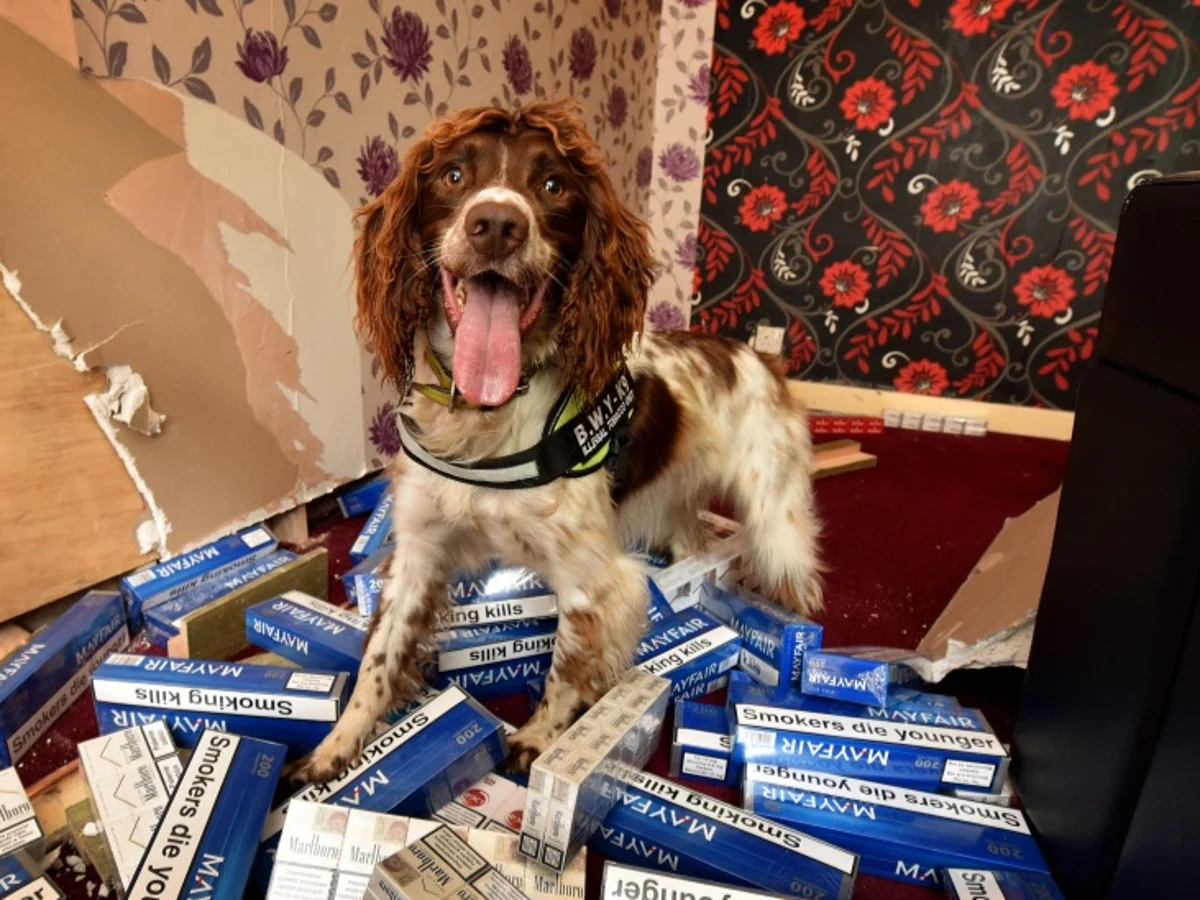
SCAMP, the Welsh sniffer dog so successful that smugglers put a price on his head, has won a prestigious award.

Earlier this year, ASH Wales revealed that Scamp had sniffed out £6million worth of illegal tobacco during his six-year career, leading a criminal gang to put a £25,000 bounty on his head.

And now, the springer spaniel’s exceptional talents have been recognised by the Chartered Trading Standards Institute (CTSI) who have awarded him this year’s Institutes Hero award.

Scamp’s owner Stuart Phillips, who runs B.W.Y Canine in Pembrokeshire, and who trained him to sniff out tobacco as a puppy, said he was ‘exceptionally proud’ that his star pupil had scooped the award:
“I feel exceptionally proud to own, train and work with Scamp. Dogs like him do not come along very often and to have received the Institutes Hero Award is amazing. Scamp has made an unrivalled impression on consumer protection in the UK working with Trading Standards and I’m so glad he’s been recognised.”

Since starting out Scamp, who is also trained to sniff out cash, has worked with over 100 Trading Standards services across the UK sniffing out huge hauls of tobacco from even the hardest to find hiding places as well as wads of cash worth up to £60,000.

His success, says Stuart, is down to his natural hunting instincts and strong worth ethic, which his owner spotted right from the start, after taking him on as a puppy:

“As a dog trainer and dog handler you can only work with what you’ve got. Scamp came from a family who couldn’t cope with him and from day one I knew he was a good dog. Training Scamp is relatively easy, he is a dog that wants to work and he learns pretty quickly. Training him was the easy part, Scamp does all the hard work, sniffing out the illegal tobacco, which the majority of the time is very sophisticatedly hidden.”

However, despite his success, Scamp has his feet firmly on the ground, preferring to stay well out of the limelight as Stuart describes:

“Scamp is a unique dog, he’s actually quite an unsociable dog and doesn’t really like any attention, he just does his job and does it very well. He leads a relatively simple life. He goes to work, does an amazing job and when he returns home all he wants to do is sleep on the sofa and go out down the fields to feed the chickens and annoy the geese we have.

“Almost all of our other dogs love to have attention and a fuss and you always know they’re there, but Scamp is not like this, he is a simple, but highly successful search dog.”

ASH Wales is leading the campaign to tackle the problem of illegal tobacco in Wales. A survey carried out by ASH Wales in 2014 revealed that up to 15% of all tobacco sold in Wales, around 1 million cigarettes a day, is illegal, the highest level in the UK.
Meanwhile 45% of all smokers in Wales have been offered illegal tobacco and 70% of buyers agree that it allows them to smoke when they can’t afford it.