RESEARCH ALERT
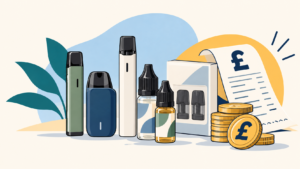
Some vapes use added chemicals to create a cold or icy feeling. New research has raised concerns about three of them: WS-23, WS-3 and WS-5. We do not yet know how common they are in Wales.
Information / Smoking and your lungs
Smoking and your lungs
Tobacco smoke reaches the lungs with every cigarette. Over time it can inflame and damage the airways and lung tissue, contributing to cough, breathing problems, COPD and lung cancer.
Stopping smoking helps at any stage. The lungs start clearing mucus soon after you stop, and breathing can improve over the following weeks and months.
Last reviewed: 24th September 2026
QUICK ANSWER
Smoking damages the lungs and airways.
Cigarette smoke contains harmful chemicals that irritate and damage the lungs. Smoking is the main cause of COPD and the biggest cause of lung cancer in the UK.
What do you want to know?
Why am I coughing or wheezing?
Smoke irritates the airways and can increase mucus. A persistent cough, wheeze or breathlessness can have many causes and should not simply be written off as “a smoker’s cough”.
What is COPD?
COPD is a group of long-term lung conditions that cause breathing difficulties. Smoking is the main cause.
What about lung cancer?
Smoking is the biggest cause of lung cancer in the UK. Risk rises with the amount smoked and, especially, the number of years someone smokes.
Can my lungs recover after quitting?
Yes. Recovery starts quickly. NHS guidance says mucus begins clearing within days, and cough, wheeze and breathing problems can improve over the following months.
What smoking does to the lungs
The lungs are built to move air efficiently and clear particles and mucus. Tobacco smoke repeatedly exposes the airways and lung tissue to harmful chemicals.
NHS guidance on COPD explains that these chemicals can damage the lining of the lungs and airways. With long-term exposure, inflammation and damage can narrow the airways and make breathing harder.
What that can mean day to day
- More coughing and phlegm as the airways become irritated and mucus builds up.
- Wheezing or breathlessness as airflow becomes more difficult.
- Lower exercise tolerance when the lungs cannot move air as efficiently.
- Long-term lung disease, including COPD.
- Higher lung cancer risk from repeated exposure to cancer-causing chemicals in tobacco smoke.
The main lung conditions linked to smoking
COPD. Smoking is the main cause of COPD and is thought to be responsible for around 9 in 10 cases, according to the NHS. COPD includes conditions such as emphysema and chronic bronchitis.
Lung cancer. Cancer Research UK says smoking tobacco is the biggest cause of lung cancer in the UK and causes more than 60% of cases.
Recurring breathing problems. Smoking can contribute to persistent cough, wheeze, breathlessness and chest problems. Symptoms that are new, changing or persistent deserve medical attention rather than being assumed to be normal for a smoker.
Second-hand smoke reaches other people’s lungs too
People nearby can breathe in tobacco smoke from cigarettes and exhaled smoke. Second-hand smoke is linked to lung cancer and can be especially harmful for children and people with existing breathing conditions.
What changes after you stop smoking?
The lungs do not need years before anything improves. Some changes begin within days, with further improvements over weeks and months.
Within 48 hours
NHS Better Health says the lungs begin clearing mucus as carbon monoxide levels fall and the body recovers from smoke exposure.
After 3 to 9 months
Cough, wheeze and breathing problems can improve, with lung function increasing by up to 10% according to NHS Better Health.
Over the longer term
Lung cancer risk falls after quitting. NHS Better Health says the risk of death from lung cancer is around half that of a person who continues to smoke after 10 years smokefree.
When lung symptoms need checking
See a GP if you have persistent symptoms such as a long-lasting cough, regular phlegm, wheezing or breathlessness, particularly if you are over 35 and smoke or used to smoke. NHS guidance recommends getting symptoms checked rather than ignoring them.
A cough or breathing problem does not automatically mean COPD or lung cancer. There are many possible causes, and a GP can assess what is going on.
LATEST
Latest updates on this topic
2 October 2026
New Welsh report highlights confusion over vaping harms as duty begins
More than half of Welsh adults who have heard of vapes wrongly believe vaping is as harmful as smoking or worse, new ASH Wales…
Read update1 October 2026
New vaping duty comes into force across Wales today
A new UK excise duty on vaping products starts today, 1 October 2026. Here is what the £2.20 per 10ml duty, new vape duty…
Read update25 September 2026
Youth smoking and vaping in Wales: what the latest 2025 data tells us
New 2025 SHRN data shows regular vaping and smoking have fallen among secondary school learners in Wales. We look at the latest figures, what…
Read update