

Top Welsh doctor tells smokers to #QuitforCovid or face greater risks from Covid-19

A leading Welsh respiratory consultant is urging smokers to #QuitforCovid now or risk suffering more serious complications if they develop Covid-19.Quit for Covid Wales
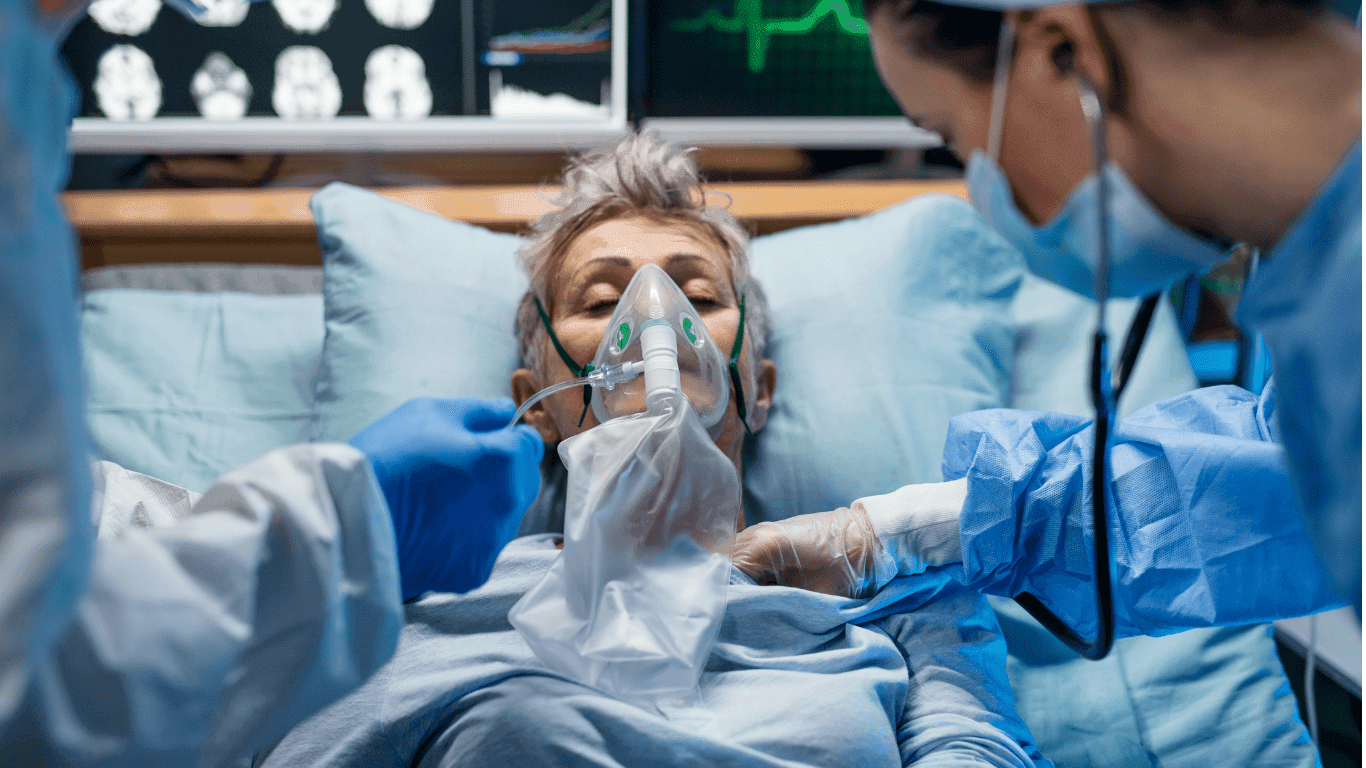
Keir Lewis, Professor of Respiratory Medicine at Swansea University, warns that smokers could be at greater risk of going on to develop the Covid-19 lung illness from the coronavirus. This is because they already have weakened lung defences as a result of their smoking damaging the cells protecting their nose and upper and lower airways.

Meanwhile many smokers will also have existing lung conditions which scientists know from other countries makes them much more vulnerable to the effects of the virus.

Research published in the New England Journal of Medicine examining disease characteristics among Chinese patients found that smokers are approximately 1.5 times as likely to progress to the severe stage of COVID-19 as those who have never smoked. Professor Lewis, said:

“There are two aspects of this which are important. Smokers have got weakened defences and they are more likely to have other lung conditions as well which affect mortality. It looks like if you have a respiratory condition then you are more likely to develop viral pneumonia from Covid-19.

“However, because of the effects of smoking on the immune responses and your body’s natural defences it’s likely that smokers are going to be more at risk independently of whether they have other lung or other medical conditions.”

“Every cigarette you smoke damages your respiratory innate lung defences and your cough reflexes,” he added.

According to Professor Lewis. Lung defences heal quite quickly so giving up smoking even now could significantly improve smokers’ ability to defend from the infection and also recover from the condition by strengthening their body’s immune system. Improvements in lung defences occur within days of giving up.

“If you want to boost your lung immune system and your lung defences, you must stop harming them with cigarettes. Quitting smoking will help the body’s defences to grow back quicker and faster.

“Your mucociliary escalator – the self-clearing mechanism of the body’s airways – starts working better within two to three days after stopping smoking which is why people’s cough gets worse a couple of days after quitting but then improves after a few weeks. All the muck that has built up starts to get cleared. Then the totalmucus in their lungs improves. Their blood white cell count and other natural immune cells that patrol the lung system, are also boosted through stopping smoking.”

He went on to say that by quitting, those who contract Covid-19 illness are less likely to pass on the condition to others:  “If they cough less after stopping smoking with their asthma or COPD they are less likely to pass it on to those around them. Now is a good trigger to stop smoking.”

Currently in Wales 17% of the adult population smoke with prevalence highest
in the most deprived areas of the country. Smoking is the leading cause of premature death and ill health in the country.

Suzanne Cass, CEO of ASH Wales, said: “We know that last year 45% of smokers in Wales tried to quit and 68% of current smokers in Wales would like to give up.

“Smoking is not a lifestyle choice, it is an addiction that leads to devastating health consequences, which is why we would always advise smokers to quit.

“However, in light of concerns about the spread of Covid-19 we would urge smokers more than ever to consider giving up a habit that seriously affects the body’s natural defences.”


Welsh Government to appoint illegal tobacco tsar in crackdown on criminals selling cigarettes at pocket money prices

As Wales marks No Smoking Day 2020, Welsh Government has pledged to crack down on the country’s illegal tobacco trade by appointing Wales’ first specialist dedicated to tackling the problem.

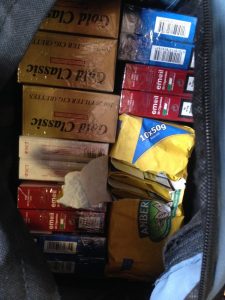
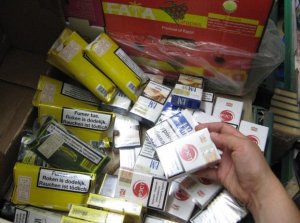
illegal tobacco in walesThe move has been prompted by ASH Wales’ figures showing that 15% of all tobacco sold in Wales is illegal – among the highest proportion in the UK – with social media platforms proving a lucrative way to sell illegal cigarettes, and increasingly high-tech concealment devices being used to hide the goods. Currently in Wales 17% of the adult population smoke.

Welsh Government have now committed to implementing a Wales-wide Illegal Tobacco Programme aimed at gathering intelligence, highlighting the impact of illegal tobacco on public health and introducing tougher penalties for those responsible.

Frank Atherton, Chief Medical Officer for Wales, said:

“Smoking remains one of the biggest causes of premature death and ill health in Wales. The availability of illegal tobacco in our communities undermines our ongoing work to reduce the harm caused by tobacco smoking. This new post will work with stakeholders in Wales to tackle the supply and use of illegal tobacco.”

To support the programme ASH Wales will be holding an illegal tobacco roadshow in Wrexham town centre on No Smoking Day (March 11th) with Trading Standards Officers and sniffer dog teams on hand to gather intelligence and give demonstrations.
Suzanne Cass, CEO of ASH Wales, added: “We very much welcome the new appointment of an illegal tobacco specialist to crack down on the criminals making a mockery of efforts to reduce smoking prevalence in Wales.

“Illegal tobacco is widely available from shops and homes across Wales, presenting a major threat to public health and making cigarettes too easy to reach for young smokers. ASH Wales and enforcement agencies have long campaigned for robust action to tackle illegal tobacco.”

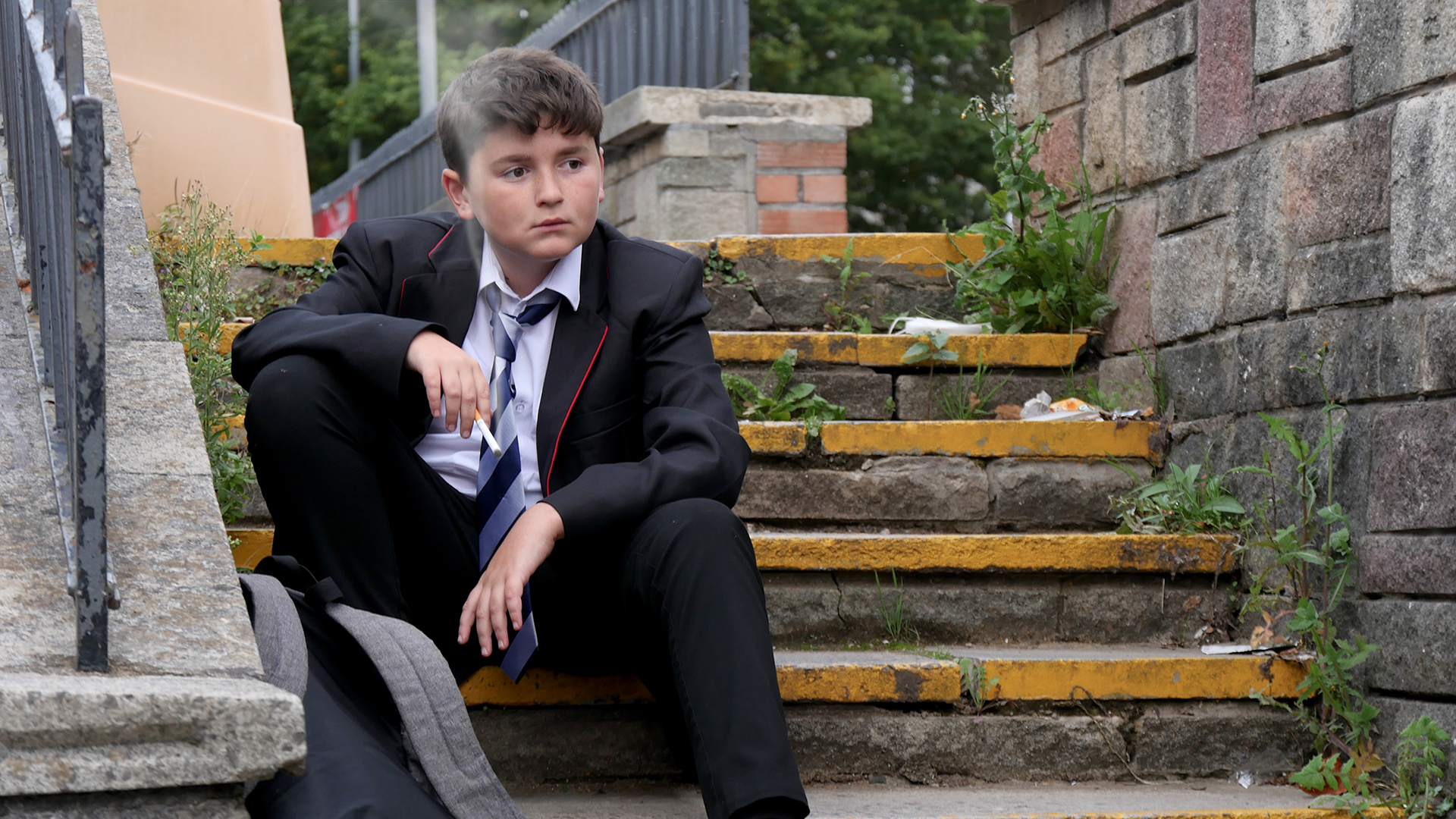
The easy availability of cigarettes sold at pocket money prices in Wales means even children can afford to buy them, undermining efforts to address youth smoking rates and leading to health inequalities in our most deprived communities.

Wrexham Assembly Member and Minister for Environment, Energy and Rural Affairs, Lesley Griffiths said: “In addition to being seriously harmful to your health, illegal tobacco has strong links to low-level and large-scale organised crime. Children and young people are often targeted, and it can have a damaging effect on some of our poorer communities in particular.

“It is extremely challenging for the authorities to counteract but the more people are aware of the risks associated with buying and selling illegal tobacco, the greater chance it becomes less socially acceptable.”

Roger Mapleson is Trading Standards and Licensing Lead at Wrexham County Borough Council. He said one of his team’s biggest concerns is the availability of cheap illegal tobacco to young people, with smoking rates among 15 to 16-year-olds currently at 9% in Wales: “I doubt there is a school in Wales that hasn’t got a supply of illegal tobacco close to it,” he said.
Describing some of the challenges his team face, he added: “Much of the intelligence we get relates to illegal tobacco being sold from retail outlets. And these people have moved on to using increasingly sophisticated concealment methods.

“Considerable amounts of money have been spent on concealments like false tiles in the wall or lifts that pop up out of the floor triggered by an electric switch. There has also been a move towards keeping the bulk of stock off site in various remote locations and regularly restocking.
“Social media transactions are a whole other issue. We’re aware that it is being advertised on the likes of Facebook and that it’s starting to move off that platform and onto other social media platforms that are even harder to track.”

Collin Singer is CEO of Wagtail, which provides tobacco detection sniffer dogs to Trading Standards teams. He said: “Illegal tobacco is big business, particularly in North and South Wales.
“We’ve come across electronic concealment devices hidden under the floor, false walls operated by electromagnets and chutes behind the counters that get filled up from upstairs each time somebody wants a packet of cigarettes.”

According to ASH Wales, 45% of smokers in Wales have been offered illegal tobacco with £4 the average price paid for a pack of 20 illegal cigarettes

What will it be like 365 days after quitting smoking?

This #NoSmokingDay 2020 we’re looking at how you’d feel one year later if you were to quit smoking for good on March 11th.

After one year you would be 50% less likely to have a heart attack or a stroke

Tiredness and shortness of breath will be a thing of the past.
Cilia, the air sacks in your lungs, will have regrown and healed
some of the damage caused by smoking

You’ll be feeling fitter than ever before and able to walk long distances and do exercise without becoming short of breath

You’ll look in the mirror and you’ll notice that your hair and skin are
in much better condition

Your bank balance will be looking far healthier too. Since giving up
smoking a year ago, you’ll have saved £3796 if you smoked 20-a-day
and £1898 if you smoked 10-a-day

The smell of smoke lingering on your clothes and in your
home would be a thing of the past

Your future is looking bright. Within another four years, your risk of
developing diabetes will be the same as that of a non-smoker
In 9 years, you’ll hit the 10-year smoke free mark when your chance of death from lung cancer is half that of a smoker

You’ll notice an improvement in your mental health now you are free from an addiction that destroys lives.
Cigarette cravings will be a distant memory and you will no longer be ruled by the highs and lows of nicotine addiction

The tar in your respiratory system will be eliminated and your
voice will be clear again

There are many positive reasons for trying to quit this #NoSmokingDay2020

However, quitting alone isn’t easy and you are far more likely to succeed with help and behavioural support. Help Me Quit is a FREE NHS service in Wales that can help you stop smoking. Give their team a call today or pop into your local pharmacy for advice and support

0808 250 6061

ASH Wales backs call by Cancer Research UK for a target to end smoking in Wales

Today Cancer Research UK has called for Welsh Government to set a target to reduce adult smoking rates to a maximum of 5% by 2030.

The charity forecasts that the numbers of smokers in Wales could fall by 220,000 between now and 2030 if such a target is set.

ASH Wales strongly supports this call for an endgame target to eradicate smoking in Wales and believes this should form part a key part of the Welsh Government’s new Tobacco Control Plan.

Across Wales 17% of the population still smoke with 30 young people taking up the habit every day.

This deadly addiction leads to thousands of deaths in Wales every year and costs the Welsh economy £790.66 million a year. It is responsible for the stark health inequalities that continue to blight communities across Wales, with smoking prevalence highest in our poorest areas.

We have come a long way in reducing smoking prevalence. And if the Welsh Government sets an endgame target, we will have an opportunity to stamp it out completely.

However, in order for us to have any realistic chance of reaching that target, steps must be taken to focus efforts on providing targeted smoking cessation support to the remaining 467,000 smokers in Wales.

We believe that a community-based approach to smoking cessation is needed, providing accessible and tailored support to those hardened long-term smokers that need it the most.

Preventative action is also crucial. Smoking prevalence among 15 to 16-year-olds has remained at 9% since 2013 and recent figures have shown that a third of pregnant teenagers in Wales smoke. It will not be possible to hit the target unless more is done to prevent young people from becoming the next generation of smokers in Wales. We support the introduction of more smoke-free spaces aimed at de-normalising smoking in the eyes of young people and have called for education about the harms of smoking to be part of the new Welsh curriculum.

ASH Wales to team up with Smokefree Wrexham for #NoSmokingDay2020

Illegal tobacco, smuggled into the country by organised criminal gangs is sold from homes, shops and even pubs across every community in Wales.

Despite tireless work by Trading Standards team, the trade in counterfeit cigarettes is thriving, with 15% of all the tobacco consumed in Wales being illegal, the highest proportion in the UK.

This No Smoking Day, we will be shining a spotlight on Wales’ illegal tobacco trade, meeting those tackling it on the front line and hearing about its impact on our communities at an event in Wrexham’s Queen’s Square. 
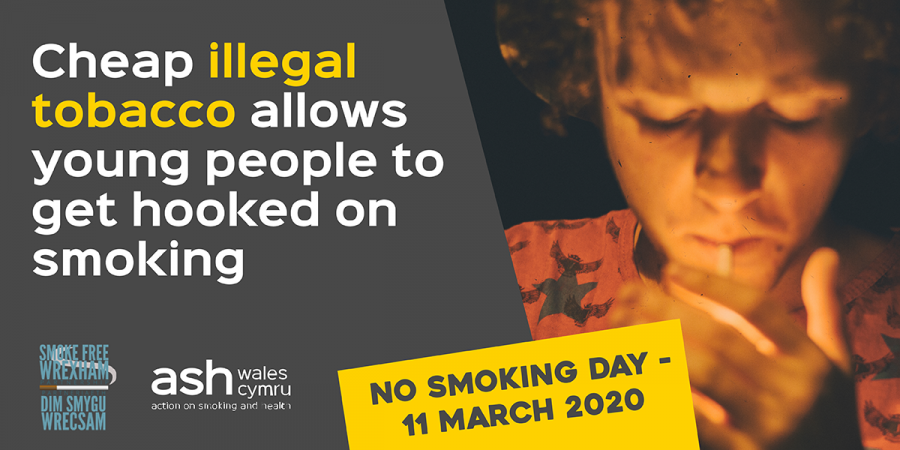
Taking part in the event from 11am to 2pm on Wednesday March 11 will be Wagtail, who will be bringing along their team of expertly trained  sniffer dogs to give a demonstration of how they sniff out hauls of illegal tobacco.

Teams of Trading Standards officers from Wrexham Council who will be on hand to give advice about illegal tobacco and take information from the public.  Officers from the North Wales Fire Service will speak to the public about the fire risks of illegal tobacco and representatives from Public Health Wales and local pharmacies will talk to smokers about the best ways to quit.  If you would like to find out more email diana@ashwales.org.uk.

Smoking and the cancer connection

To mark World Cancer Day, we’ve taken a look at the smoking and cancer connection and how the chemicals in tobacco lead to catastrophic changes in our DNA.

Smoking and cancer go hand-in-hand. It is the single biggest preventable cause of cancer in the UK, according to Cancer Research UK, leading to 15 different forms of the disease.

The cancer is caused by the chemicals contained in cigarette smoke which are inhaled then enter the bloodstream. The most common form of cancer caused by smoking is lung cancer. Smoking causes around 7 out of every 10 lung cancer cases in the UK and it is the most common form of cancer deaths, including in Wales where it kills more people than bowel and breast cancer combined. Other cancers caused by smoking include mouth, pharynx (upper throat), noses, sinuses, larynx (voice box), oesophagus, liver, pancreas, stomach, kidney, bowel, ovary, bladder, cervix and some forms of leukaemia.

There are different ways in which the chemicals in tobacco smoke lead to cancer. One way is that the chemicals actually damage the DNA in our bodies. DNA controls the way cells behave. One chemical contained in cigarette smoke, benzopyrene, damages a part of our DNA that usually protects our cells from becoming cancerous.

Other chemicals, such as chromium, cling strongly to our DNA, creating a high risk that the cells will develop into cancer.

The chemicals also damage the cleaning system within our bodies that is used to remove toxins, making it harder for smokers to handle toxic chemicals compared to those with healthy lungs.

The more cigarettes a day you smoke, the higher your risk is of developing cancer. Each cigarette is capable of damaging DNA. It is the build of up damage in a cell that leads to cancer. According to Cancer Research UK, research has shown that for every 15 cigarettes smoked, there is a DNA change which could cause a cell in the body to become cancerous.

Stopping smoking is the only way to reduce your risk of developing cancer. It’s never too late to take that step. If would like more advice on how to quit, contact NHS Wales’ Help Me Quit service on 0800 085 2219 or click here