ASH Wales Welcomes New Plan to Improve Respiratory Health in Wales

A new respiratory health plan launched today by Wales’ Health Secretary Vaughan Gething has been welcomed by tobacco control charity ASH Wales.

The updated plan outlines work to improve smoking cessation services and support to better diagnose Chronic Obstructive Pulmonary Disease, known as COPD. A life-limiting disease, 90% of cases are due to smoking. There is an estimated 57,000 people in Wales with the condition, which doesn’t usually develop until someone reaches their 40s to 50s.

A number of other lung conditions can be caused by smoking or can be exacerbated – asthma, cancer and persistent chest infections – and support for these is also included within the plan which was launched today at Prince Charles Hospital in Merthyr Tydfil.

Suzanne Cass, Chief Executive of ASH Wales Cymru, said: “With an estimated 57,000 COPD sufferers in Wales, this plan is a huge step forward in better supporting those with this illness and helping others to be diagnosed timely, so they can receive the right treatment they need and sooner.”

“The best possible thing for anyone’s lungs is to quit smoking, or for a non-smoker, to stay away from others smoking around them. Quitting smoking isn’t easy but there’s free support advice out there, including Wales’ Help Me Quit service.”

The Help Me Quit service and website offers tailored advice specific to the needs of would-be quitters. To find out more call 0800 085 2219 or visit helpmequit.wales

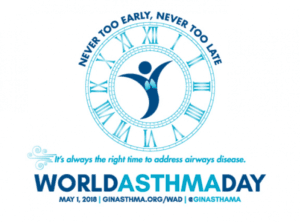
Never Too Early, Never Too Late – World Asthma Day

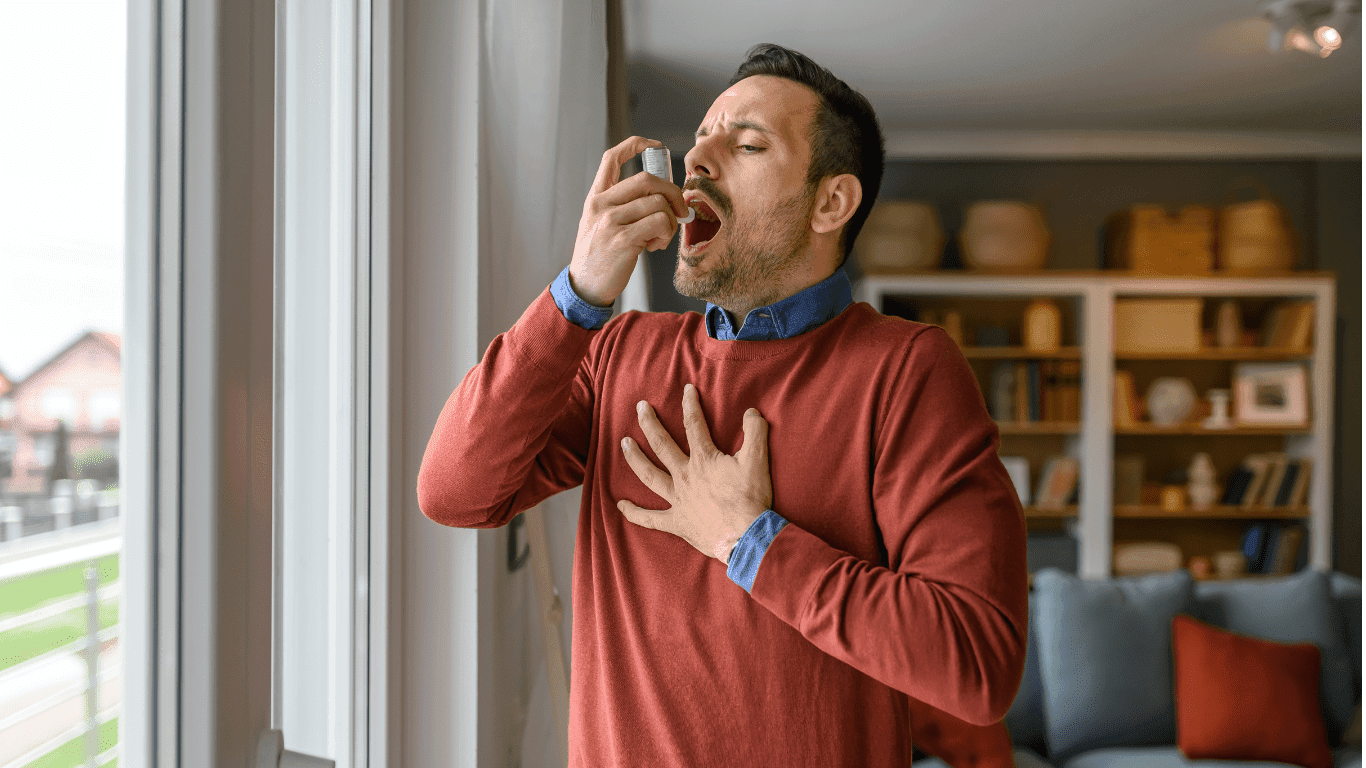
Today marks the 20th annual World Asthma Day, held each May to raise awareness of asthma worldwide.

Organised annually by Global Initiative for Asthma (GINA), the theme of this year’s World Asthma Day is “NEVER TOO EARLY, NEVER TOO LATE. It’s always the right time to address airways disease”. The theme provides a call to action for patients and healthcare providers and places emphasis on an individual’s choice; important due to the fact that as a health condition, asthma cannot be cured but can be controlled by bringing in a few lifestyle changes.

The connection between smoking and asthma and its impact is evident when we consider 28% of asthma deaths in the UK occur as a result of smoking or being exposed to second-hand smoke. Research shows that tobacco smoke damages the cilla in the lungs, these are tiny hairs that sweep irritants away such as dust, smoke and pollen. Tobacco smoke also contains more than 4,000 chemicals, including carbon monoxide. It is the carbon monoxide which makes it harder for oxygen to circulate round the body.

Since 2007, smoking in indoor public places has been prohibited by law in the UK.  It is still possible however for non- smokers to be exposed to second-hand smoke in the home, in outdoor workplaces, in private vehicles or in outdoor social settings. Research has shown asthmatics are most at risk when exposed to second-hand smoke in small enclosed spaces such as bedrooms, living rooms and cars, due to a high concentration of toxic pollutants in one space. ASH Wales are currently running several campaigns to limit the harm caused and health implications which arise as a result of second-hand smoke with focus on its impact on the next generation in particular. Smokefree HomesSmokefree School Gates and Smokefree Beaches are just a few of the campaigns which address this issue.

Studies have shown children are particularly vulnerable to second-hand smoke as they breath more rapidly and will inhale more pollutants per pound of their body weight. Babies and children also take more smoke into their lungs as they are still growing and their immune system isn’t full developed yet. Asthma UK warn parents that small children exposed to tobacco smoke are likely to have respiratory infections and wheeze, and are more likely to develop asthma later in life. ASH Wales’ Smokefree Baby & Me is a targeted campaign looking to reduce the number of women smoking in during pregnancy. According to a report by the Royal College of Physicians pre-natal smoking will increase a child’s risk of developing asthma by 90% during the first two years of their life.

In line with the campaign, it is never too early or too late to stop smoking, whether it is for yourself or your children. Free NHS help and support is available via Help Me Quit or call 0800 085 2219.

How You Can Keep Your New Year’s Resolution To Quit Smoking?

Quitting smoking is one of the most popular New Year’s resolutions. If you have decided to quit smoking starting next year, look at these quit tips that will help you to make your determination last.

Reward Yourself

Now that you’ve worked at your New Year’s resolution to quit smoking, it is time for a reward. Because buying tobacco is burning a hole in your pocket, it can be quite surprising how much money you can actually save. Use that to treat yourself for your accomplished efforts.

Make Plans and Take Notes

Buy a diary to write down your quitting goals. Make them clear, relevant and time-bound. Planning will help you keep track of your steps, and support long-term success in quitting smoking. Somewhere along the line you will look back and see what you have already accomplished. Make a list of your motivations to quit. In addition, you can check out our Quit Tips for inspiration.

Get as Much Support as You Need

Remember, you are not alone. Turn to your family and friends for advice. If you feel any difficulties or just need to share your progress with someone, contact us here, on our Facebook or Instagram

Don’t Have Too Many Expectations

When you are making your New Year’s resolution to quit smoking, it is very tempting to tell yourself: “I will never have any cigarette after 1st of January.” And although quitting cold turkey may work for many, sometimes it can be too overwhelming and as a result, we can feel like our goal is too hard to manage and stop in our efforts. Instead of doing all at once, try to break your journey into bite-sized portions. If you are a heavy smoker, maybe start with lowering the number of cigarettes you smoke per day.

Put Yourself In Charge

While people around you such as friends and family can help you, it is you who decided to give up smoking. Maybe one of your reasons to quit was that you didn’t want the addiction to control your life? Did you also know that smokers die on average 10 years earlier than non-smokers? If you wonder how being smokefree will change your body, check out our quitting timeline. Any amount of days that you have managed not to smoke is already doing good for your health. The responsibility for your future is in your own hands.

Don’t Give Up

Someone once said “It is not a shame to fall down. It is a shame not to get back up.” Some ups and downs will be inevitable and any change in life seems like a lot to manage in the beginning. Maybe you will not always stick to the plan completely. But don’t let this be a reason to stop trying altogether. Forgive yourself, get up and try again.

ASH Wales Welcomes the British Medical Association’s New Position on E-Cigarettes

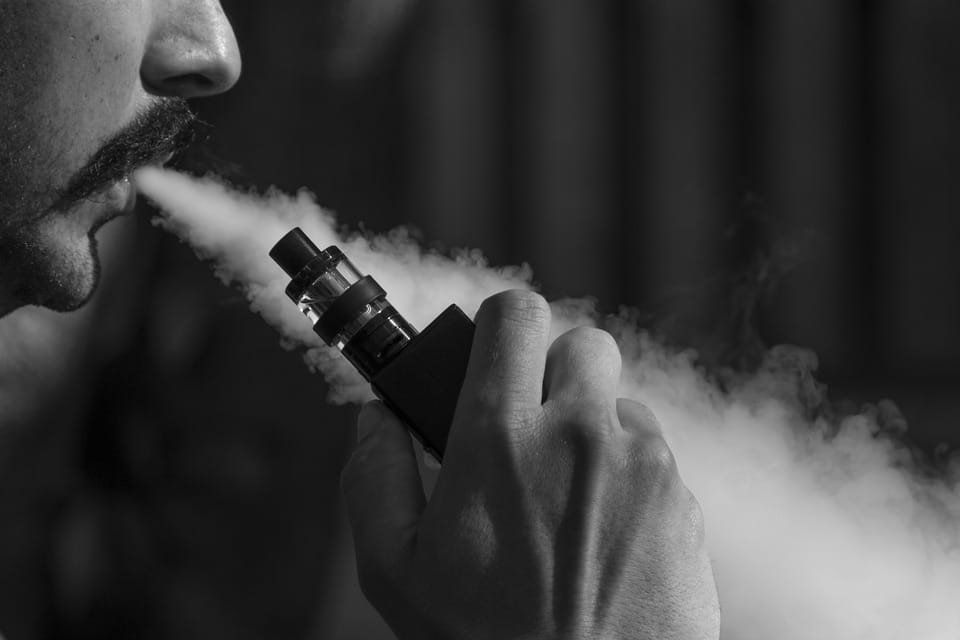
The British Medical Association (BMA) has published a new position statement on the use of electronic cigarettes to quit smoking.

The statement, released on Wednesday 29th November, takes into consideration policy changes in the UK due to the European Tobacco Products Directive and the ever-emerging evidence on the effects of e-cigarettes on health, especially in comparison to traditional cigarettes.

The BMA’s renewed position statement says; “Significant numbers of smokers are using e-cigarettes (electronic cigarettes), with many reporting that they are helpful in quitting or cutting down cigarette use. There are clear potential benefits to their use in reducing the substantial harms associated with smoking, and a growing consensus that they are significantly less harmful than tobacco use.

“With appropriate regulation, e-cigarettes have the potential to make an important contribution towards the BMA’s ambition to achieve a tobacco-free society, leading to substantially reduced mortality from tobacco-related disease”.

Steven Macey, Research and Policy Officer for ASH Wales, said; “Consistency of message is so important when it comes to health, especially around emerging and popular topics such as with e-cigarettes. The ongoing debate about the merits of e-cigarettes has led to continuing uncertainty among the public and healthcare professionals with regards to their usage – the BMA’s statement helps to allay these concerns.

“Public health messaging must convey the fact that using an e-cigarette is significantly less harmful to health than smoking conventional tobacco cigarettes and, as a result of this, e-cigarettes should be promoted as a viable smoking cessation option for smokers wishing to kick their deadly habit.”

BMA’s key points include:

  • Growing consensus that e-cigarette usage is substantially safer than smoking tobacco
  • Unlike smoking, e-cigarettes do not combust – the harmful part of tobacco use. E-cigarette vapour may contain some toxicants, they are typically present at levels which are much lower than in tobacco smoke
  • E-cigarettes currently available are consumer-regulated products which have to meet product safety standards, but the standards are not as rigorous as for licensed medicines
  • Given the limited time for which e-cigarettes have been widely available, there is limited information about the long-term health impact of their use

How Does Second Hand Smoking Harm Your Pet?

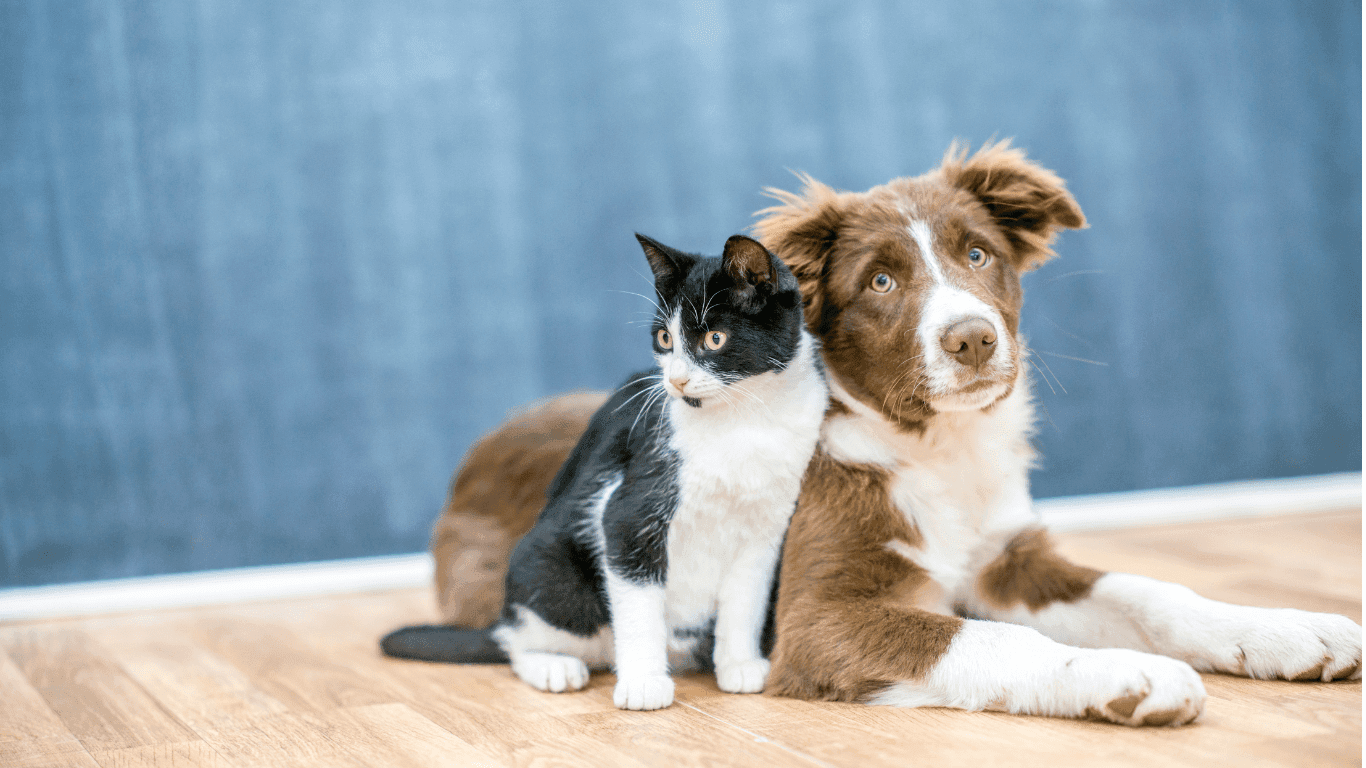
We already know that second-hand smoking can be harmful to the people around us, but sometimes we forget about our furry, feathered and scaly friends – our pets. They are the ones that spend the most time in our homes and they have usually smaller lungs than humans, which is making them more vulnerable.

How smoking harms your pet?

We are constantly influencing pets with our habits, smoking being one of them. It is true that smoking harms your pet as it can bring them a lot of diseases including heart problem, cancer or nicotine poisoning. Let’s have a look at what does smoking and pets really mean.

Cats are notorious for their grooming habits. Instead of having a shower like us humans, they lick themselves throughout the day to keep clean. Someone that is smoking and pets his or her cat directly after without washing hands ends up rubbing harmful chemicals directly onto cat’s hair.

The smoke from cigarettes sticks to the furniture and then to cat’s fur. Cats lick off these substances during grooming which can result in deadly oral cancer.

study published in 2002 has shown a bigger chance of developing a malignant lymphoma (a form of cancer) in cats exposed to second-hand smoke opposed to those living in smokefree households.

Dogs don’t like cigarettes.

Nicotine is a toxic substance that seriously harms your pet if ingested. In just one cigarette, the amount of nicotine can cause various health problems, particularly for small dogs. The signs of nicotine poisoning include seizures, odd behavior, vomiting, diarrhea or tremors.

As dogs are likely to chew on anything, it is advisable to keep nicotine products out of their reach. If you suspect your pet might have suffered a nicotine poisoning, seek veterinary help immediately.

Birds deserve clean air.

The smoke that comes out of a cigarette contains thousands of chemicals that mix with the air your pet breathes. Many of them are known to cause cancer. The amount of harmful substances is even higher in second-hand smoke than amount the smoker is inhaling directly.

A bird’s respiratory system is different to ours. It is slower than that of mammals of similar size and more effective in transferring oxygen. This also means that birds breath in more toxins and are sensitive to air pollution as a result.

Smoking around your parrot also causes smoke to fall down on its feathers. This can lead to feather plucking, a harmful habit that is hard to get rid of.

What about rabbits, fish, guinea pigs…?

No animal is safe from the health risks caused by second-hand smoke (inhaling fumes from someone else’s cigarettes) and third-hand smoke (smoke sticking and falling on home furniture, fur etc.).

You can make certain precautions to help them lead a healthy life and lengthen their life span. You can even save money on vet bills by not smoking at home. We suggest you step outside to smoke and wash your hands before cuddling with your furry friends.

However, sometimes smoking harms your pet  no matter how much you try to eliminate the risks, so you may still want to consider quitting as the best option. Pets can be a great help when it comes to tackling cravings. Having nice long walks with your dog or cuddling a cat can both help to keep your mind off cigarettes. And remember – a smokefree pet is a happy pet.

Sources: http://www.petmd.com/dog/wellness/can-pets-get-cancer-owners-smoking
https://www.petfinder.com/cats/cat-health/pets-and-second-hand-smoke/ https://www.livescience.com/7378-secondhand-smoke-cancer-pets.html

What Is It Like To Volunteer at ASH Wales

Story of how a Czech girl ended up in Wales to help people quit smoking through graphic design.

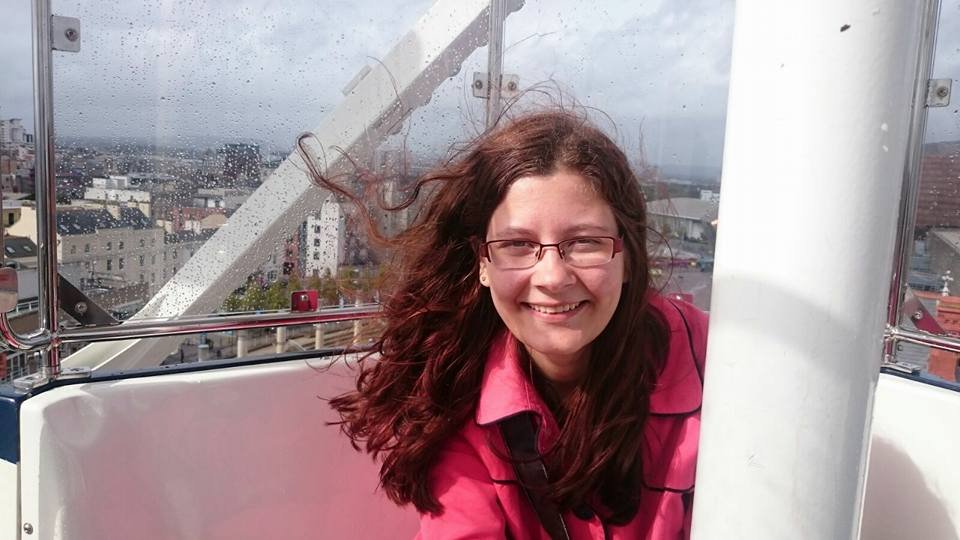
My name is Anna and I come from the Czech Republic. I have been a volunteer at Ash Wales since the beginning of September. Before this, I studied Interactive graphics for three years in Prague and then Graphic design (Top-Up) for one year in Southampton Solent University. After finishing my studies, I was looking for an opportunity to excersise my design skills in a real company. That is what I am able to do now thanks to taking part in the European Volunteering Service.

As a volunteer at Ash Wales, I am mostly doing graphics and animations for The Filter’s social media and Smokefree Me. I have a lot of creative freedom which is what I like the most about my work. There are always projects that I can help with. For example I worked on a video about how much you can buy instead of cigarettes if you quit smoking for a year. I also did graphics for motivational stories about quitting or the damage that smoking can cause to your eyes. I also helped by doing infographics for the annual report so my work has also been printed.

The Ash Wales team also took me with them to work at the Freshers Fayre of the Cardiff Met University. My task was to present The Filter project to young people and get them to try our CO monitors. We were very busy and it surprised me how many young people are interested in quitting smoking. I also helped out at The Filter international event in Welsh centre called Urdd. I am hoping I will have a chance to join the youth team in their future activities.

Besides being a volunteer at Ash Wales, I am doing many other things with the five other volunteers I share a house with. They also work in different organisations in Cardiff. Together, we are trying to use our time here as best as we can. So far we have visited the Brecon Beacons national park, the Sant Fagans National Museum of History or Caerphilly Castle. There are still many places that we are planning to visit in Wales and the rest of the UK.

Although we come from different countries, we can always find things that we have in common and teach each other about our culture. Two of my housemates are also organising a Language Tandem every other week. It is a great opportunity to meet new people from different countries.

So far I am very happy with my stay in Ash Wales. I am looking forward to new projects and adventures.