
Welsh Teens Stop Smoking Project Reaches a Thousand Young People Across Europe

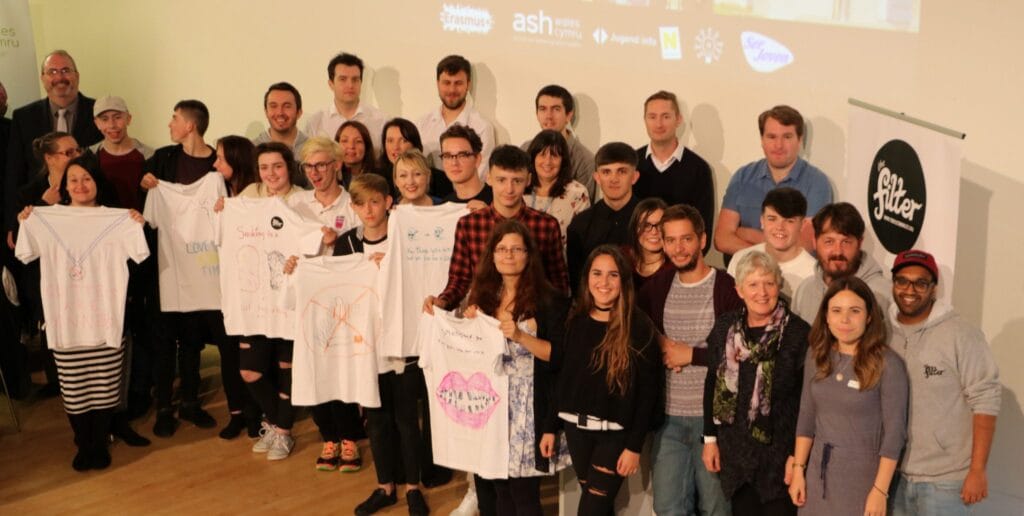
A stop smoking project led by Welsh teenagers today (Thursday 21st September) celebrated engaging with over 1,100 young people across Europe with a showcase event in Cardiff Bay.

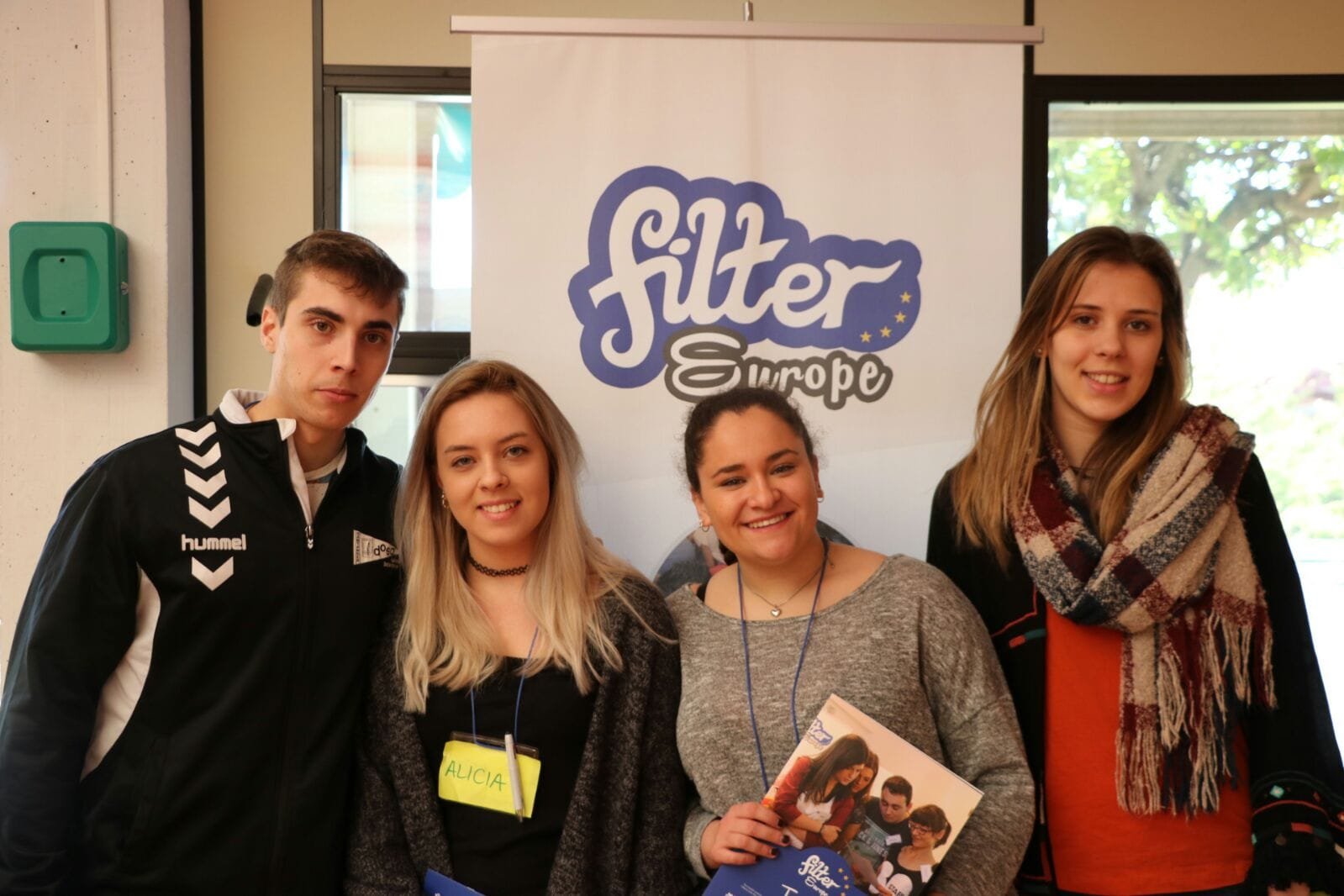
Over the past two years tobacco control charity ASH Wales Cymru has been leading on an Erasmus-funded European project called The Filter Europe.

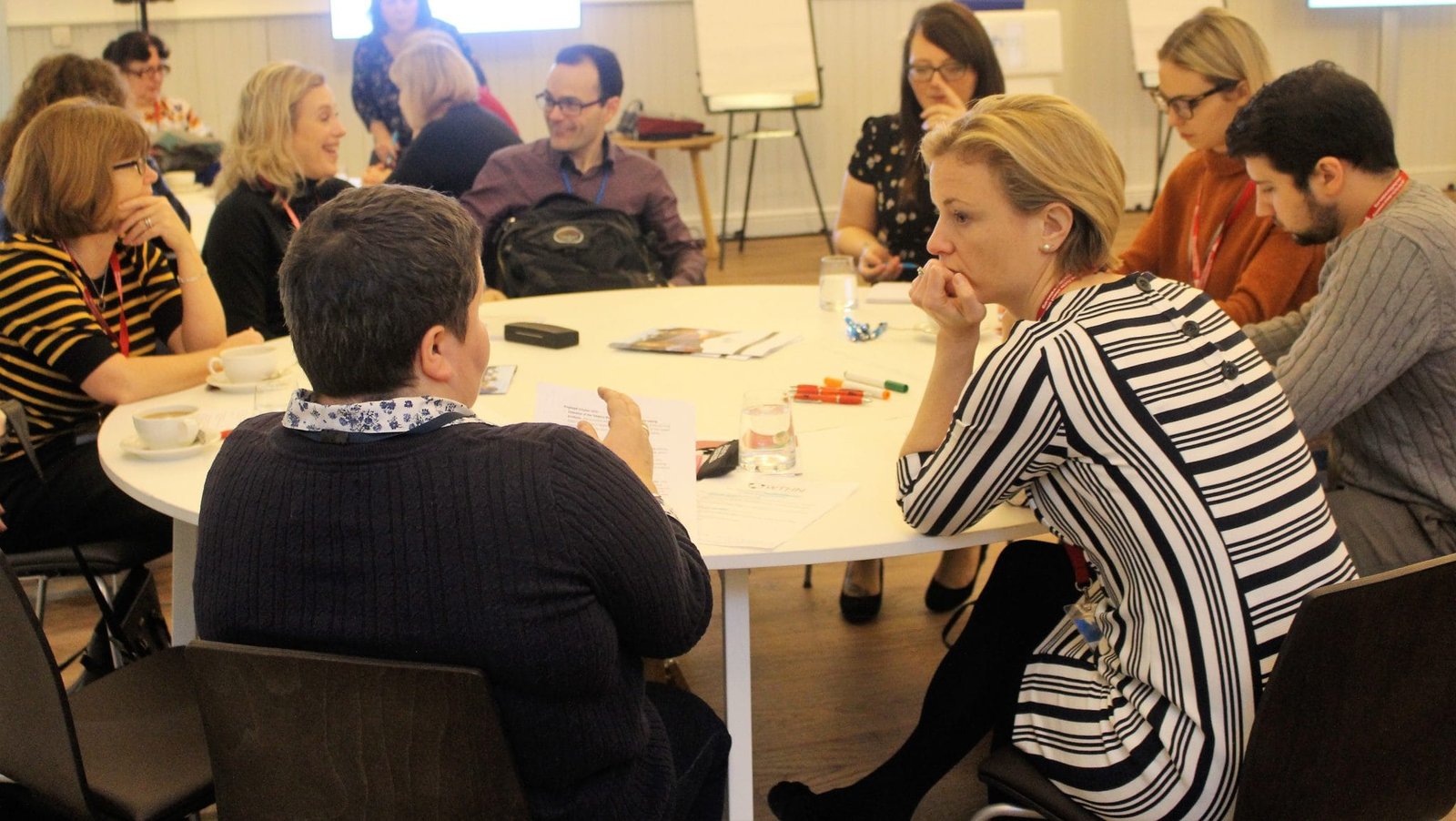
The event, supported by Minister for Social Services and Public Health, Rebecca Evans marked over 300 youth leaders from 6 EU countries being trained by the scheme. A further 800 have benefitted from the peer-to-peer education in their home countries.

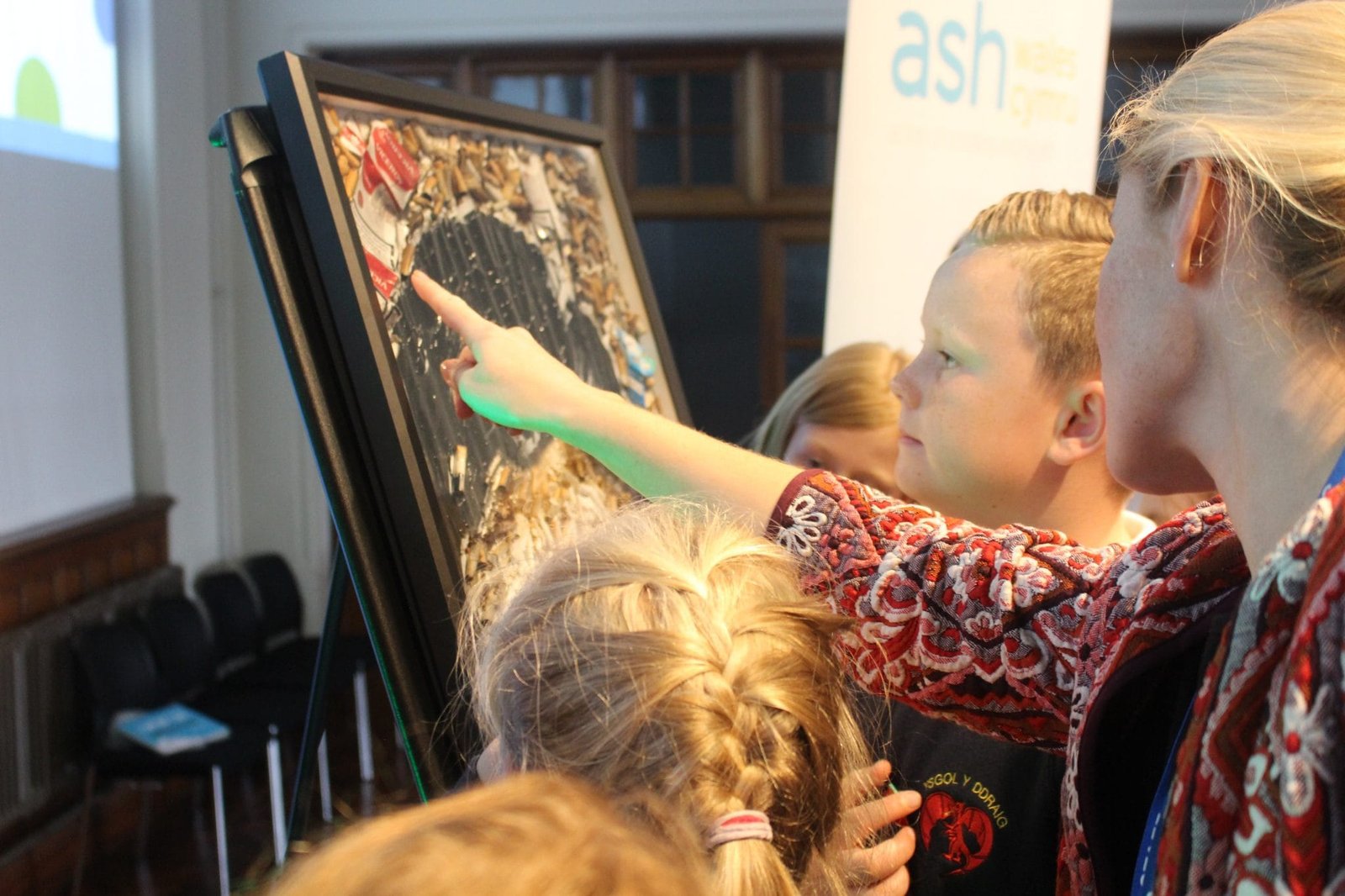
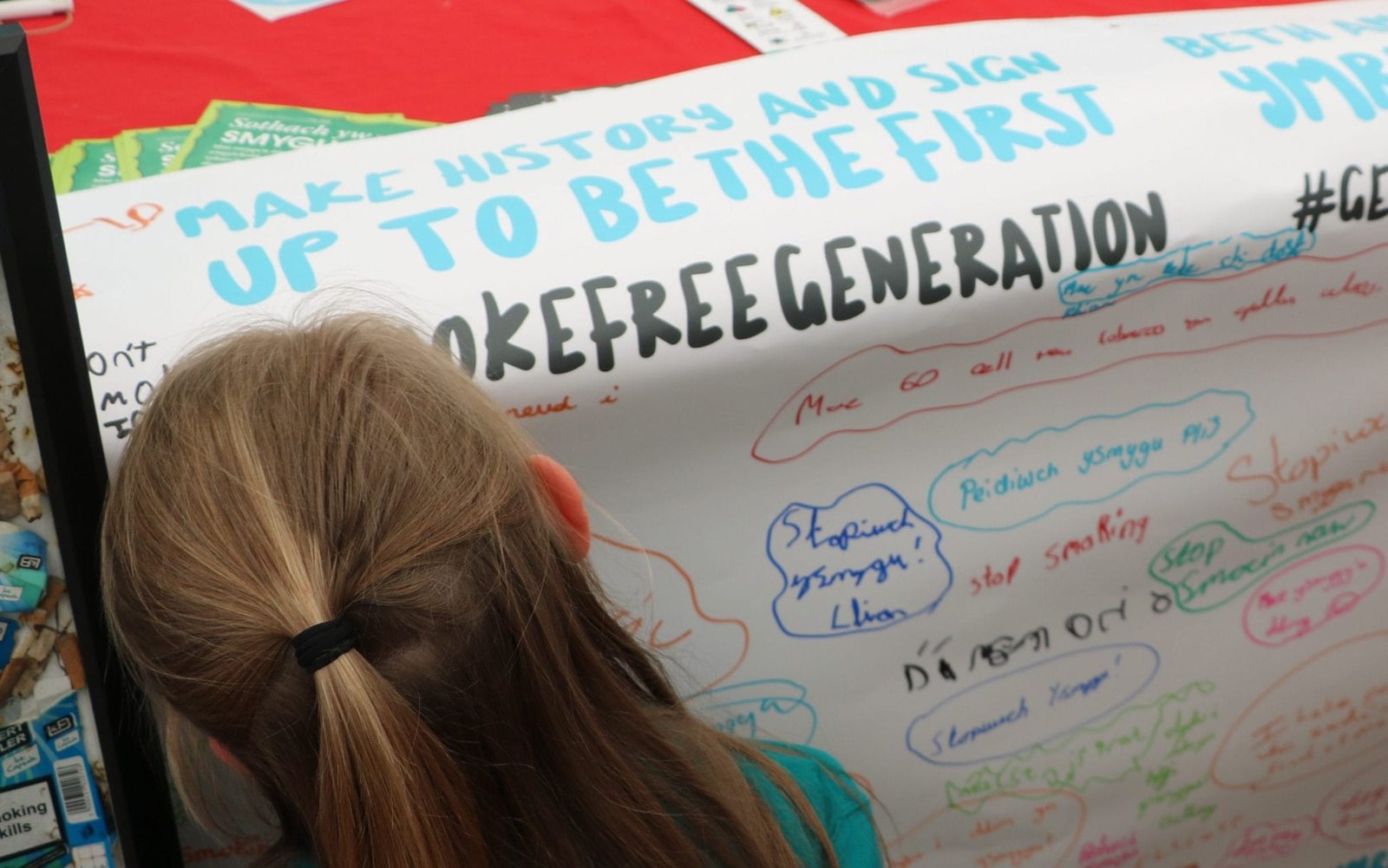
As part of the project, teenagers from Cardiff, Aberystwyth, Colwyn Bay and Merthyr have worked together to create a young person-friendly toolkit with workshops for youth workers across the European Union to use to encourage their young people to quit smoking or not start in the first place.
40% of long term smokers in the UK start before the age of 16 and currently 9% of 15 to 16-year olds in Wales smoke regularly. Smoking is the largest cause of preventable death in the European Union.

The European project – which has educated teenagers from Spain, Austria, Romania, Belarus and Poland – replicates the work ASH Wales has been doing specifically working with youths from disadvantaged areas in Wales.

ASH Wales has run a well-established, unique stop smoking service for young people across the country for 5 years. It supports 11 to 25-year olds to quit smoking through engaging and inclusive workshops and has worked with 6,000 young people since 2012.

Julie Edwards, who runs The Filter Europe project in Wales, said: “The Filter Europe has seen hundreds of inspiring youth leaders, speaking many different languages and from hugely varying backgrounds working together to make this project a success. They’ve produced a stop-smoking toolkit which is something tangible they can then take home to their communities and support their friends to quit tobacco.

“The workshops within the toolkit – created by young people for young people – have already started being delivered and they will make a huge difference not just to their friends, but to these teens personally for having created something worthwhile and something to be proud of.”

Minister for Social Services and Public Health, Rebecca Evans, said: “Educating young people about the harms associated with smoking can have a major impact in our aim to reduce smoking prevalence. The Filter Europe is equipping young people with the knowledge to influence future behaviour and health outcomes.”

The Filter Europe toolkit is available for free to any youth centre or project in Wales, contact ASH Wales for a copy.

Health Minister Launches Wales First Smokefree University

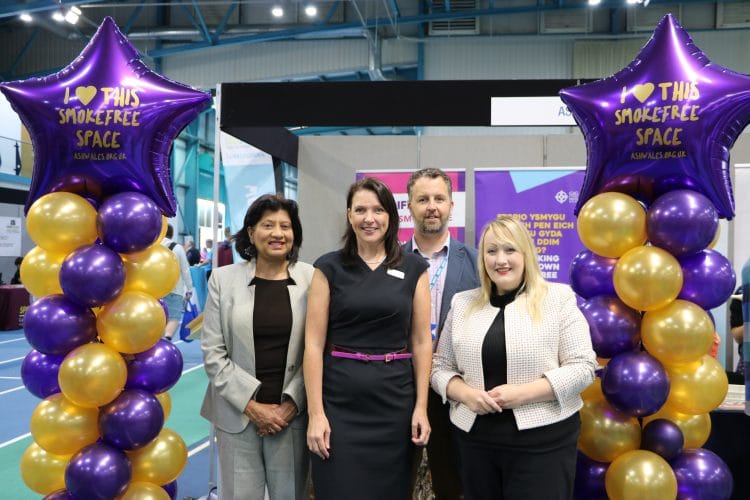
Cardiff Metropolitan plans to become Wales’ first smokefree university will be officially launched by the Minister for Social Services and Public Health, Rebecca Evans, today (Wednesday 20th September).

Working in partnership with tobacco control charity ASH Wales Cymru, the university will ban smoking at all campuses, halls of residences and Student Unions by 2019.

Staff and students will be fully supported to quit smoking and tobacco products will be removed from Student Union shops and replaced with alternatives such as e-cigarettes and nicotine patches.

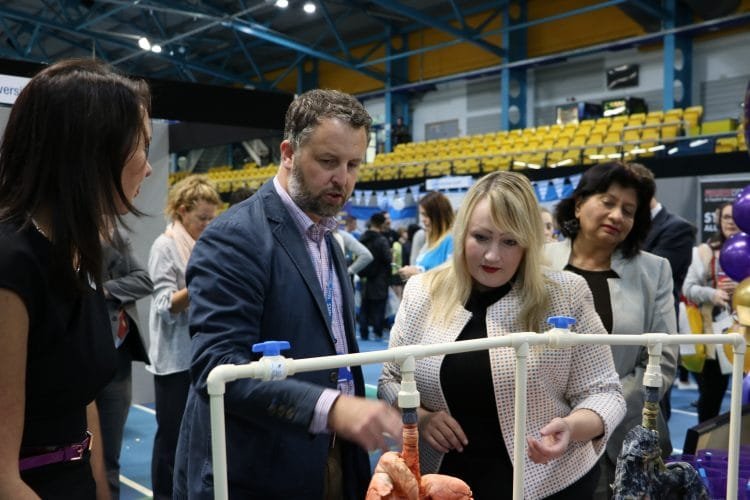
Today’s ribbon-cutting ceremony at the Freshers Fayre at the university’s Cyncoed campus marks the start of the two-year implementation plan which will set the standard for universities across Wales.

Cardiff Metropolitan conducted surveys into attitudes towards making the grounds entirely smokefree and found staff had no objection to the plans and students said it would not have had a negative impact on their choice to attend.

Minister for Social Services and Public Health, Rebecca Evans, said: “This is a great result of partnership working by ASH Wales, Cardiff Metropolitan University staff and students to actively promote and protect health and wellbeing of its community. This is a major step for Wales to creating a safer healthier smokefree environment for our young people.”

Deputy Vice-Chancellor (Academic) of Cardiff Metropolitan, Professor Sushila Chang said: “Cardiff Met is delighted to be the first university in Wales to commit to smokefree campuses – it really is a hugely positive step that will allow all our students, staff and visitors to enjoy our outdoor spaces.

“We are committed to being a healthy university and are extremely proud to have been a Welsh Government Gold Corporate Health Standard holder since 2011.

“We very much look forward to working together with ASH Wales over the next two years. With their help and our on-site support we believe we can assist students and staff who wish to quit smoking and stay smoke free for life.”

Speaking at the event, ASH Wales’ Chief Executive, Suzanne Cass said: “With the number of smokers falling year on year it is important we create smokefree spaces that can be enjoyed by everyone. Cardiff Metropolitan’s plans are forward-thinking and are completely in line with emerging public opinion.

“As with any project like this, support is imperative and it is warming to see the university’s staff have spoken so positively about having the opportunity to attend stop smoking sessions during work time.”

Public Health Wales’ Consultant in Public Health, Ashley Gould, said: “About 8 in 10 long-term smokers start before they are 25, and 7 in 10 want to quit, but find it really difficult. A smokefree Cardiff Met will help reinforce that not smoking is the norm. If staff or students do smoke, the very best way to quit is with help from the NHS – try www.helpmequit.wales, text HMQ to 80818, or call 0800 085 2219.”

Cardiff Metropolitan University has two teaching campuses and an additional halls of residence site, all of which will see the ban fully implemented from the start of the academic year in September 2019.

Welsh Government’s Renewed Plans to Combat Smoking Rates

An action plan tackling smoking rates across Wales has been launched today (Tuesday 19th September) following partnership work by leading health organisations and Welsh Government.

The renewed Tobacco Control Delivery Plan for Wales for 2017 – 2020 details a number of measures which aim to reduce smoking rates further than the current 19%, prevent young people from taking up the deadly habit in the first place and to improve health outcomes for all our communities.

The original Tobacco Control Delivery Plan – first created in 2012 – set a target of just 16% of the Welsh population still smoking by 2020. Part of renewing the plan for 2017 – 2020 was to see if this ambitious target was still attainable, which the Welsh Government believes it is. The 2016 target was achieved ahead of schedule with 19% adult smoking prevalence recorded in 2015.

There are around 5,450 deaths each year in Wales caused by smoking and the cost to the Welsh NHS is an estimated £302 million per year. Tobacco remains the number one cause of health inequalities; smoking rates among the ‘least deprived’ stand at 9%, versus 28% among the ‘most deprived’ – representing a 19% difference.

New legislation in the Public Health (Wales) Act, will play a key part in the new plan and in de-normalising smoking and protecting non-smokers from exposure to second-hand smoke. Additionally the Well-Being of Future Generations Act 2015 will ensure the impact of tobacco on individuals, now and in the future, will be limited across Wales’ communities.

Minister for Social Services and Public Health, Rebecca Evans, said: “As part of our plan for a healthier and more active Wales, we want to support as many people as possible to give up smoking.

“The Tobacco Control Delivery Plan 2017-2020 aims to make smoking cessation services provided by healthcare professionals more accessible. Reducing the rate of smoking will in turn reduce the number of number of people exposed to second hand smoke.

“I’m pleased that we are leading the way in protecting our future generations through the Public Health (Wales) Act 2017, which includes a ban on smoking in playgrounds and school grounds. In order to continue the remarkable culture-change relating to smoking that we have seen in Wales in recent years, I want everyone to ‘Choose Smokefree’.”

Suzanne Cass, Chief Executive of ASH Wales, said: “2017 marked 10 years since the law banning smoking in enclosed places was introduced in Wales. We have seen public support for smokefree areas increase significantly in that time, more than 70% of the Welsh public support the smoking ban in hospital grounds and more than 60% say it should be banned in spaces, such as parks and beaches.

“The Plan will further reinforce the fact that smoking isn’t a normal, healthy activity for young people to take up and address the need to support those already smoking to quit with inclusive, easily accessible services.

“We thank Welsh Government for their support and for inviting ASH Wales to represent the third sector to renew the Tobacco Control Delivery Plan 2017 to 2020.”

The Tobacco Control Delivery Plan for Wales 2017 – 2020 has been created through the partnership working of Welsh Government, ASH Wales, Public Health Wales and other leading healthcare professionals.

Download The Tobacco Control Delivery Plan For Wales 2017-2020

Youth Quit Smoking Service Reaches Record Numbers

Wales’s only dedicated stop smoking service for young people has helped a record number of young smokers quit since securing funding from Welsh Government.

In the first year of the programme, a total of 334 young people signed up to the six-week course which is run by tobacco control campaign group ASH Wales.

To mark its first birthday, the project has released statistics showing its success. Over this time 124 of the young people quit for good whilst 72% tried to stop.

Of the young people 61% said they had tried to quit without success before taking part in the programme. In addition, 83% said at least one member of their family smoked and over 60% said they had smoked cheap tobacco, often illegal, meaning it bypasses safety measures, health warnings and tax.

The six-week course engages young people who want to stop smoking by involving them in creative activities, which in turn gives trained staff the opportunity to discuss quitting tobacco in a friendly and relaxed manner.[/vc_column_text][vc_row_inner]

Commit to Quit visited 41 youth provisions including young parent groups, youth centres and Pupil Referral Units – all of which are out-of-school settings across Wales.

Commit to Quit’s unique service is essential to stop the current generation of young people becoming part of the 19% of over 18s who smoke in Wales.

Suzanne Cass, Chief Executive of ASH Wales Cymru, said: “Most adult smokers begin experimenting with tobacco in their teenage years and that’s why it is vitally important a targeted service, such as Commit to Quit, is available for young people to give them the facts about tobacco and the deadly harm it causes.

“Our work is all about fitting the specific needs of young people – we go where they hangout, we get their friends involved and we don’t ever judge or patronise them. Thanks to the funding from the Welsh Government, we helped hundreds of teens to lower the amount they smoke or stop altogether.”

Minister for Social Services and Public Health Rebecca Evans said: “Smoking is damaging to people’s health whatever their age. Across Wales, the number of people kicking the habit is increasing, but there is always more to be done reduce the number of people smoking even further.

“The positive progress ASH Wales has been made in helping young people quit smoking is something I welcome. It is crucial that young people fully understand the dangers of smoking early, so they can make healthy life choices for their futures.”

Commit to Quit is funded until March next year and aims to help a further 125 young people to quit in that time.

New Action Plan Reveals Tobacco Control Targets For England

The UK Government has released its Tobacco Control Plan for England, although health charities are already scrutinizing the lack of clear targets and issues around funding to support the aim of a ‘smokefree generation’.

The release of the 5-year Plan has ended 18 months of uncertainty after the previous version expired in 2015. It aims to create a ‘smokefree generation’, meaning a decrease to 5% of the population smoking. ASH in London believe this could be achieved by 2030, whereas in Wales a date is yet to be set for when this could be achieved.

The Plan’s key targets and commitments are:

  • Reduce smoking prevalence among adults from 15.5% to 12% or less
  • Reduce the numbers of 15-year olds who regularly smoke from 8% to 3% or less
  • Reduce smoking in pregnancy rates from 10.7% to 6% or less
  • Maximise the availability of safer alternatives to smoking
  • Maintain high duty rates for tobacco products to make tobacco less affordable
  • Reduce the inequality gap in smoking prevalence between those in routine and manual occupations and the general population

Chief Executive of ASH in London, Deborah Arnott, said: “ASH congratulates Steve Brine for showing his commitment to tobacco control by getting the new Plan published only weeks after taking over as Public Health Minister. The vision of a “smokefree generation” it sets out is a welcome step change in ambition from the last Tobacco Control Plan for England and should be achievable by 2030.”

The Plan calls for an emphasis on local action, rather than national, however this will be in the face of harsh governmental cuts across the country. Public health funding in England will see a real-terms reduction of £600 million a year by 2020/21, on top of an already cut £200 million from the 2015/16 budget. These cuts have hit stop smoking services hard, with these services featuring in the top four for planned cuts by Local Authorities.

Noting this, Deborah Arnott continued: “Funding must be found if the Government is to achieve its vision of a ‘smokefree generation’. The tobacco industry should be made to pay a through a licence fee on the ‘polluter pays’ principle. Tobacco manufacturers are some of the most profitable companies on earth; they can easily afford the costs of radical action to drive down smoking rates.”

Chief Executive of ASH Wales Cymru, Suzanne Cass, said: “It’s great to finally see England’s Tobacco Control Plan and some aspirational targets contained within it. The Welsh Government is currently updating its Plan, with the involvement and support of various health charities and organisations from across Wales, including ASH Wales.

“Those working on Wales’ renewed Tobacco Control Action Plan will steadfastly take note of the proposed statistics, advice and information enclosed within England’s version and will create attainable yet ambitious targets to continue to improve the health of our nation.”

There is strong public support to see the Government commit to tackling smoking, with 76% supporting continued action to limit the deadly habit and 71% supporting a requirement for tobacco manufacturers to pay for the costs of regulation of the industry, such as a retail register (which has already been agreed to be created in Wales).

Welsh Health Network Calls for Urgent Action to Tackle Smoking and Mental Health

Health professionals in Wales are calling for immediate action to better support those with mental ill health to quit smoking as figures show rates are 14% higher than in the general population.

The Wales Tobacco or Health Network (WTHN), run by tobacco control campaign group ASH Wales, say a full and robust response is needed including; a national bespoke cessation service, training for health workers and a ban on smoking in mental health residential units.

Currently 33% of those with a mental health illness smoke compared to just 19% of the general population across Wales.

Research shows smokers with mental ill health are just as likely to want to quit as the rest of the population, dispelling the myth that it is not a concern for them. It is also not true that smoking relieves stress as many of these feelings are down to nicotine withdrawal which would not exist if the person didn’t smoke.

High smoking rates put those with mental ill health at a much greater risk of premature death, serious illness and a reduced quality of life. It is not just a health issue; high unemployment and the rising cost of tobacco place a heavy financial burden on smokers – a quarter to a third of the entire average income of someone with mental ill health goes on tobacco.

The WTHN, made up of 60 health professionals from across Wales, is calling for decisive action to tackle the issue and has created four key calls. These include:

  • Setting smoking cessation targets in line with the general population
  • Establishing bespoke smoking cessation services developed by and for those with mental illness
  • Amending the Welsh Government’s “Together for Mental Health: Delivery plan” to address training of all mental health support staff
  • Lifting of the exemption that allows smoking in residential mental health units

Smokefree policies in mental health units in Wales lag behind England, where residential units are required by law to enforce smokefree policies and have done so since 2008. In Wales designated rooms in mental health units are exempt from this ban.

In addition many English and Scottish health boards have chosen to make their entire NHS sites smokefree zones. There is significant public support for a change in policy in Wales. According to a 2015 YouGov survey commissioned by ASH Wales, 61% of the Welsh public support a similar law in Welsh mental health provisions.

Suzanne Cass, Chief Executive of ASH Wales Cymru, said: “It’s a shocking and sad fact that over 50% of those with schizophrenia die from a smoking-related illness. A person’s physical health should not be overlooked when treating their mental health.

“We know more than 60% of all smokers including those with mental ill health would like to give up therefore we need to ensure every person has as much support as possible to help them quit. We need tailored services, challenging targets and robust cessation training for anyone who works with those with mental ill health.

“There are already proven services out there, such as at Mind Aberystwyth, who are successfully supporting people to take that step away from deadly tobacco. We need to upscale their incredible work to cover all of Wales. We cannot continue to avoid supporting someone to quit smoking based on the fact they also happen to have a mental illness.”

A huge gap in health inequality has emerged which puts those with mental ill health at higher risk from premature death – up to 25 years earlier.