



Could Dry January help you to quit smoking?

For many smokers, drinking and lighting up a cigarette go hand-in-hand, which is why Dry January could be the golden opportunity to quit. We asked Andrew Misell, Director for Wales, Alcohol Change UK, about the relationship between drinking and smoking and why the two habits often feed off each other.

What is the relationship between smoking and drinking alcohol. Do smoking and drinking tend to go hand-in-hand?

Smoking was at one time very much rooted in pub culture, and people would expect to be able to smoke whilst out drinking. All that’s changed over the last ten or so years, but alcohol and tobacco still go hand-in-hand for a lot of us. People who drink heavily are more likely to smoke, and smokers tend to drink alcohol more often and more heavily than non-smokers.

How can drinking make it more difficult for smokers to give up?

There is some evidence that people who drink alcohol find it more difficult to quit smoking than those who don’t drink. One reason for this is probably that alcohol makes us less cautious and less inclined to stick to commitments or worry about consequences. We may also be in the habit of drinking and smoking at the same time, and so having an alcoholic drink may feel like a ‘trigger’ to have a cigarette.

Does the social side of drinking affect smokers’ ability to give up cigarettes?

If you’re part of a social group that tends to drink and smoke together, that can make it harder to avoid smoking. It’s a tricky one, because no one wants to ditch their mates in order to improve their health. In the end, it’s a matter of self-confidence – making clear to your friends that you’re cutting back or giving up, that it’s no judgement on their smoking or drinking habits, but that they need to support you in your choices.

Why is Dry January a good opportunity for smokers to consider giving up their habit?

The main aim of Dry January is to encourage those of us who drink to take a pause for thought – to reset the clock on our drinking. Some smokers might think that dealing with one thing at a time is plenty to be getting on with. Trying to stop smoking and drinking in the same month might seem like a bit too much all at once. On the other hand, Dry January could provide you with a chance to think about whether your smoking and drinking habits are feeding off each other and about whether drinking is undermining your will to quit smoking.

Could you summarise the combined health benefits of giving up smoking and drinking?

Both smoking and drinking increase the chances of developing various forms of cancer, and taken together they make the risk of illness even higher. One obvious example is liver cancer, which is a particularly high risk for anyone who drinks and smokes. Cutting back on drinking and giving up smoking will reduce your cancer risk and improve your general cardiovascular health – reducing your risk of a heart attack or a stroke.

To sign up to Dry January click here. Sign up to the Dry January app here

If you are a smoker who would like to quit, there is support available from NHS Wales’ Help Me Quit service. Contact Help Me Quit on 0800 085 2219.

Our new Facebook page Quit Smoking (Wales) provides access to an online community of smokers and ex-smokers in Wales and an opportunity for people to share their experiences of quitting smoking.

If you would like to become a member of the group visit https://www.facebook.com/groups/733935793649137/.

Join Wales’ first quit smoking support group on Facebook

We all know that giving up smoking can be tough. And unless your family and friends are in the same boat, it can be lonely too.

Our new Facebook page Quit Smoking (Wales) provides access to an online community of others in the same boat and an opportunity for people to share their experiences of quitting smoking.

It is the first Wales-specific quit smoking support group on Facebook and is open to both smokers and non-smokers.

Quit Smoking (Wales) is a non-judgemental space where members give each other support and encouragement and share their thoughts and feelings about the highs and lows of giving up smoking.

If you’re battling nicotine addiction and hope one day to give up, the experiences of others in the group could provide just the inspiration and motivation you need. Indeed you may find it easier to quit if you have a support network you can rely on.

And if you’ve just embarked on your quit attempt, you can meet and chat to others on the same journey. Perhaps you want to compare notes on different forms of nicotine replacement therapy or simply sound off about cravings.

Meanwhile, former smokers are welcome to tell the stories of how they gave up, revealing the quit smoking method that worked for them. They may also be seeking motivation to stay on track if the urge to smoke strikes.

If you would like to become a member of the group visit https://www.facebook.com/groups/733935793649137/.

BBC report to reveal scale of illegal tobacco problem in Wales

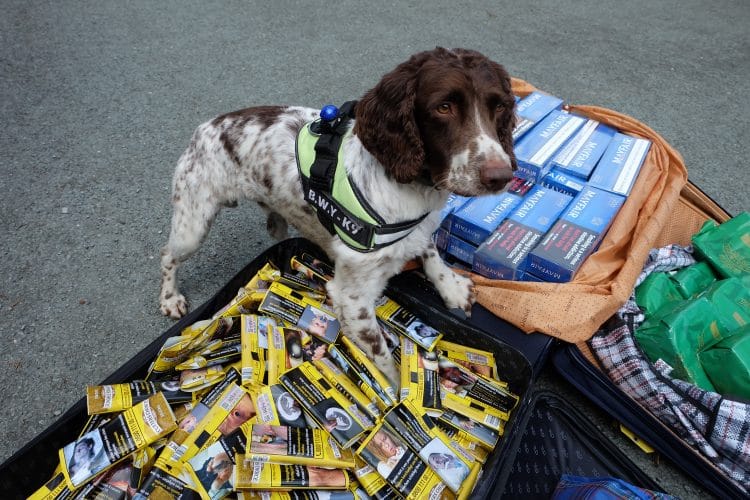
THE scale of the illegal tobacco market in Wales is set to be highlighted by BBC Wales in a special report tonight.

ASH Wales CEO Suzanne Cass will appear in the report, in which Trading Standards officers will call for the establishment of a government task force dedicating to tackling the problem.

Currently illegal tobacco makes up 15% of all tobacco sales in Wales, the highest level in the UK, with 45% of all smokers in Wales having been offered the chance to buy it. Since 2013 around 150,000 illegal tobacco products have been seized in Wales.

It is sold at pocket money prices, with a pack of 20 illegal cigarettes costing just £4, making it easily accessible to those who would not otherwise be able to afford it.

However, the impact of illegal tobacco market in Wales, goes beyond its effect on smoking prevalence.

The BBC Wales report will also focus on its links to other forms of serious organised crime and the way the growing illegal tobacco market in Wales is bringing those behind such crimes into our communities.

ASH Wales has played a major part in raising awareness of the impact of illegal tobacco in Wales and last year was commissioned by the Welsh Government’s Tobacco Control Strategic Board to design a programme to tackle the issue.

ASH Wales CEO, Suzanne Cass, said: “There is an urgent need to establish a dedicated government department to tackle the growing illegal tobacco trade in Wales. A co-ordinated approach is also needed between local authorities, the police and Welsh Government to stamp out what is becoming a wider problem.

“Illegal tobacco is easily available in our most deprived communities where smoking prevalence is highest and plays a big part in perpetuating the stark health inequalities that exist across Wales. Not only does illegal tobacco undermine all key tobacco control measures but it is also helps to fund other forms of organised criminal activity in Wales, threatening community cohesion and putting lives in danger.”

In 2014 ASH Wales led the first pan-Wales research project to assess the scale of the illicit tobacco market in Wales, among its findings, were the fact that 59% of those who purchase illegal tobacco buy it at least once a month and 52% of purchases take place at a private address, while 45% were in a pub or club.  Among those who buy illegal tobacco 70% said it allows them to smoke when they can’t afford it.

Other key findings:

  • 59% of those who purchase illegal tobacco buy it at least once a month
  • 70% of buyers of illegal tobacco strongly agree that it allows them to smoke when they can’t afford it
  • 45% see it as an important issue that affects the local community
  • 26% of those surveyed said they would be likely to report its sale

Is smoking vegan?

VEGANISM is on the rise with the number of people in the UK switching to a plant-based diet having quadrupled in the past four years.

While some make the switch for purely dietary reasons for many veganism is an ethical choice based on concerns about animal welfare and the impact of meat production on the environment.

There is plenty of information out there about cutting meat, dairy, fish and poultry products out of your diet and embracing a vegan lifestyle free from products derived from or tested on animals – from cosmetics to clothing.

But what about if you’re a smoker? Are cigarettes a vegan product?

The essential ingredients?

The basic measure of whether a product is vegan is whether it contains any ingredients derived from animals or their by-products.

When it comes to cigarettes, that question is difficult to answer because the ingredients used to make them are often unregulated and non-transparent such as any additives or processing aids used in the production process.

What we do know is that Castoreum, a chemical found in the glands of beavers has be used previously in the production of tobacco cigarettes to give them a sweet flavour.

Castoreum cannot be harvested from a living beaver – the only way to obtain the chemical is to kill the animal.

As tobacco companies can be notoriously secretive about the ingredients they use, we do not know for sure whether castoreum continues to be used.

Given this level of uncertainty, cigarettes could present an ethical dilemma for vegan smokers.

Blue planet?

Concerns over the environmental impact of meat production drive many to adopt a vegan lifestyle.  But what about the huge impact the tobacco industry has on the environment? In 2014 alone 32.4million tonnes of green tobacco leaf were cultivated on four million hectares of land across 125 countries, producing 6.48 million tonnes of dry tobacco which was manufactured in almost 500 factories worldwide.

Significant waste and emissions are produced at every stage of the supply chain and globally the tobacco industry generates around 84 million tonnes of C02 equivalent.  Tobacco growing involves the use of pesticides, fertilizers and growth regulators and the tobacco crops deplete soil nutrients taking up more nitrogen, phosphorus and potassium than other major crops.

Once the cigarettes have been produced they continue to wreak havoc on the environment. Cigarette litter is the number one most littered item in the world.  Cigarette butts contain plastic and take up to 12 years to biodegrade.  Many find their way into the sea and waterways and are swallowed by animals, leading to poisoning, malnutrition and death due to the tar and chemicals they contain.

10 reasons why smoking is bad for the planet

Smoking and animal testing?

Given that animal welfare is one of the major reasons to adopt a vegan lifestyle, vegans should be made aware that most tobacco products are or have been tested on animals.

To give one example, according to the animal rights organisation Peta, “RJ Reynolds and Philip Morris have conducted tests in recent years in which animals were forced to inhale cigarette smoke, eat tobacco and have cigarette tar smeared onto their bare skin”.

It is important to bear in mind that RJ Reynolds is the parent company of American Spirit which claims to produce vegan tobacco.

Maintaining a healthy weight when you give up smoking

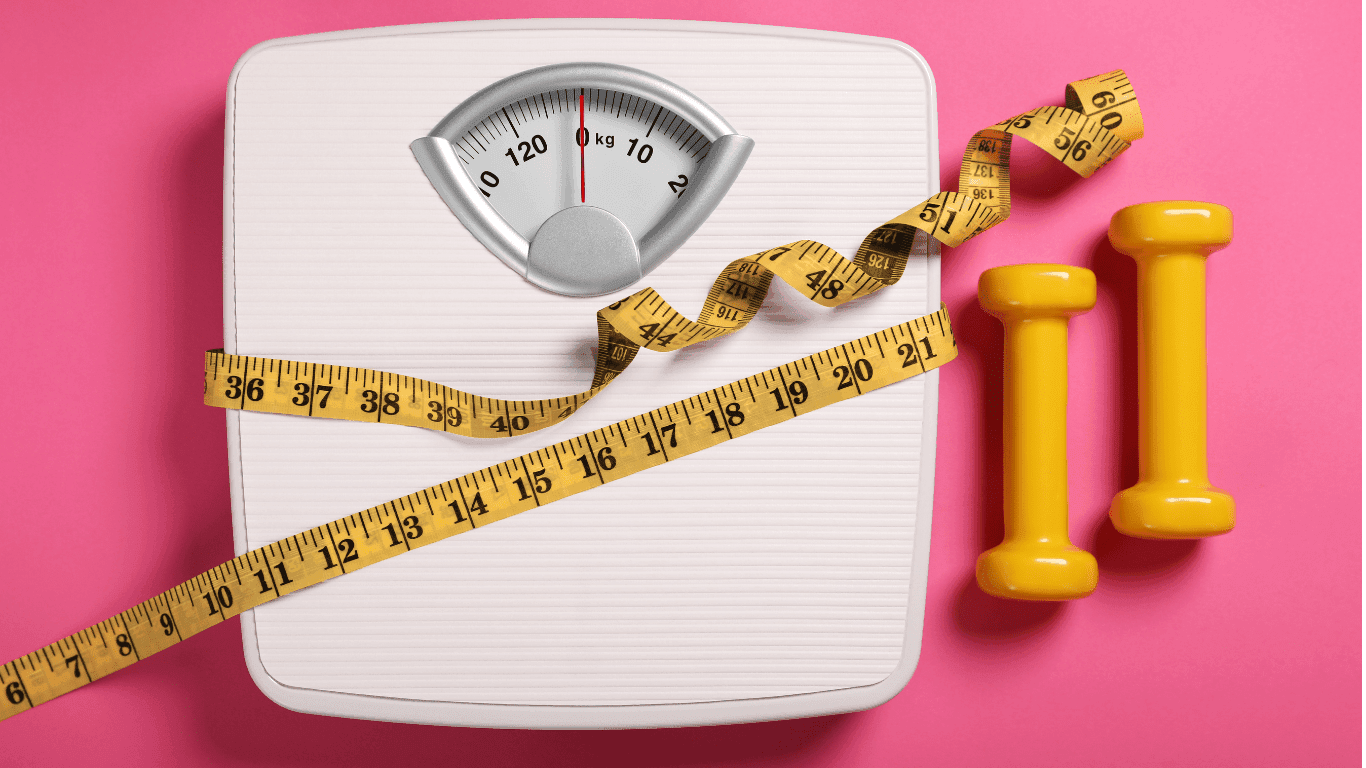
When you give up smoking, maintaining a healthy weight can prove challenging.

There are several reasons why quitting cigarettes often results in weight gain. For a start smoking suppresses your appetite and when you stop, it will return with a vengeance – along with your sense of taste.  Your craving for cigarettes can quickly become replaced with a craving for sugary foods.

There is a risk too that you will comfort eat to cope with nicotine withdrawal symptoms, reaching for a sugary or salty snack when you feel the cravings coming on.

Many people feel the need to replicate the hand to mouth action of smoking that they have become so accustomed to and find that eating is a good substitute.

A more scientific reason for weight gain after quitting smoking is that smoking speeds up your metabolism, so that your body burns calories at a faster rate.  Unless you consume fewer calories when you give up, this could lead to weight gain.

However, fears over weight gain are not a good reason to continue smoking -the multiple health risks associated with smoking far outweigh the risks of putting on weight. And there is plenty you can do to avoid replacing cigarettes with calories.

Here are some top tips on maintaining a healthy weight when you quit:

Exercise

After quitting smoking your body will burn calories more slowly. This means it’s important to speed up your metabolism by keeping active.

Taking regular exercise is said to prevent about half the weight gain expected after a year of quitting.  Ideally you should build up to around 2.5 hours a week of aerobic exercise such as swimming, fast walking or cycling.

You could join a local gym or find out what classes are available at your local leisure centre. Alternatively make simple changes to your lifestyle that will allow you to incorporate exercise into your daily routine, such as walking to work or to the shops instead of driving.

The more exercise you do, the more calories you will burn.  Exercise is also a great way to take your mind off the challenges of giving up smoking and will distract you from your cravings.

Eat wisely

To combat cravings for unhealthy snacks, keep a supply of healthy nibbles handy. Fresh fruit is ideal as are nuts and vegetable sticks.

When you stop smoking, try to eat smaller portions of food until your metabolism stabilises. It takes 20 minutes for you to feel full after eating so take a break after your main meal before moving onto snacks or desserts. You may feel that after a 30-minute breather, you no longer feel the need to consume anymore.

Keep mid-morning hunger at bay by filling up with a wholesome bowl of porridge for breakfast. Porridge is made from oats which release energy slowly because they increase blood sugar levels over a longer period of time.  This means you are less likely to feel hungry or want to eat unhealthy snacks which can help with weight control.

If you are struggling to eat healthily, ask your GP to refer you to a dietitian who can put together a specially tailored diet plan that will suit your needs.

Use NRT

Quitting smoking through will power alone is tough and can heighten your chances of resorting to comfort eating to cope with cravings. Nicotine Replacement Therapy can double your chances of quitting smoking successfully and will help you to cope with cigarette cravings. There is a wide variety of different products to choose from depending on your individual requirements, from patches you wear to gum or lozenges you take when you feel a craving coming on.

To find out the best product for you see your GP or pharmacist. If you are giving up smoking and would like to find out what support is available to help you quit, contact NHS Wales’ Help Me Quit service on 0800 085 2219 or visit www.helpmequit.wales.

How to make New Year’s resolutions you’ll stick to

It’s notoriously difficult to stick to New Year’s resolutions – a study by Bristol University found that 88% of those that make resolutions will fail to keep them. And for people quitting smoking and coping with cravings the challenge is even greater. So what’s the secret to staying on track? We asked psychologist Carly Sandercombe (pictured, left) of Psychology Wales, for her advice.

How can people set themselves realistic goals for their New Year’s resolutions that they are more likely to reach?

SMART goals are a great way to make realistic goals for a New Year’s resolution. These are goals that are; specific, measurable, achievable, realistic and timed. SMART goals are designed to provide structure and guidance to the goal setting process and help to better identify what you want to accomplish.

What are the main reasons why people find it difficult to stick to their New Year’s resolutions?

Most often people fail to stick to a New Year’s resolution as the resolution itself was not realistic which can make it extremely difficult to achieve. Also, by not having a proper plan in place individuals can find it hard to know how to make the changes that they want. Having a realistic plan in place can help people to stick to their New Year resolution.

If people feel tempted to cave in and give in temptation – i.e. have a cigarette when they’ve decided to give up smoking – what can they do to put themselves back on track?

Distraction is a helpful technique that people can use whereby they have something else that they can do to occupy themselves when they are tempted to cave in. This can be anything that they find enjoyable, for example a crossword puzzle, watching a favourite TV programme, or reading a chapter of a book they like. Also, it can help to look back at the reasons why they wanted to give up. There are also lots of APPS available such as the Smokefree health and fitness APP by the NHS which help to remind the person how far they have come and what they have achieved as well as the health rewards of giving up smoking.

If people do slip up how can they stop themselves from becoming despondent?

Slip ups are sometimes inevitable and are extremely common. However, they can be used as an opportunity to learn about what went wrong and how to prevent a similar setback from occurring in the future. For example, people can ask themselves the following questions; what triggers led up to this setback? What can I learn from this setback? What can I do differently in similar situations in the future?

Why is New Year a good time to set new goals for yourself?

Any time is a good time to set goals. However, people tend to set goals during this time as it is seen a new year and therefore a fresh start. I would encourage people that want to set goals to start them whatever the time of year as once they begin to make positive changes, for example stopping smoking, they will start to see and feel the positive results.

Smoking as an addiction is particularly challenging to give up – what would you say to motivate smokers who are struggling with the idea of life without cigarettes?

There are not only numerous health benefits associated with giving up smoking but also the financial benefits are huge! Put aside the money that you would have spent on cigarettes and spend it on a treat for yourself, reward yourself for all your good work!

And the benefits of quitting will continue into the next decade of your life and beyond…..

  • Within a year your risk of heart disease will be about half that of a person who is still smoking.
  • After ten years your risk of developing lung cancer drops to half that of a person still smoking.
  • Once 15 years have passed, your risk of a heart attack is the same as somebody who never smokes.

If you want to stop smoking Help Me Quit is run by NHS Wales and will help you to find the stop smoking service that best suits you. Contact them on 0800 085 2219 or visit www.helpmequit.wales.