





No Smoking Day: How to satisfy your cravings

Nicotine cravings can be hard, so preparing yourself to deal with them is the key to making your quit attempt successful.

The most popular way of dealing with cravings is with Nicotine Replacement Therapy or e-cigarettes. NRT is a way of replacing the nicotine that your body is craving without the thousands of dangerous chemicals that comes with smoking. E-cigarettes also do this by the user inhaling a nicotine-containing vapour.

If you think you might need something stronger to help you quit then there’s two types of stop smoking medication available on prescription if you’re over 18 – Champix and Zyban.

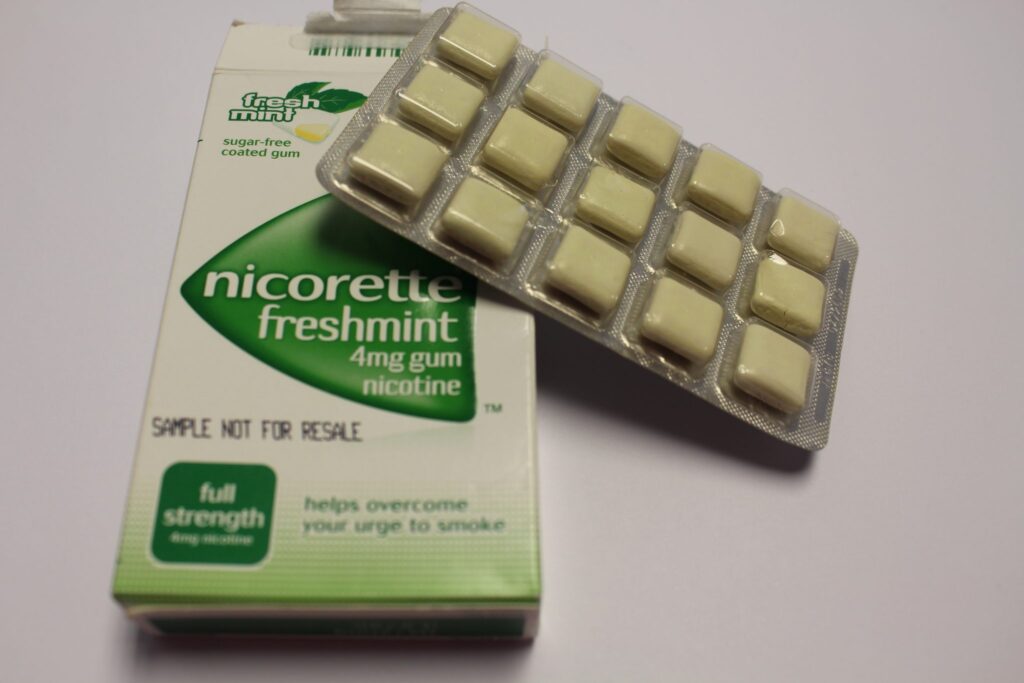
Gum

Not only does it provide a short burst of nicotine, but the chewing provides a distraction.
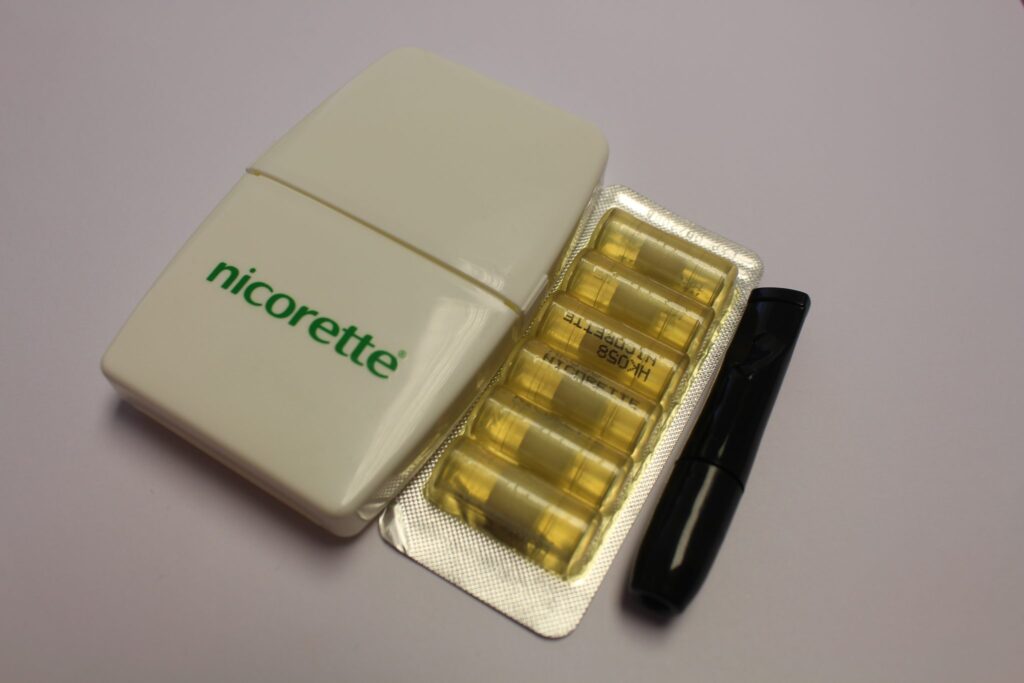
Inhalators

The method most similar to smoking a cigarette and it could be a good way to satisfy cravings while copying the ‘hand to mouth’ habit of smoking a cigarette.
Tobacco control campaign group ASH Wales Cymru have created a timeline looking at what happens to the body during the 24 hours of No Smoking Day.

  • 20 minutes: After just 20 minutes of that last cigarette the body begins to recover. Nicotine, the addictive bit of smoking, is a stimulant which gives the body that ‘hit’, but this only lasts for a matter of minutes. Not long after the last puff of smoke, heart rate and blood pressure return to normal following this high.
  • 8 hours: This is the testing time when most quitters reach for another cigarette. The effects of withdrawal are strong as nicotine leaves the bloodstream and cravings start to increase. A top tip is to find something to keep the mind and hands distracted – fiddle with a pen and pick up a crossword!
  • 12 hours: Oxygen levels return to normal as poisonous smoke leaves the blood and body. It is this smoke which is the killer part of smoking, causing 1 in 2 long-term smokers to die from the addictive habit.
  • 24 hours: Anxiety and ‘stress’ levels peak. The feeling of stress associated with quitting smoking isn’t really stress – it’s a sign of withdrawal. It’s untrue that smoking de-stresses – it just feeds a craving. In fact, research shows non- and ex-smokers feel less stressed than smokers.

Quitting smoking has enormous long-term benefits too as making it 10 years smokefree will see an ex-smoker’s risk of lung cancer, one of the most likely harms to a smoker’s life, become half that of a smoker. It’s great news for the heart as well; after 10 years smokefree the chance of a heart attack becomes the same as a non-smoker.

ASH Wales’ Chief Executive, Suzanne Cass, said: “No Smoking Day is a fantastic opportunity for smokers to give quitting a try and hopefully spur them on to say goodbye to tobacco for good. With thousands of others taking part of the day, would-be quitters can be reassured they’re not alone and there’s lots of great support out there, like with Help Me Quit, to keep them motivated throughout the day.

“Over 5,000 people die every single year in Wales from preventable illnesses caused by smoking. Every event like No Smoking Day or Stoptober which helps tackle this shocking statistic are crucially important and must be supported across Wales.”

The NHS offers a free stop smoking service in Wales called Help Me Quit. Smokers are four times more likely to stay smokefree with support than if they go it alone. To get free, local, and tailored advice visit www.helpmequit.wales, text ‘HMQ’ to 80818 or phone 08000 852 219.

Smoking from 1920s to the 21st century

If you’ve seen the films the Great Gatsby, Breakfast at Tiffany’s or even Grease, you’ll notice that they all have iconic images of smoking which are portrayed as seductive, trendy or fashionable.

Compare this old history of smoking to the films of today with the likes of Bridget Jones and we can see how over the years our perception of smoking cigarettes has transformed from glamour chic to tragic spinster.

It’s not just films that have portrayed the change in the opinion of smoking. Everywhere we look we are now faced with new facts and statistics that tell us that smoking causes bad teeth, bad skin, bad hair, bad breath, impotency not to mention what it’s doing to your internal organs. The history of smoking does not seem so seductive anymore!

So why is it that the opinion of smoking has changed so drastically over the years?

The facts are that back when no one actually knew the facts, smoking was just a harmless and social thing to do.

Over the years however, with research revealing more and more information on the major health risks, our opinion of smoking has gone from being just ‘harmless’ to being a very harmful killer.

WHAT ARE THE PEOPLE SAYING?

But forget the facts for a second, what are the people saying? What do you overhear people saying everyday? Stop – listen – think.

In eighty years smoking has gone from seductive and chic to a known killer – and with two thirds of current smokers saying that they would like to quit, it’s still on the decline!

By Eloise, intern

Help your friend to quit smoking

DOES YOUR FRIEND WANT TO QUIT SMOKING? DO YOU WANT TO HELP AND SUPPORT THEM?

1. Keep It Positive

If your friend has decided to quit smoking, that’s a big deal but it might be scary for them. If you want to help a friend to quit smoking, you should stay positive. When you’re chatting, this isn’t the time to mention lung cancer and wrinkles. Instead, be encouraging.

Don’t say: “You better quit or you’ll get cancer.”

Do say: “Yeah! You can do it!

2. Get Knowledgeable

There are loads of benefits to quitting smoking, like within just a few hours of that last cigarette, their blood pressure returns to normal. After a few days, the last of the addictive nicotine and nasty carbon monoxide will have left their body. A few months after quitting, your mate’s lung function will return to normal and they’ll find things like sport and exercise easier. You can find out more about the timeline of quitting here.

Don’t say: “Your breath still stinks, mind.”

Do say: “Think how great you’re going to feel when you’re done with quitting!

3. Remember Their Reasons

Everyone has a different reason for wanting to quit. It could be that your mate wants to save some money, they may know someone who’s got sick or died from smoking or they may want to feel healthier. If you know their reason, you can help a friend to quit by remembering them when they’re finding it difficult. There are loads of great ways to remind your mate without droning on, like making them a card with their list of reasons on, or sending them some motivational pictures on WhatsApp.

Don’t say: “What’s the point of quitting anyway?”

Do say: “You can do this – you’ve saved like £300 already, that’s awesome!”

4. Distract Them

One of the hardest things about quitting smoking is getting through those cigarette cravings. Your mate might be feeling stressed, fidgety or restless. This is because nicotine changes the chemicals in a smoker’s brain and makes them want more nicotine. The best way to get through the cravings is to do something else, so you can really help your friend by distracting them with another activity or even just a chat.

Don’t say: “Oh shut up and get over it.”

Do say: “Let’s go do something fun!”

5. Celebrate

Even a few weeks or months after they quit, your friend could still be getting cravings, or still miss smoking sometimes. As well as keeping positive about the benefits of quitting, it’s really important to celebrate and congratulate your mate on their achievement – quitting smoking.

Don’t say: “It’s been three months, no-one cares anymore.”

Do say: “Wow, you’ve been quit three months! You’re doing so great!

6. GET ADVICE AND SUPPORT

Your friend will be grateful for all your help, but if they want to talk to someone else, or if you have any questions about smoking or about how to help a friend to quit smoking, leave us a message on our Facebook or Instagram. Your friend can also get free stop smoking support with Help Me Quit

Howard’s Journey to Quitting Smoking

“I smoked from about 17 until I was 35 and was on 20 a day at the end. I had tried a number of times to quit, succeeding from a few days to 6 months at one stage. As a nurse, I knew all the risks, I gave stop-smoking advice, but retained the habit. I even undertake breathing surveillance for workers in industry and seeing my ‘lung age’ reach 54, when I was only 34, was still not a good enough trigger.

“I started noticing pins and needles in my fingers when smoking more heavily and was aware of the peripheral neuropathy that can result from small vessel damage – this was my cue, so I went cold-turkey

If I could only give one piece of advice it would be this – everyone I talk to who re-starts smoking, has a good excuse. The kids were stressing me… the dog died… I was going through a divorce, tough time in work, lost my job… etc. etc.”

“Whenever I was craving, I’d find myself looking for an excuse; something to blame. My mum was very poorly at one point and I thought this was it – a reason to re-start, but thankfully I relented. There are no excuses that warrant re-starting, it’s just another way of kidding yourself.”

My Experience as an EVS Volunteer with ASH Wales

Hi, my name is Oliver, and I’ve been living in Cardiff for just over two months now. I moved here from Austria to take part in an EVS (European Voluntary Service) project, and I’m currently working with a fantastic charity called ASH Wales.

One of my main responsibilities at ASH Wales is supporting their youth project, The Filter. This was actually one of the major reasons I applied for this placement – the opportunity to work closely with young people and contribute to a cause that’s making a real difference.

I’m lucky to live close to my workplace, in shared accommodation with six other young people from different countries. Interestingly, I’m the only guy in the house, living with six girls! It’s been a unique experience, and we’ve built a great bond, even though we’ve only known each other for two months. It’s fascinating to learn how people from other cultures approach everyday life. For example, I’ve discovered that in Spain, it’s common to use scissors to cut food like bacon or pizza – and then just pop them in the dishwasher. It might sound unusual, but I’ve tried it myself, and it’s surprisingly handy!

Most of my time here is spent either with my housemates or my colleagues at work. Before coming to Cardiff, my sending organisation in Austria warned me that I might experience culture shock. However, I haven’t felt anything like that so far. Life in Wales feels quite similar to life in Austria, with a few small differences. For instance, I’ve noticed how incredibly polite people are here – they say “thank you” for almost everything, even in situations where we Austrians might not think to say it.

One cultural experience I won’t forget is the Rugby World Cup. I had no clue about the rules of rugby before coming here, but the passion of the Welsh fans is contagious. Watching a match at the fan zone was an unforgettable experience – the energy and excitement were incredible, especially when Wales was playing.

In my free time, I’ve also started playing football at a nearby sports centre with one of my colleagues. I try to play once a week, although sometimes work and other commitments get in the way.

Volunteering with ASH Wales has been an amazing opportunity to learn, grow, and immerse myself in a new culture. If you’re thinking about taking on an EVS placement or volunteering abroad, I can’t recommend it enough. It’s been a rewarding journey, both professionally and personally, and I’m excited to see what the rest of my time here will bring.

Shardine’s Journey to Quitting Smoking

“I started smoking when I was 11, because my grandfather passed away. I’m still currently smoking, but I’ve gone onto the e-cig and joined the commit to quit challenge to cut down.

I’ve just found out I’m pregnant which made me want to quit for the baby’s health. But more so because of the girls, my two I’ve got already. They mean everything and I don’t want them brought up around smoking. Otherwise they’ll pick up the bad habit and I don’t want that because of their health.

I also want to save money to take the girls on holiday, just do more things with them, go on day trips.” (Shardine has saved over £25 since joining the Commit to Quit challenge – after three weeks of cutting back).

I don’t actually crave a cigarette and I don’t crave the nicotine. I just do it because it helps. If I wanted, I could go without a cigarette all day. But because of my stress levels, depression and suffering with post natal it just triggers.