



ASH Wales has welcomed the news that in a survey by Asthma UK & British Lung Foundation Wales, more than half of respondents said they had tried to quit smoking since the start of the Covid-19 pandemic.
The charity surveyed 344 adults living in Wales, all of whom have an existing lung condition. The majority, 52%, said they had tried to quit smoking since the start of the pandemic – with 13% said they have successfully quit.
ASH Wales and Asthma UK & British Lung Foundation Wales have campaigned to raise awareness of the increased risk faced by smokers from the Covid-19 pandemic – particularly those with lung conditions.
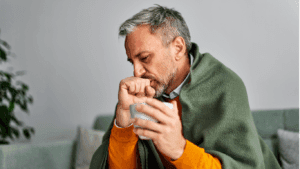
According to medical experts, Smokers are more at risk from Covid-19 because they have weakened lung defences as a result of smoking, which damages the cells protecting their nose, upper and lower airways. Many also have existing lung and heart conditions due to smoking, and those also increase their risk from the virus.
Covid-19 has led to the biggest surge in smokers quitting in Wales since the 2007 smoking ban – with 33,000 Welsh smokers having given up since the pandemic hit according to analysis by ASH and University College London.
Suzanne Cass, CEO of ASH Wales, said: “We welcome the news that so many people with existing lung conditions have attempted to quit smoking since the start of the pandemic.
“The risks posed by Covid-19 have proven a wake-up call for many smokers, prompting hundreds to finally quit the habit. It is vitally important to tackle the stubbornly high smoking prevalence in Wales and we are calling for more targeted stop smoking services to help reach those that need it most.”
According to the research by Asthma UK & British Lung Foundation Wales , 22% of those who tried to quit sought NHS support, with the majority, 48% trying to quit on their own.
Research has shown that those who quit using a combination of stop smoking medication and behavioural support are three times more likely to give up for good.
Ms Cass added: “We know that quitting smoking using will power alone is very challenging and often results in smokers falling off the wagon.
“It’s really important for smokers to know that there is free support available to them that will make the process so much easier.”
Joseph Carter, Head of Asthma UK & British Lung Foundation Wales, said:
“It’s great to see that more and more smokers are becoming aware of the negative effects it has on their health and are trying to quit.
“Those trying to quit will find a variety of help and support available to aid them on their journey. For example, NHS Wales’ fantastic Help Me Quit service – which provides tailored support and advice.
“There has never been a better time to quit smoking and doing so will help keep you and your loved ones safe. Please do give it a go and seek out support if you need it.”


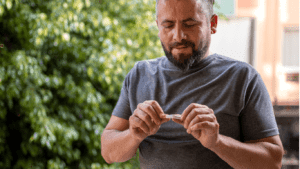
 Barry, from Swansea, planned to stop smoking once he retired earlier this year. What he didn’t anticipate was having to quit as the country saw itself transition into lockdown. Thankfully with support from NHS Wales


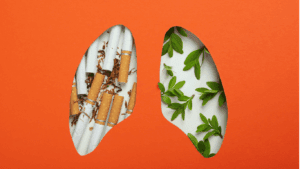
 Smoking causes around 7 in 10 of all lung cancer cases in the UK. Around 9 out of 10 people who get lung cancer are smokers or ex-smokers. The younger a person starts smoking the higher the risk of lung cancer is. If you stop smoking, then after 12 years your risk of lung cancer is about 70% lower than that of smokers. After 15 years it is almost same as a non-smoker.
 People who smoke are at far greater risk of developing respiratory infections. This is because smoking damages cilia, the tiny hairs that line the airways helping to sweep out mucus and dirt and allowing the lungs to stay clear.
 Smokers are more at risk of suffering severe symptoms if they catch Covid-19 because smoking destroys the cells that line the nose and the upper and lower airways. Once these cells have been damaged the body’s natural lung defences are less able to fight off respiratory infections.
 Within two days of stopping smoking, your lungs will start to clear our mucus and other smoking debris. The carbon monoxide in your blood will reduce by more than half and your oxygen levels will return to normal. Within three to 9 months, your lung function will increase by 10% and coughs, wheezing and breathing problems will improve.