
Two new ASH Wales/YouGov reports provide fresh evidence on tobacco and vape regulation and smoking-related inequalities in social housing in Wales.
New 2025 SHRN data shows regular vaping and smoking have fallen among secondary school learners in Wales. We look at the latest figures, what they mean and why prevention work still matters.
What does peer pressure look like? Sometimes it is obvious. Sometimes it looks more like a joke, a …
A year ago, disposable vapes had become hard to miss. They were in shop displays, coat pockets, school …
Wales’s leading tobacco control charity is today calling on all parties contesting the Senedd election to set out …
This No Smoking Day 2026, we are encouraging the estimated 260,000 people in Wales who smoke to consider …
For young people / Pressure, friends & fitting in
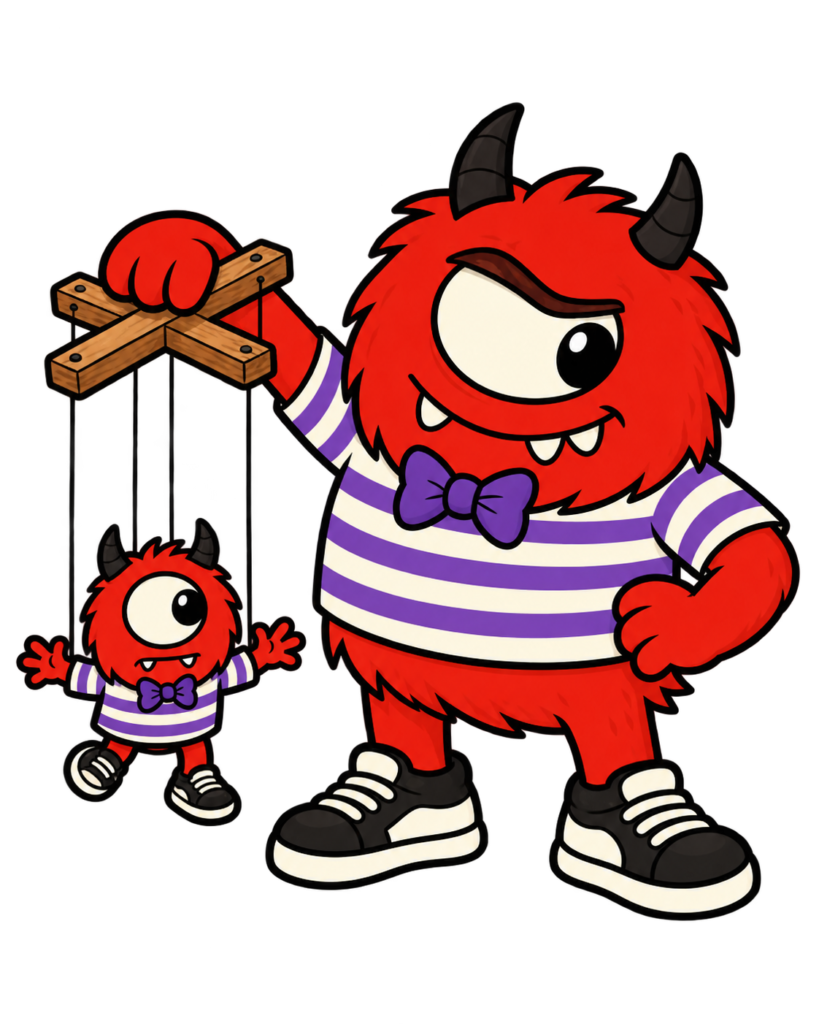
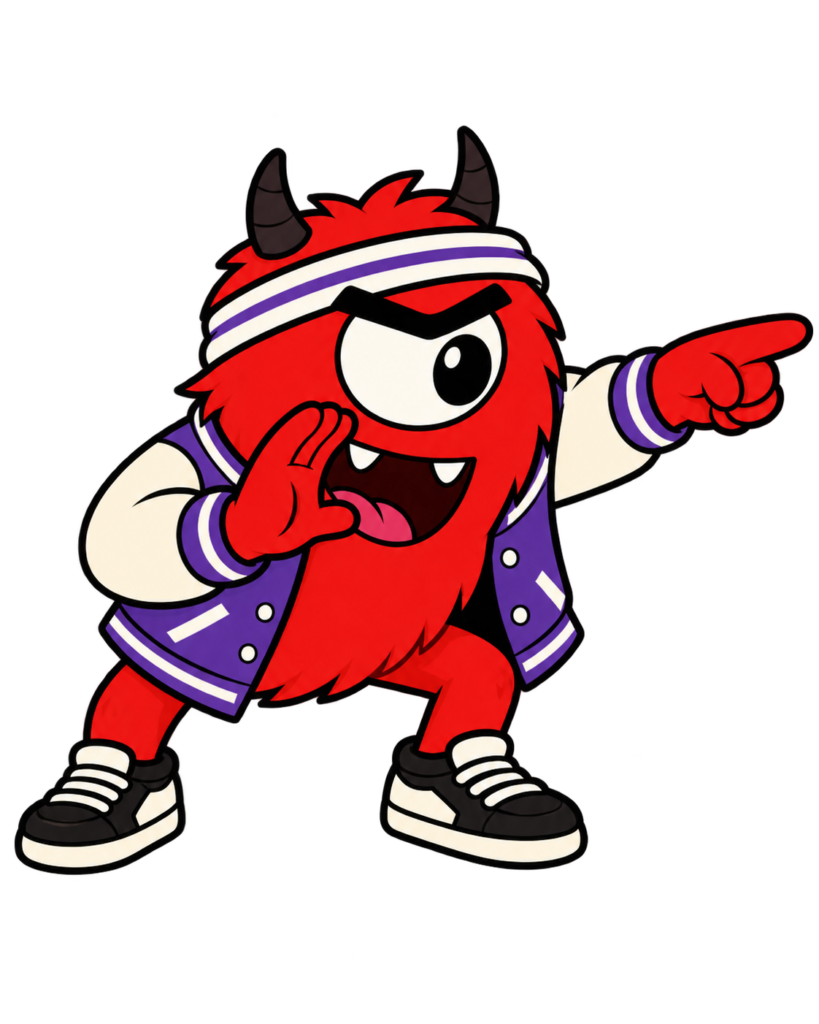
Pressure is not always someone telling you to smoke or vape. It can be a joke, a quick comment, wanting to fit in, seeing everyone around you doing something, or feeling like saying no would make things awkward.
Last reviewed: 27th September 2026
IN SHORT
A short answer, changing the subject, staying close to someone you trust or simply walking away can all be enough. What works depends on the situation and on you.
Some pressure is direct. A lot of it is quieter. It can come from people, places, products, feelings and online spaces.
Someone offers you a vape, cigarette or nicotine product, makes a joke, keeps asking or acts like saying no is strange.
You may want to feel part of a group, avoid standing out or worry that refusing will change how people see you.
If people around you smoke or vape, or it keeps appearing online, it can start to feel more common than it really is.
Nicotine can get linked with taking a break, calming down, passing time or coping with a difficult day.
Trying something once can feel different from deciding to become a regular user. Nicotine can still become hard to stop.
Flavours, colours, packaging, price offers and social content can all shape how interesting or harmless a product seems.
In the 2025 School Health Research Network survey, 1.8% of learners in Years 7 to 11 reported smoking at least weekly and 5.2% reported vaping at least weekly. Use was higher in older year groups, but across Years 7 to 11 most learners were not smoking or vaping weekly.
That matters. If the people around you vape, your group can make it feel like “everyone” does it. Population data can tell a different story.
You do not need a perfect comeback. Short and boring often works better than turning it into a debate.
“No thanks.”
“I’m good.”
“Not for me.”
Answer once, then change the subject or focus on what you were doing before.
You can mention sport, money, not wanting nicotine, hating the smell or simply not wanting to. Your reason does not need anyone else’s approval.
If someone keeps pushing after you have said no, moving away is a reasonable response. You do not have to stay and argue.
It can be easier to hold a boundary when one other person already knows where you stand.
People can be your friends and still put you under pressure sometimes. You can care about someone without copying what they do.
If a friend already smokes or vapes, this page is not about judging them. Nicotine dependence can make stopping difficult. If they want help, you can support them without taking responsibility for quitting for them.
“You do your thing. I’m not having one.”
If they keep pushing after that, the problem is not that your answer was unclear.
You have not “failed” prevention. If nicotine has become part of your routine, you can still ask questions, cut down, stop or get support. Cravings, irritability, restlessness and finding it hard to concentrate can be signs of nicotine withdrawal rather than proof that you need nicotine forever.
NICE recommends prevention that builds decision-making skills and gives young people strategies for resisting pressure from peers, family, media and the tobacco industry. It also recommends giving young people space to challenge peer and family norms around smoking.
That fits the way Nicofiends approaches prevention: pressure can come from people, products, places, feelings and online content. The point is to help young people recognise it and make their own choices.
Try not to start from the assumption that “everyone is doing it”. Ask what pressures young people actually notice, what makes saying no awkward and what would make it easier. Keep discussions general rather than asking young people to disclose who uses products, where they buy them or who sells them.