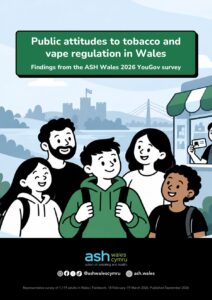

Two new ASH Wales/YouGov reports provide fresh evidence on tobacco and vape regulation and smoking-related inequalities in social housing in Wales.
New 2025 SHRN data shows regular vaping and smoking have fallen among secondary school learners in Wales. We look at the latest figures, what they mean and why prevention work still matters.
What does peer pressure look like? Sometimes it is obvious. Sometimes it looks more like a joke, a …
A year ago, disposable vapes had become hard to miss. They were in shop displays, coat pockets, school …
Wales’s leading tobacco control charity is today calling on all parties contesting the Senedd election to set out …
This No Smoking Day 2026, we are encouraging the estimated 260,000 people in Wales who smoke to consider …
For young people / Social media & influencers
Your feed can make nicotine look more normal, more popular or less risky than it really is. This page is about spotting what is shaping that feeling – and giving yourself a bit more control over what you see.
Last reviewed: 27th September 2026
IN SHORT
A paid creator post, a brand account, a friend’s video and a celebrity photo are different kinds of content. Do not assume someone has been paid unless there is evidence of a commercial relationship.
The useful question is not simply “is this an advert?”. Start by working out what kind of content you are looking at.
A company pays for an advert, placement or creator post. Promo codes, affiliate links, gifted products or #ad disclosures can be clues to a commercial relationship.
Posts made by a vape, nicotine or tobacco brand or retailer are commercial content, even when they use the style of an ordinary social post.
A creator may be paid, gifted a product or have another commercial link – but not every creator post is advertising. Look for evidence rather than guessing.
A friend showing a vape or pouch is not automatically an advert. It can still affect what feels common or socially accepted.
A celebrity photo, music video, film or fashion image is not automatically promotion. Commercial intent and editorial context matter.
Colours, flavours, packaging, device design, discounts and giveaways can make a product more noticeable or appealing without looking like a traditional advert.
You do not need to investigate anyone. These are simply useful questions for reading what appears in your feed.
A brand, retailer, creator, friend, news outlet or entertainment account?
Look for sponsorship, gifted products, promo codes, affiliate links or advertising labels.
Is the focus on flavour, appearance, lifestyle, popularity, stress relief or belonging?
Does the post leave out nicotine, dependence, age restrictions, health information or the fact that a relationship is commercial?
Platforms can recommend similar content after you watch, search, follow or interact. Repetition can make something feel more common than it is.
You can mute or unfollow accounts, use “not interested” or reporting tools, and avoid repeatedly watching content you do not want more of. If you already smoke or vape and want support, you can get help without judgement.
This page is written for young people. For the evidence, advertising rules, digital influence, packaging, algorithms and discussion guidance, use our adult and professional information pages.